Modi says India defies global trend with new refining capacity
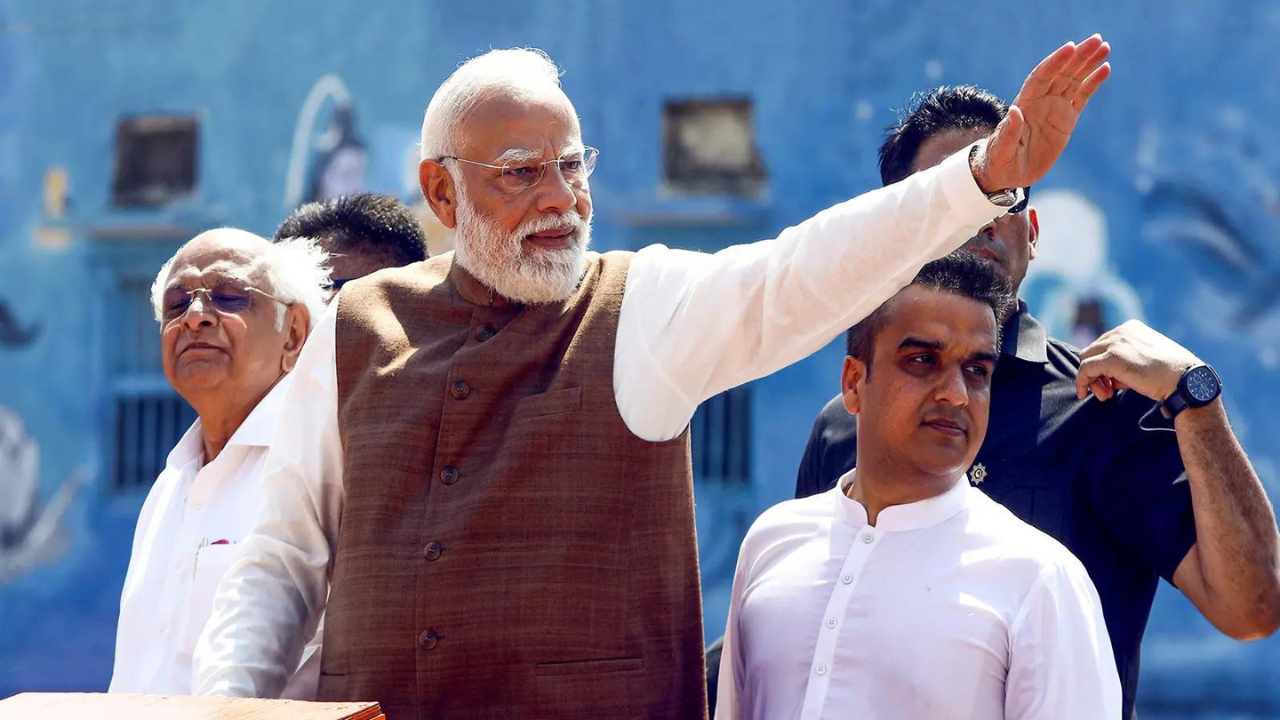
Prime Minister Narendra Modi on Thursday stated that India is adding refining capacity even as many countries scale back their fossil fuel infrastructure, calling it a testament to the nation's growing energy demands and strategic planning.
Speaking at the India Energy Week in Goa, Modi highlighted that India's refining capacity is expected to rise from the current 250 million tonnes per annum to 450 million tonnes by 2030. This expansion comes as several developed nations reduce refining operations to align with net-zero emission targets.
“India is bucking the global trend by adding refining capacity. This is not just about meeting our own needs but also about serving the global energy market,” the Prime Minister said.
The government’s push to increase refining capacity is part of a broader strategy to ensure energy security while transitioning toward cleaner fuels. India, the world's third-largest oil consumer, imports about 85% of its crude oil. Expanding domestic refining helps reduce import dependency on finished petroleum products.
Experts note that India’s refining expansion aligns with its growing middle class and rising vehicle ownership, which drive demand for petrol and diesel. However, environmental groups have raised concerns about the long-term viability of such investments given the global shift toward renewable energy and electric vehicles.
India has also set a target of 500 GW of non-fossil fuel capacity by 2030 and aims to achieve net-zero emissions by 2070. The addition of refining capacity will be required to coexist with these renewable goals, balancing economic growth with environmental commitments.
The International Energy Agency (IEA) has forecast that global refining capacity may peak around 2028 as demand for oil products declines in advanced economies. India’s continued investment in refining, the IEA notes, could position it as a key supplier to markets in Asia and Africa.







