Microdramas Gaining Ground in India as Gen Z Embraces Minute-Long Episodes
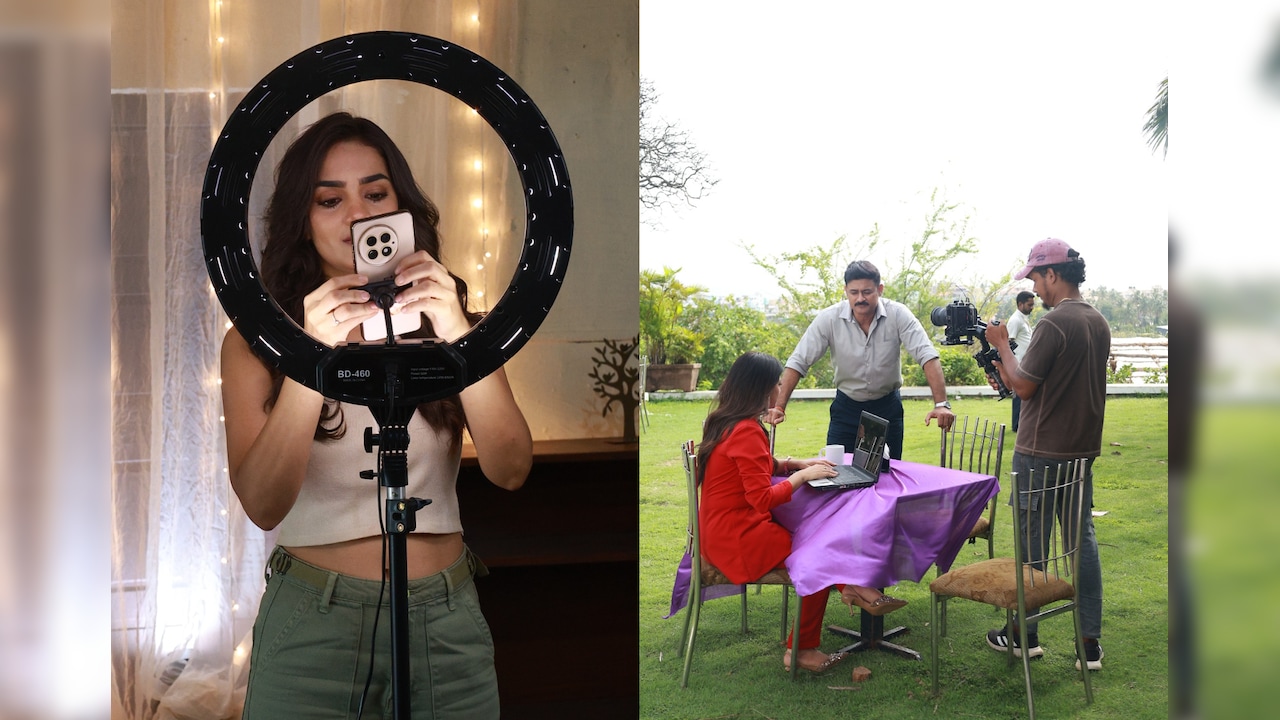
For decades, Indian entertainment has revolved around long-form storytelling. Daily soaps stretched over years, films ran for hours, and OTT series unfolded across multiple seasons. That pattern is now shifting, as a new generation of viewers turns to microdramas — short episodic shows with episodes lasting just one to two minutes, sometimes even less.
Industry executives say India is at the early stage of a microdrama boom, driven largely by younger audiences accustomed to short-form content on platforms like Instagram Reels. These viewers are watching stories on their phones, often in brief windows between tasks, and returning repeatedly for the next episode.
In an interview with NDTV, GSN Aditya, Chief Operating Officer of Story TV, which operates under the Eloelo Group, said India is witnessing a rise in microdrama consumption. “This is not simply another short-video trend. It represents a change in how people consume fiction,” he said.
Aditya noted that the fundamental elements of storytelling remain unchanged. “There is still a hero, a villain, a relationship, a conflict and a cliffhanger. What has changed is the screen. And the time available to capture the viewer's attention,” he explained. Microdramas take the familiar formula of television serials and package it for a mobile-first audience, creating a format that feels both new and familiar.
The trend is not unique to India. China has built a microdrama market estimated at around $10 billion, and several Southeast Asian countries are producing similar content. However, Aditya cautioned against using China as a direct benchmark. “China has had almost a decade to build its microdrama ecosystem. It already has a mature short-video economy, established payment infrastructure and a production pipeline designed around the format,” he said. “India is still at the beginning.”
India has advantages of its own, including hundreds of millions of smartphone users and deeply embedded digital payment systems. Aditya also pointed to the country's long history of serialised storytelling. “Indian audiences have grown up on daily soaps, drama and cliffhangers,” he noted.
The biggest shift, according to Aditya, may not be in storytelling technique but in the audience's relationship with time. A two-hour film requires a substantial commitment, and even a 45-minute television episode asks viewers to sit down and watch. A 60-second episode, by contrast, can be consumed while travelling, waiting for a cab, or between tasks. If the story is compelling, one episode quickly becomes five, then ten.
Aditya said people are spending upwards of 95 minutes a day on Story TV, which he believes challenges the notion that younger audiences have lost interest in stories. “A 2-hour film may require a significant time commitment. A 60-second episode gives you an easy entry point and lets the story earn your attention,” he said.
This dynamic has led to microdramas being described as the “fast food of entertainment.” Just as fast food removes the waiting time of a traditional meal, microdramas remove much of the time commitment associated with traditional entertainment. The story arrives instantly, and the next episode is usually just a swipe away.
For Gen Z, the phone is the primary screen. Entertainment is no longer confined to television sets or cinema halls. The first few seconds of an episode are critical, and the story must quickly establish tension. There is little room for long introductions, while cliffhangers become key to keeping viewers engaged.
As India's microdrama ecosystem develops, it remains to be seen how this format will evolve. What is clear is that a growing segment of the audience is embracing shorter stories, and the entertainment industry is beginning to respond.