How a Modest Chinese Animated Film Became a Box-Office Hit Through Memes
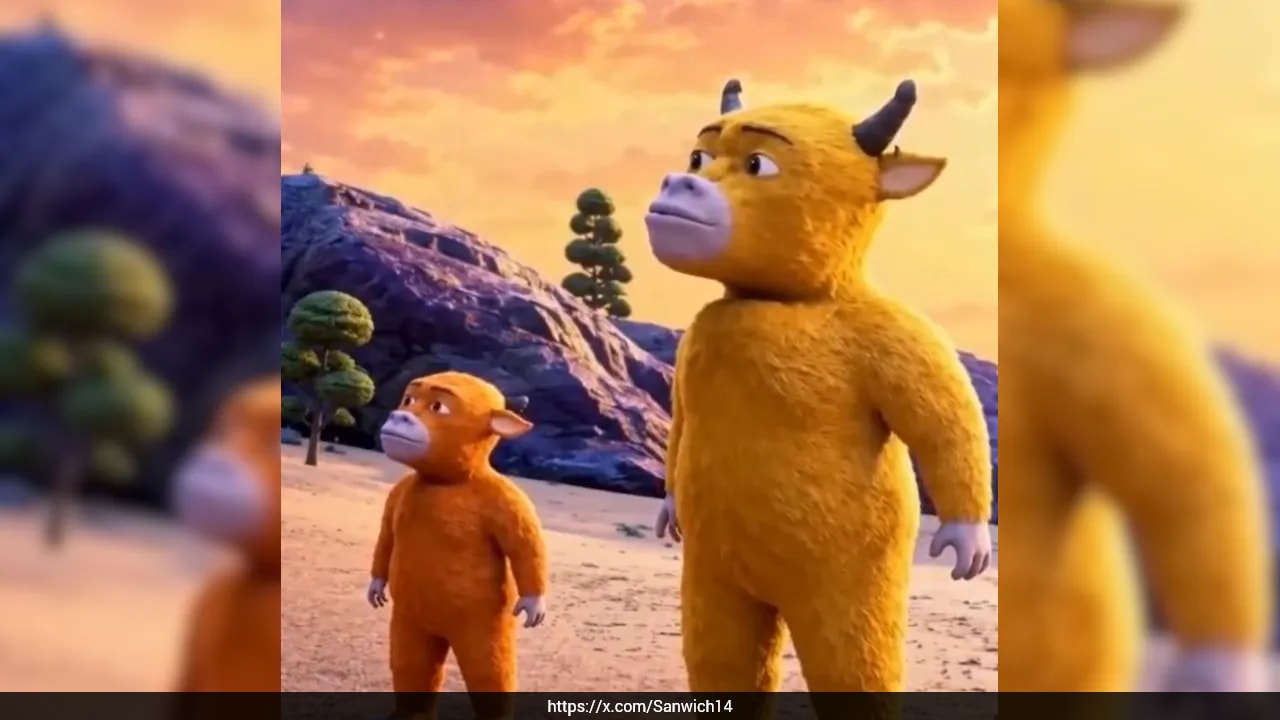
A low-budget Chinese animated film, 'Niu Lai' (The Arrival of the Ox), has turned into an unexpected box-office success after clips posted on social media drew audiences to theatres. The film, released in China on 5 August, follows a young calf on a dreamlike journey to become a warrior.
According to the South China Morning Post, the film initially appeared headed for failure. Its animation was widely criticised online, with viewers pointing out simple visuals: snakes that resembled springs, grass shown as yellow blocks labelled 'grass', and leaves appearing as plain balls.
In its first ten days, 'Niu Lai' earned just over 7,000 yuan (about US$1,000). However, audience members began recording clips inside cinemas and sharing them on Chinese social media. The unusual images and confusing story spread quickly, encouraging more people to see the film for themselves.
By 18 August, the film had taken more than 21 million yuan (about US$2.9 million), according to the South China Morning Post. Chinese ticketing platform Maoyan Professional was then forecasting a final box office of 135 million yuan.
The film's rise has raised questions about why people are going to see it. Some audiences reportedly treat screenings almost like comedy shows, laughing and talking during the film. For others, watching it has become a shared social experience and an easy topic of conversation.
The film was made over five years by director Xin Yumeng and his mother, screenwriter Sun Lifang. Xin has said the film was intended as a family story about overcoming difficulties and valuing family relationships. Limited money and equipment affected what the filmmakers were able to create.
Communications specialist Ivy Yang, quoted by the South China Morning Post, said the film's popularity may partly reflect a growing reaction against computer-generated 'AI slop'. She said audiences can appreciate work that looks handmade, simple or even absurd.
The film's success has also highlighted the power of online culture. Videos that might normally be seen as copyright problems have helped create interest in a film that otherwise could have disappeared from cinemas.
However, experts have warned against treating 'Niu Lai' as a formula that other filmmakers can easily copy. Its success appears to be linked to a particular moment in Chinese internet culture, where audiences have turned an apparently simple film into an unusual social event.
The film has also divided viewers. Some people believe buying tickets rewards poor-quality filmmaking, while others see its popularity as evidence that audiences are free to decide what deserves their money.
For now, 'Niu Lai' has shown that a film does not always need polished animation or conventional appeal to attract a large audience. In the age of memes, the conversation around a film can sometimes become as important as the film itself.