Meta apologises for restricting PM Modi's video, admits to content lapses
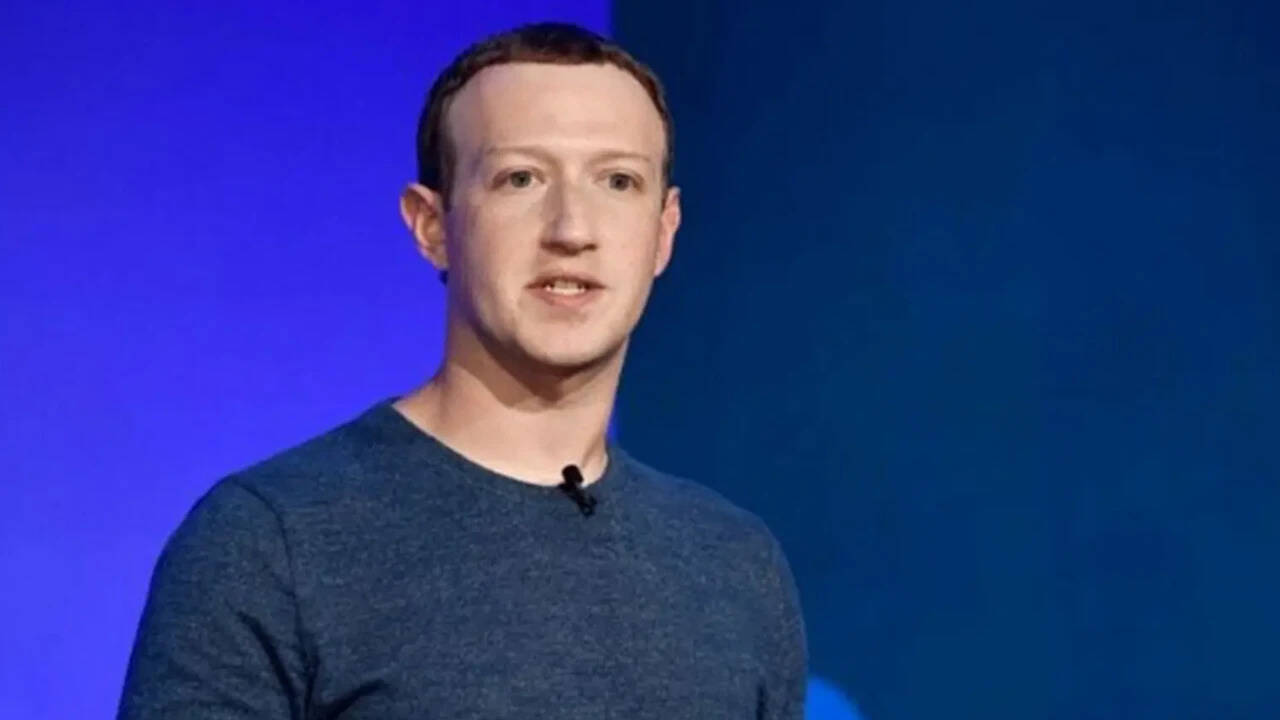
NEW DELHI: Meta CEO Mark Zuckerberg has apologised to the Indian government for the company's error in restricting a video post by Prime Minister Narendra Modi, and for lapses related to child sexual abuse material (CSAM), deepfakes and other harmful content, officials said on Thursday.
The apology was conveyed to Union Minister for Electronics and Information Technology Ashwini Vaishnaw by Meta's chief global affairs officer Joel Kaplan. "I apologised to the minister on behalf of Meta for the error restricting PM Modi's post," Kaplan said in a statement. Officials said Zuckerberg's apology was communicated through Kaplan.
The development came hours after a parliamentary standing committee, chaired by BJP MP Nishikant Dubey, gave Zuckerberg a three-day ultimatum to either apologise for the takedown of Modi's video or lose the 'safe harbour' protection that shields social media platforms from liability for user-generated content.
During discussions with the government, Meta acknowledged that significant sums had been paid to boost certain categories of content. Officials said the company accepted that paid promotion had resulted in illegal content being amplified for specific audiences. Meta expressed regret over the lapses and admitted mistakes in the way its platform had been operating.
Meta attributed the takedown of Modi's video, in which he addressed student protesters, to technical glitches. The company assured authorities that corrective steps would be taken, officials added.
The meeting took place against the backdrop of widespread indignation within the BJP and government circles over allegations that Facebook facilitated algorithmic manipulation to stoke discontent over paper leaks and promote content, including derogatory reels targeting the PM.
The government also conveyed to Meta that it could not automatically claim protection available to intermediaries under Indian law if it actively selected who received content through algorithmic amplification or paid promotion. Officials said Meta was told that such conduct could place it outside the definition of an intermediary, rendering it vulnerable to action by authorities and lawsuits by individuals.
The safe harbour provision, under Section 79 of the Information Technology Act, protects intermediaries from liability for third-party content, provided they observe due diligence requirements. The government has been tightening norms for digital platforms in recent years, including through the Information Technology (Intermediary Guidelines and Digital Media Ethics Code) Rules, 2021.
Additionally, the government sought details of safeguards to prevent the dissemination of CSAM, deepfakes and other harmful material. Officials said Meta accepted that illegal content had been promoted and acknowledged shortcomings in its systems.
In a separate statement, the government said it is examining global regulatory approaches to children's online safety as part of a broader review of its policy and legal framework. International models for protecting children online are being studied to assess whether additional safeguards or legislative changes are required as digital platforms come under increasing scrutiny over harmful and illegal content.
Meta representatives are expected to be summoned again, though the purpose and scope of the next meeting were not disclosed.