Maharashtra to issue bike taxi permits from August 1, drivers need state domicile
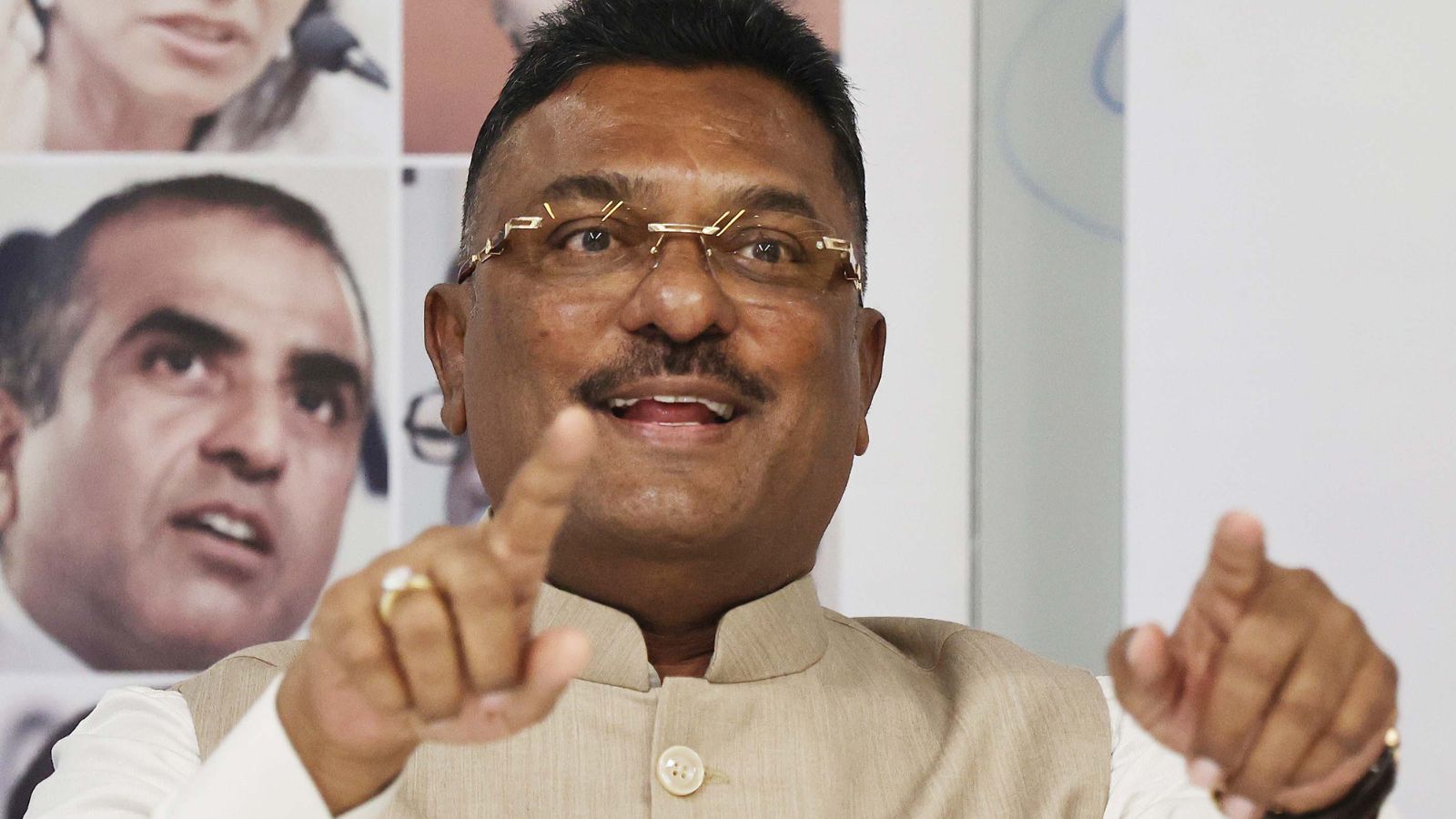
The Maharashtra government has announced that it will begin issuing permits for app-based bike taxi services from August 1, marking a significant shift from its earlier enforcement actions against unregulated operations. Transport Minister Pratap Sarnaik informed the Legislative Assembly on Tuesday that a new regulatory framework will require drivers to hold a Maharashtra domicile certificate, fulfil eligibility conditions, and operate through registered aggregators.
Speaking to The Indian Express, Sarnaik said the move aims to bring an estimated 4 lakh to 4.5 lakh app-based bike taxis currently operating without legal permission into a structured system. The government has not been receiving revenue from these services, and the new policy is designed to generate income and extend welfare benefits to drivers.
Under the proposed framework, aggregators will pay Rs 5 per ride to the state government and contribute 2 per cent of the fare towards a welfare fund administered by the State Transport Authority. The fund will provide benefits to drivers of both two-wheeler and four-wheeler aggregator platforms.
Permits will be issued only to applicants with a Maharashtra domicile certificate. Sarnaik explained that the requirement ensures drivers have lived in the state long enough to be familiar with Marathi and local conditions, and is also intended to create employment opportunities for local youth.
The announcement represents a departure from the state's recent approach. Last year, Maharashtra notified rules allowing only electric bike taxis and conducted enforcement drives against petrol-powered services by aggregators such as Rapido, Ola, and Uber. However, enforcement proved challenging due to the aggregators' common app platforms operating across the country.
According to information tabled in the Assembly, authorities collected fines totalling Rs 16.25 lakh against illegal bike taxi operations between April 2025 and March 2026, and another Rs 2.31 lakh in April and May 2026. About 1,000 vehicles were found operating illegally, but criminal cases were registered against only 14 drivers.
With the new policy effective from August 1, the government expects to regularise the sector, ensuring legal compliance, revenue generation, and social security for drivers.







