Madras High Court Restrains ECI from Notifying Bypolls for 5 TN Seats Until July 31
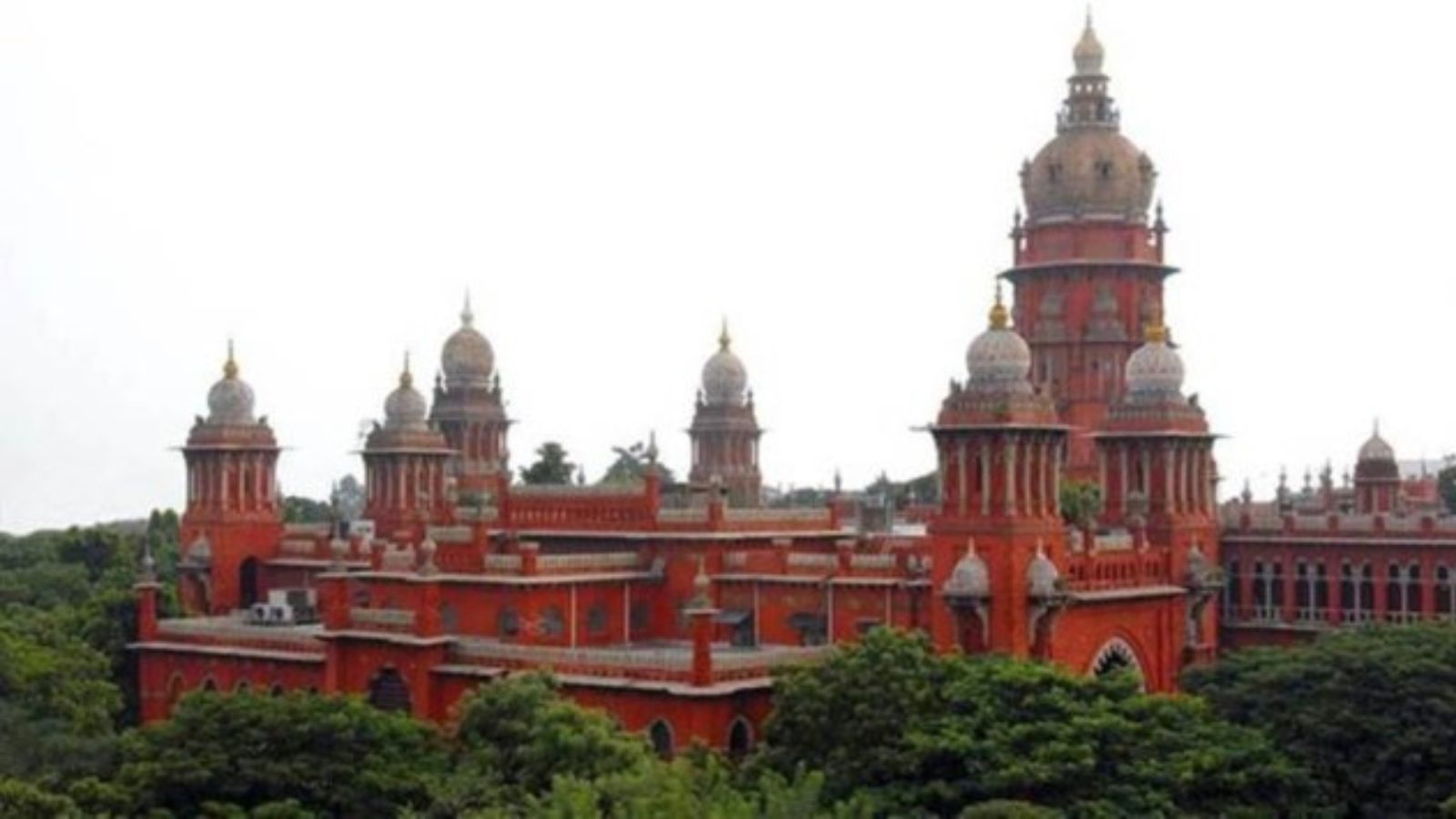
The Madras High Court has directed the Election Commission of India (ECI) not to issue any notification for byelections to five Assembly constituencies in Tamil Nadu until July 31. The interim order, passed on Friday, came on a public interest litigation that argued that the vacancies caused by resignations of the elected members could not be treated as 'clear vacancies' under the Representation of the People Act, 1951 because election petitions challenging those elections were already pending before the court.
A bench of Chief Justice Sushrut Arvind Dharmadhikari and Justice G Arul Murugan heard the PIL filed by advocate K Venkatachalapathy. The petitioner contended that conducting byelections while election petitions—which seek not only to declare the earlier elections void but also to declare the petitioners themselves as elected—are pending could lead to a constitutional anomaly. This would result in two individuals claiming to represent the same constituency simultaneously.
The court found prima facie support for this argument in earlier Supreme Court judgments. Referring to D Sanjeevayya Vs Election Tribunal, the bench observed that if a byelection is held while an election petition seeking a declaration in favour of another candidate is pending, 'there will be two candidates representing the same constituency at the same time… and an impossible situation would arise.' The court also noted that the Election Commission is not bound to hold a byelection immediately and may wait until the result of the election petition is known.
The bench further cited subsequent Supreme Court rulings, including Election Commission of India v. Telangana Rashtra Samithi and Pramod Laxman Gudadhe v. Election Commission of India, which distinguished between vacancies where election petitions are pending and those without such disputes. The court summarised that 'a distinction must be drawn between two categories of vacancies' and that where an election petition seeking composite relief remains pending, 'the vacancy cannot be treated as a 'clear vacancy' available for a bye-election.'
During the hearing, Advocate General Vijay Narayan, representing the Tamil Nadu Legislative Assembly Secretary, argued that the dates on which resignations took effect were significant. He contended that some resignations were accepted before the corresponding election petitions were filed, meaning the vacancies arose before any dispute was pending. He sought time to file a detailed counter-affidavit.
Senior counsel G Masilamani, appearing for Chief Minister M K Stalin, questioned the maintainability of the PIL and the petitioner's locus standi. He argued that the Election Commission had not yet issued any notification, making the petition premature.
Counsel for the Election Commission, Niranjan Rajagopalan, submitted that the Commission had not yet received notices in the election petitions and that several petitions faced issues of maintainability and procedural defects. He contended that until those petitions cross that stage, they cannot be considered validly pending.
The court directed all respondents to file comprehensive counter-affidavits within three weeks and restrained the ECI from issuing any notification for byelections until July 31. The five constituencies affected are Tiruchi (East), Perundurai, Ambasamudram, Viralimalai and Karur.







