Long-Range Strikes Kill 17 Across Russia and Ukraine as War Intensifies
At least 17 people were killed on Friday in long-range strikes exchanged between Russia and Ukraine, with attacks reported outside Kyiv, in the frontline city of Sloviansk, and deep inside Russian territory. The escalation comes as diplomatic efforts remain stalled and both sides continue to target military and industrial infrastructure.
Ukrainian President Volodymyr Zelensky stated that a Russian missile strike on the outskirts of Kyiv killed six people, with rescue operations ongoing and dozens injured. He also said that Russian aerial bombing in Sloviansk, a city in eastern Ukraine, resulted in five deaths.
On the same day, Ukraine launched a wave of drone and missile attacks on targets within Russia. Russian officials reported that a strike on a factory in the city of Kirov, more than 1,000 kilometres from the front line, killed six people. Ukraine also attacked warehouses belonging to the Russian online retailer Wildberries near Saint Petersburg – the third such attack this week – targeting what Moscow describes as civilian infrastructure.
The renewed violence follows warnings from the United Nations that civilian casualties this summer have reached levels not seen since the first months of Russia's full-scale invasion, now in its fourth and a half year. Zelensky called the strike on Kirov a successful hit on a key military enterprise that supplies components for Russian aircraft and missile systems used against Ukrainian cities.
Kirov Governor Alexander Sokolov confirmed that a factory was hit, with six killed on the spot and 26 wounded. While Ukraine has previously struck energy infrastructure deep inside Russia, fatalities inside Russian territory have remained rare.
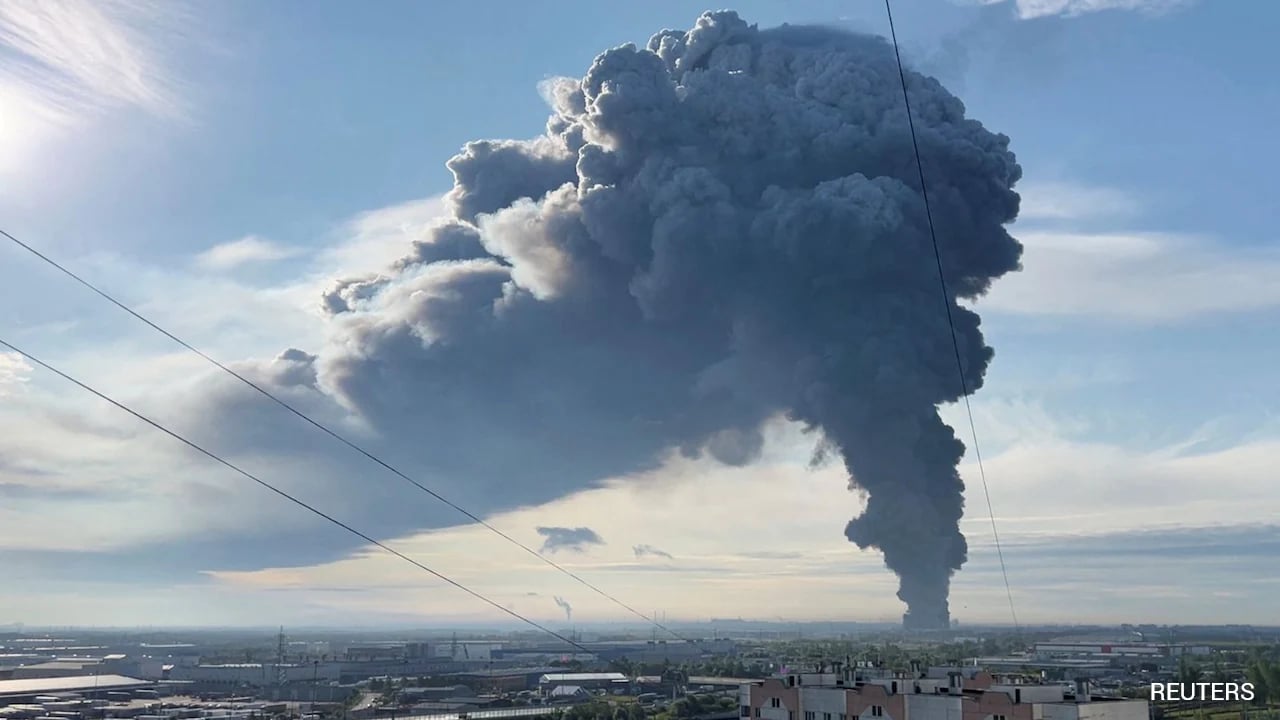
In Saint Petersburg, President Vladimir Putin's hometown, attacks on Wildberries warehouses sent smoke over the city. Zelensky accused the company of storing drone components and aiding the Russian military, a claim that Moscow has denied. Ukraine states that its strikes aim to weaken Russia's war effort and compel the Kremlin to negotiate an end to the conflict.
Such attacks on Russian cities were once considered unthinkable after Moscow launched its offensive in 2022, expecting a quick victory. In Saint Petersburg, teacher Anna, 50, said the strikes are making people angry. 'This Ukrainian tactic is not leading to peace,' she said, adding that many in her circle are becoming more supportive of continued military action.
Ukrainian cities have faced near-daily attacks since 2022, with high civilian casualties. Russian media, under strict censorship, rarely reports on these deaths. Cashier Svetlana, 30, from Saint Petersburg, expressed fear and blamed Ukraine for the escalation, saying, 'Of course I want peace, but you see what they are doing.'
Russia continues to occupy large areas of eastern and southern Ukraine, maintaining maximum demands for territorial control. Hours after Ukraine's strikes on Saint Petersburg, Kyiv residents reported explosions as Russian missiles targeted the capital in a rare daytime attack. In Sloviansk, Governor Vadym Filashkin said two aerial bombs were dropped on the city, which had a pre-war population of 105,000 and remains a key frontline target.
The UN reported that civilian casualties this week in the Russia-Ukraine war have been particularly high, underscoring the human cost of the prolonged conflict. Both sides continue to strike each other's territories, with no immediate prospect of de-escalation.