Lok Sabha passes Births and Deaths Amendment Bill without debate as Opposition protests
The Lok Sabha on [date] passed the Registration of Births and Deaths (Amendment) Bill, 2026, without any discussion, amid protests by Opposition members. The bill, which seeks to make the process of delayed registration of births and deaths more stringent, was moved for passage as the House functioned under suspension of question hour and other business.
According to officials, the proposed amendment aims to streamline the registration process and create a more robust database of vital statistics. The government has argued that accurate and timely registration is essential for effective planning and implementation of welfare schemes. However, the lack of debate in the Lower House drew criticism from Opposition benches, who accused the government of rushing legislation without proper scrutiny.
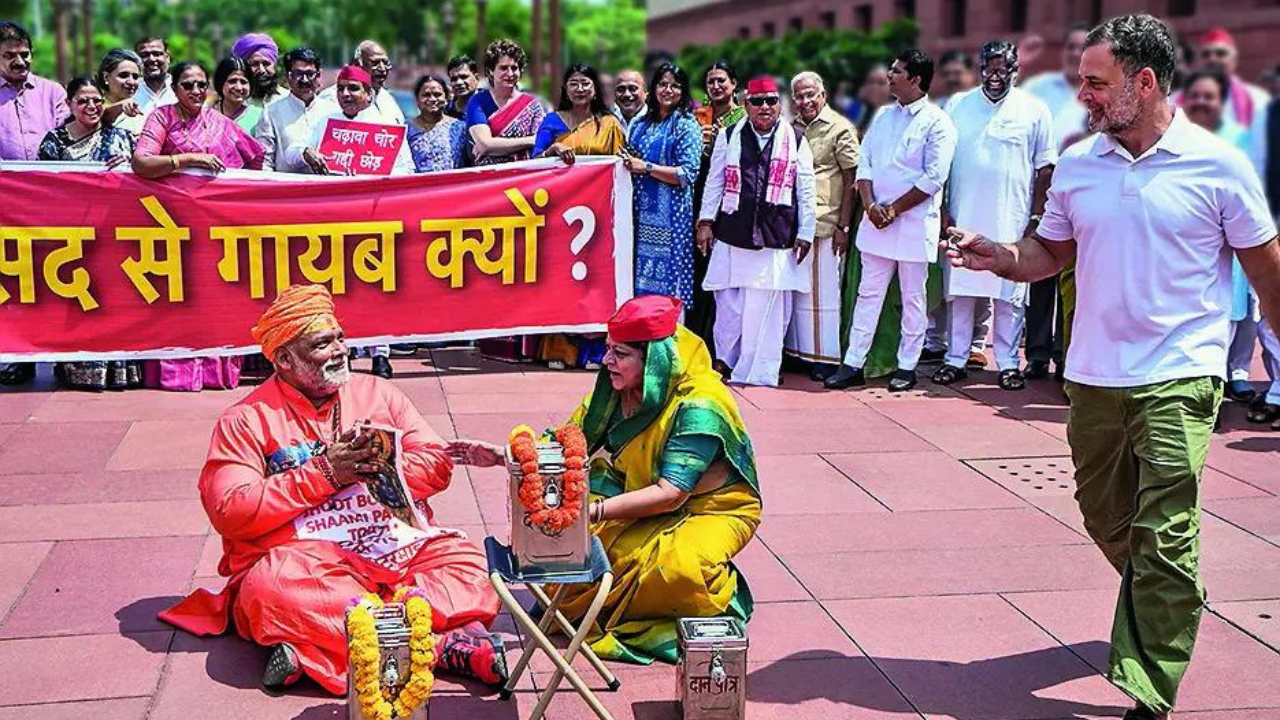
The Rajya Sabha, where the Opposition holds significant numerical strength, witnessed disruptions from the start of the day's proceedings. Members belonging to the Congress and Samajwadi Party (SP) raised issues related to alleged police action against protestors and an alleged theft of donations at a prominent temple. These concerns were pressed vociferously, leading to repeated adjournments and preventing the Upper House from transacting any official business.
Eventually, the Rajya Sabha was adjourned for the entire day, with the Chair noting that the House could not function due to the continued uproar. The bill, which has now been passed by the Lok Sabha, is likely to be taken up in the Rajya Sabha for consideration in the coming days. Its fate in the Upper House remains uncertain, given the Opposition's strong reservations and their demand for a detailed debate on the provisions.
The Amendment Bill, introduced earlier in the session, proposes to amend the Registration of Births and Deaths Act, 1969. It also seeks to provide a legal framework for a national database that could help in updating electoral rolls, ration cards, and other official records. However, critics have expressed concerns over potential privacy issues and the centralisation of data, though such concerns were not raised in the Lok Sabha due to the hurried passage.
The government, however, maintained that the amendments are essential for administrative efficiency and transparency. Officials stated that the new provisions would impose stricter timelines and penalties for delayed registrations, addressing a long-standing gap in the system.
The Opposition's actions in the Rajya Sabha reflect a broader pattern of legislative friction in recent sessions, with contentious bills often being passed without debate. Parliamentary observers have noted that the lack of discussion on a bill of this nature denies lawmakers the opportunity to examine its implications thoroughly.
Minister of State for Home Affairs, who piloted the bill in the Lok Sabha, urged members to support the legislation, saying it would benefit citizens by ensuring accurate records. The minister emphasised that the measure was not intended to harass individuals but to bring uniformity in the registration process across states.
As the bill moves to the Rajya Sabha, the government will need to build a consensus to ensure its passage. The Opposition's demand for a detailed clause-by-clause discussion may prolong the process, but the government appears confident of securing enough support in the Upper House.
In the meantime, the disruption in the Rajya Sabha has raised questions about the erosion of parliamentary discourse, with pressing legislative business being repeatedly stalled. The incident is yet another example of the growing polarisation between the government and the Opposition, which has often brought the Parliament's functioning to a standstill.
The Registration of Births and Deaths (Amendment) Bill, 2026, is now awaiting consideration by the Rajya Sabha. If passed, it will replace the existing framework and introduce new rules for registration. The ultimate impact on citizens will depend on the final shape of the law and its implementation.


