LeT commander alleges Indian agents killed 30+ members since 2020
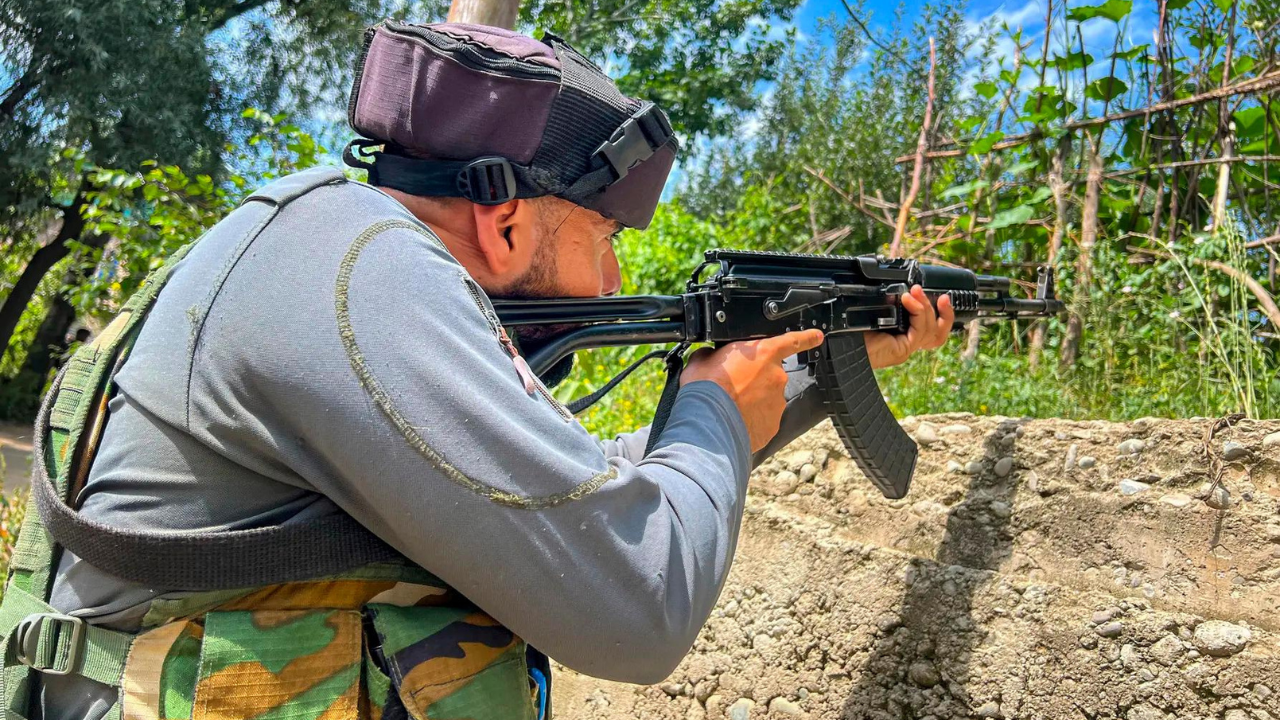
Rizwan Hanif, a senior commander of Lashkar-e-Taiba (LeT), has alleged that Indian agents have killed more than 30 individuals linked to the group across various Pakistani cities since 2020. The claim was made during a public address in Pakistan, with the commander naming Peshawar, Karachi, Rawalpindi, Muzaffarabad, and Rawalakot as locations where the killings occurred.
Hanif, who serves as the deputy chief of LeT's chapter in Pakistan-Occupied Kashmir (POK), framed these targeted killings as religious persecution. In a video circulated on social media, he questioned what he described as the group's 'crime', asserting that members were targeted solely for their faith. He also made remarks against other religions, and rejected the authority of foreign powers, including the US and Israel, while vowing to continue the group's activities.
These statements come amid heightened rhetoric from Pakistan's military establishment. Earlier, Lt General Ahmed Sharif Chaudhry, the official spokesperson of the Pakistan Armed Forces, alongside the son of a US-designated terrorist, had aired similar views in a video, making controversial claims about Afghan Muslims. Pakistani Defence Minister Khawaja Asif also recently described anti-government demonstrators in POK as 'enemies' comparable to India, and defended the use of force against protesters.
Security experts suggest that the recent escalation in sectarian and anti-India rhetoric serves as a narrative-building exercise. This comes as Islamabad faces growing public unrest in Pakistan-Occupied Kashmir, where violent crackdowns against protesters, particularly in Rawalakot, have drawn severe criticism. Analysts note that these events have dented Pakistan's longstanding claim of being the champion of Kashmiri self-determination.
The claims made by Hanif have not been independently verified. Neither Indian nor Pakistani officials have officially responded to the specific allegations. LeT is designated as a terrorist organisation by India, the US, the UK, and the UN, among others. Hanif himself is wanted by Indian authorities for his role in militant activities.
This development underscores the ongoing tensions between India and Pakistan over Kashmir, as well as the internal challenges faced by Islamabad in managing dissent within POK. The rhetoric from both state and non-state actors continues to shape the narrative around the disputed region.