Legal notice to Meta over Ray-Ban glasses: Who is responsible for covert recording?
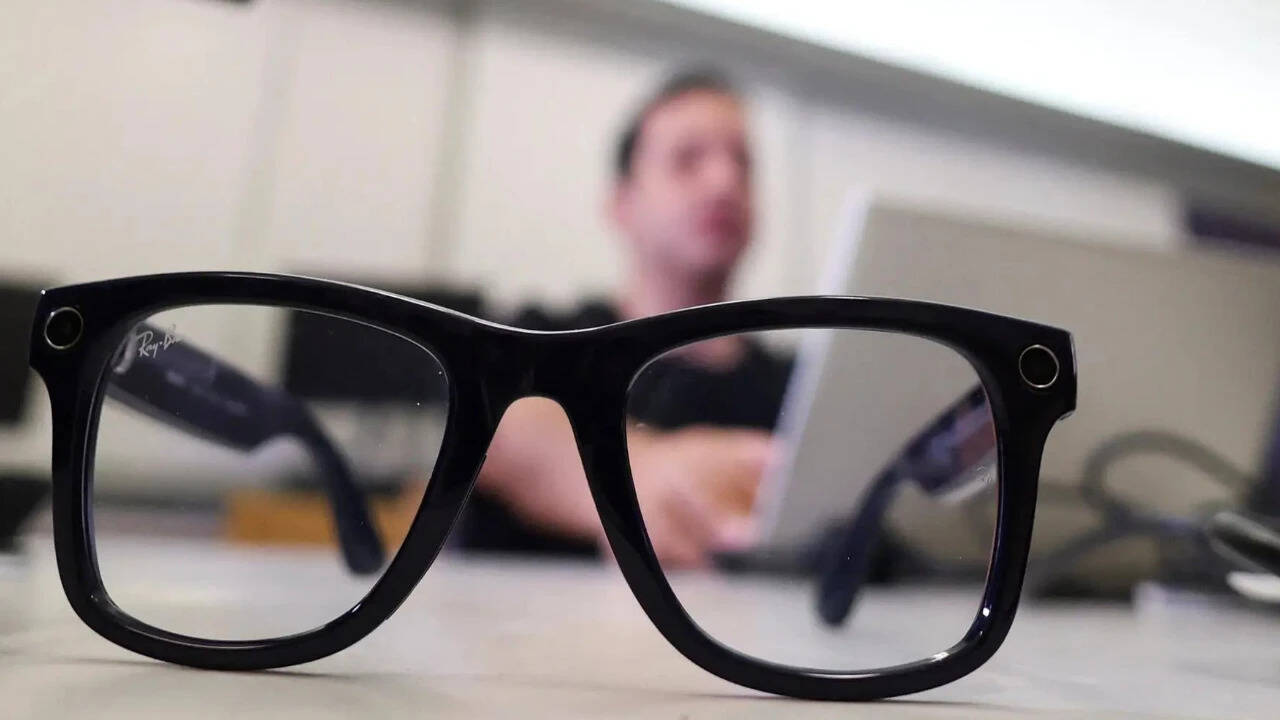
A legal notice sent to Meta Platforms has raised a significant question about the accountability of technology companies for the misuse of their products. The notice follows an incident in which a man alleged that he was covertly filmed using Ray-Ban Meta smart glasses, and the resulting video was widely shared online, turning him into an unwilling subject of viral content. The notice argues that Meta, by designing and selling eyewear that allows for discreet recording, may be complicit in enabling such violations of privacy.
The Ray-Ban Meta glasses, a collaboration between Meta and EssilorLuxottica, are marketed as stylish smart glasses with built-in cameras and audio capabilities. While they are not the first wearable device to include a camera, their appearance is almost identical to ordinary eyewear. A small LED indicator is designed to light up when recording is in progress, but it is subtle and can be easily overlooked by bystanders. This has led to growing privacy concerns, as the glasses allow users to record video or take photos without clearly signalling to those around them.
The central issue raised by the legal notice is whether Meta can be held responsible for designing a product that facilitates recording without explicit consent. Indian courts have historically recognised the right to privacy as a fundamental right, and the landmark Puttaswamy judgment of 2017 reaffirmed this. Additionally, the Information Technology Act, 2000, and the proposed Digital Personal Data Protection Act impose obligations on entities that process personal data. However, these laws primarily target the act of recording or dissemination rather than the manufacturer of the recording device itself.
Legal experts suggest that holding Meta liable would require establishing a direct link between the design of the glasses and the alleged wrongdoing. Under current product liability norms, manufacturers are generally not held responsible for how consumers use their products unless there is a clear design defect or a failure to provide adequate warnings. While a small LED indicator exists, critics argue that it is insufficient to prevent covert recording in practice. The question is whether Meta has a duty to make recording noticeable to all bystanders, or whether the responsibility lies with the individual user who violated the law.
Meta has not yet publicly responded to the notice. In past disputes involving user-generated content, the company has maintained that it acts as an intermediary and is not responsible for what users post, as long as it follows takedown procedures. However, the legal notice targets the design of the hardware itself, not just the content shared on the platform. This distinction could set a precedent for how smart devices with recording capabilities are regulated in India.
The outcome of this case, should it proceed to court, could have far-reaching implications for the wearable technology industry. Other products, such as smartwatches and AR glasses, also come with cameras and raise similar concerns. The balance between innovation and privacy is delicate, and this case may force lawmakers to revisit existing rules to keep pace with technological advancements. For now, the incident serves as a reminder that the ability to record the world around us carries with it a responsibility to respect the privacy of others.