Lebanon ceasefire condition stalls US-Iran talks in Switzerland
Talks scheduled for Friday in Switzerland between the United States and Iran have been called off, with Iranian media reports citing ongoing Israeli attacks on Lebanon as the primary reason. The negotiations were meant to advance the peace deal outlined in a 14-point memorandum of understanding signed earlier this week by US President Donald Trump and Iranian President Masoud Pezkeshian.
According to Iran's Fars news agency, Tehran has stated that until a ceasefire is achieved in Lebanon, it will not unilaterally implement its commitments under the agreement. Al Mayadeen reported that the Iranian delegation had been preparing to travel to Switzerland to discuss the broader deal, but Tehran informed the US and mediators that a halt to hostilities in Lebanon was essential for progress.
The suspension followed the cancellation of a planned visit to Geneva by US Vice President JD Vance. A White House spokesperson commented, "The logistics of these negotiations have never been simple or predictable," without providing further details.
Iran had earlier expressed readiness to begin technical talks after the Wednesday accord extended a tenuous ceasefire by at least 60 days. The deal provides Iran with relief from economic sanctions, unfreezes billions of dollars in assets, and grants US waivers for oil exports. Negotiators have 60 days to agree on Iran's nuclear program, with the possibility of an extension, and to establish a $300 billion reconstruction fund for Iran.
Iran's top negotiator, Mohammad Bagher Ghalibaf, warned of a strong response to any breach of the agreement. "We have no doubt about delivering a forceful response if the other side breaks its commitments," he said.
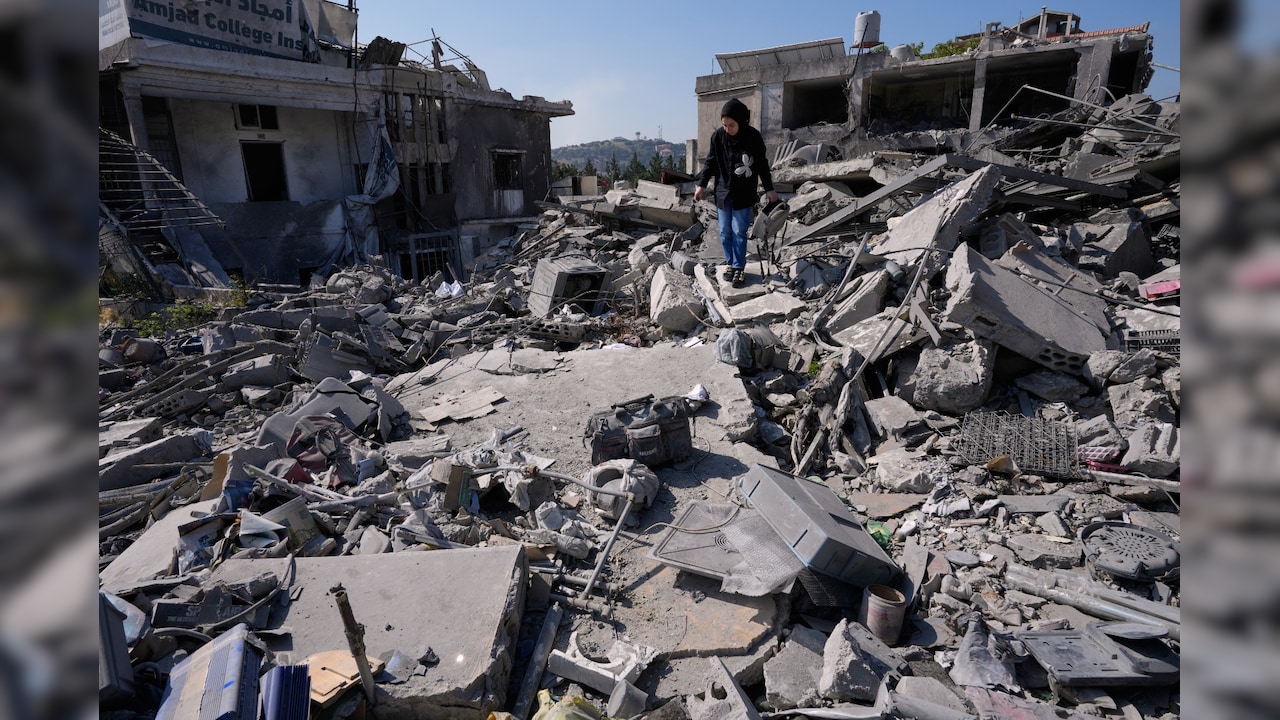
Meanwhile, Israeli strikes on Lebanon continued, killing at least 15 people on Friday, according to Lebanon's state news agency NNA. Israel stated the attacks targeted Hezbollah positions. The conflict has displaced over one million people in Lebanon. The US ally Israel was excluded from the peace talks, and President Trump has reportedly criticised Israel's ongoing offensive, despite his initial vow to secure Iran's "unconditional surrender."
Iran's Supreme Leader, Ayatollah Mojtaba Khamenei, described the deal as signed by Trump "out of desperation" and indicated that negotiations on Iran's nuclear program would be challenging. "If the American side wants to be too demanding, we will not accept it," he said.
US officials remain hopeful that a strong agreement on Iran's nuclear program can be reached, aiming to surpass the 2015 deal that Trump abandoned during his first term. Critics, however, argue that Iran is now in a stronger position, having withstood US attacks, demonstrated control of the Strait of Hormuz, and secured valuable financial incentives.