Ladakh Groups Reject Centre’s Draft Proposal; Sankoo Becomes Eighth District

The Ministry of Home Affairs (MHA) has shared a 15-page draft proposal with civil society groups and leaders in Ladakh, including the Leh Apex Body (LAB) and the Kargil Democratic Alliance (KDA). In a separate development, the Lieutenant Governor’s administration announced that Sankoo will become the eighth district of Ladakh. Until 2019, the region had only two districts.
Ladakh was carved out as a Union Territory in 2019 from the Kashmir division of the erstwhile State of Jammu and Kashmir. Since then, it has seen frequent street protests. The region has been demanding Statehood and inclusion in the Sixth Schedule. At present, Ladakh is a Union Territory without a legislature, unlike Jammu and Kashmir.
The two developments are separate, but both relate to long-standing demands in the region. The draft proposal was shared by a sub-committee of the MHA. The LAB and the KDA said in a joint statement that they reject the draft “in principle”. They claimed it represented a significant departure from assurances and commitments made during previous meetings of the sub-committee.
The groups said the draft does not address their demand for a legislative assembly and constitutional safeguards under Article 371, including a provision tailored to Ladakh’s unique circumstances. They urged the MHA to reconsider the proposal and accept, in its true spirit and entirety, the draft Memorandum of Understanding (MoU) submitted by the two bodies on October 15 in Leh.
“The people of Ladakh deserve a meaningful constitutional framework that honours prior commitments and safeguards their political, cultural and democratic aspirations, rather than an arrangement that dilutes them,” the LAB and KDA said.
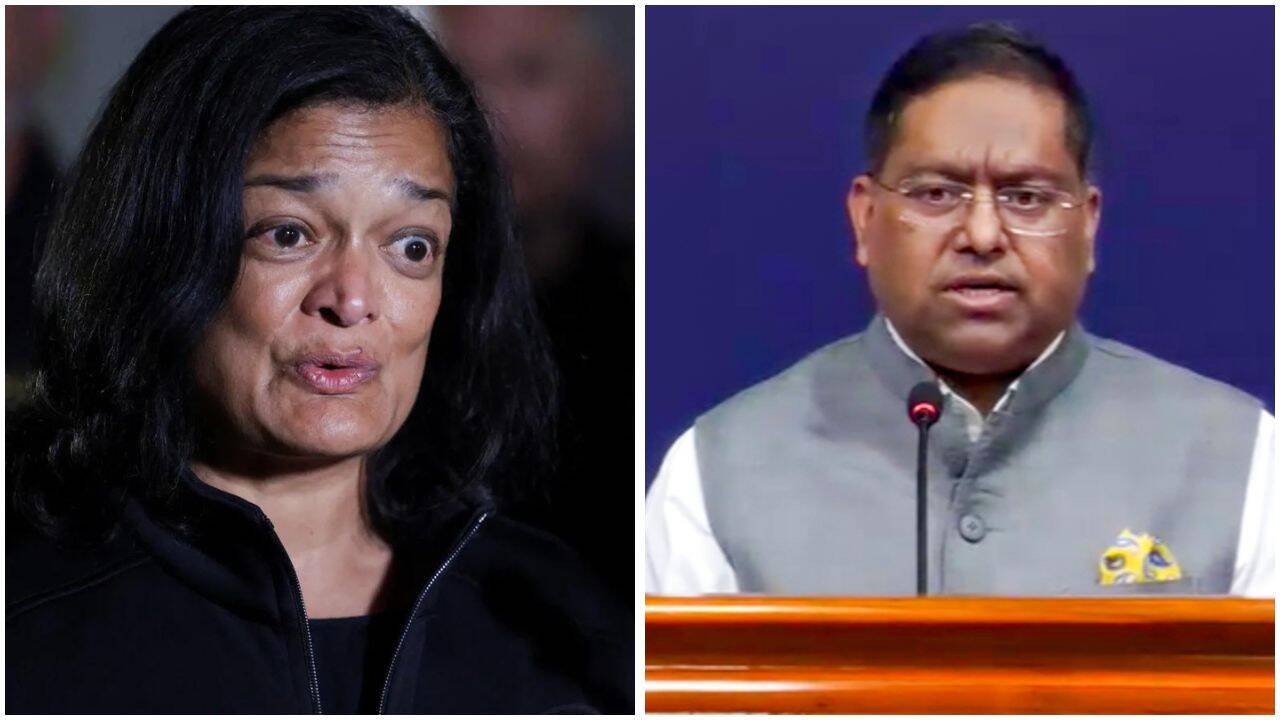
The MHA set up a High-Powered Committee (HPC) in 2023 under the chairmanship of Minister of State for Home Affairs Nityanand Rai after protests grew in Ladakh. Its mandate was to suggest measures to protect the region’s unique culture and language, keeping in view its geographical location and strategic importance. It was also asked to suggest measures to protect land and employment, promote inclusive development and employment generation, empower the Ladakh Autonomous Hill Development Councils (LAHDCs) of Leh and Kargil, and provide constitutional safeguards for these objectives.
Earlier this year, the Centre and Ladakh representatives held talks on May 22. In July, the MHA released the minutes of the meeting. The minutes said that “Statehood would remain the long-term aspiration of Ladakh” and that, in the present situation, “as a first step, an appropriate customised model of governance by establishing a UT level elected body with executive financial and legislative powers would be established”.
The minutes indicated a model of constitutional safeguards under Article 371 and pressed the idea of “a customised sui generis model, which is most suitable for Ladakh”. The MHA had promised to work on a draft proposal defining the powers and functions—executive, financial and legislative—of such a body. The draft was seen as the MHA’s outline of a possible structure of self-governance in Ladakh, even as Ladakh representatives continued to push for Statehood and the Sixth Schedule.
The LAB and KDA have said the draft does not meet their central demands. The creation of Sankoo as a new district and the draft proposal are now being watched for how they affect the region’s political and administrative future.