Kashmir Child Survives Rare Immune Disorder After Stem Cell Transplant from Polish Donor
A three-year-old child in Kashmir has been successfully treated for a rare and life-threatening immune disorder through a stem cell transplant using cells donated by a man in Poland. The procedure, performed at the Sher-i-Kashmir Institute of Medical Sciences (SKIMS) in Srinagar, involved collaboration with a German donor network.
The child, Lukman, was diagnosed with Hemophagocytic Lymphohistiocytosis (HLH), a condition where the immune system mistakenly attacks the body's own organs and healthy blood cells. Doctors say a bone marrow transplant is the only curative treatment for this disease. The family had previously lost their daughter to the same illness two years ago when no suitable donor could be found.
After Lukman was admitted to SKIMS, doctors searched global donor registries for a matched unrelated donor, as no fully matched sibling donor was available. A compatible donor was identified through a Germany-based bone marrow donor network. Stem cells were collected from the donor in Poland and transported to Srinagar for the transplant.
For the family, the procedure brought relief. "I lost my daughter to the same disease, and at that time we couldn't get a donor to save her life. I just can't thank the doctors of SKIMS enough for saving my child," said Mohammad Ashraf Sheikh, Lukman's father.
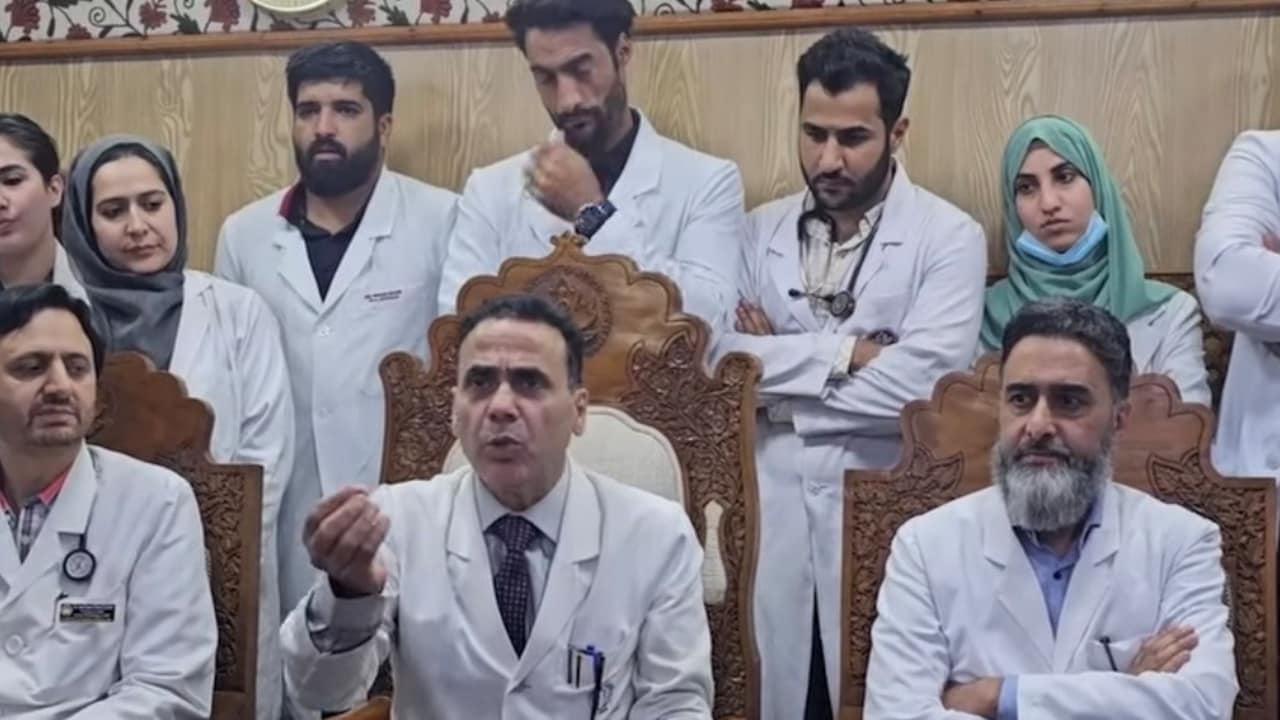
Dr Mohammad Ashraf Ganie, Director of SKIMS, said the transplant was a milestone, as only a few centres in India perform matched unrelated donor (MUD) transplants. "This is the first such procedure at our institute. We are happy that a young life was saved, and SKIMS is among the very few institutions in the country that can perform a matched unrelated donor transplant," he said.
The transplant was carried out by a team including Dr Reshma Roshan, Associate Professor at SKIMS, Prof. Sajad Ahmad Geelani, and Dr Afaq Ahmad Khan. Doctors said the child recovered well and has since been discharged.
Medical experts explain that stem cell donors are usually siblings with a complete Human Leukocyte Antigen (HLA) match. When such donors are not available, doctors rely on international donor registries to identify genetically compatible matches. Following the success of the transplant, SKIMS has called for greater awareness about stem cell donation and wider participation in donor registries. "We can save lives if people register themselves and their HLA profiles are included in donor registries," Dr Ganie said.