Karnataka High Court: Earning more than husband can disqualify wife from maintenance claim
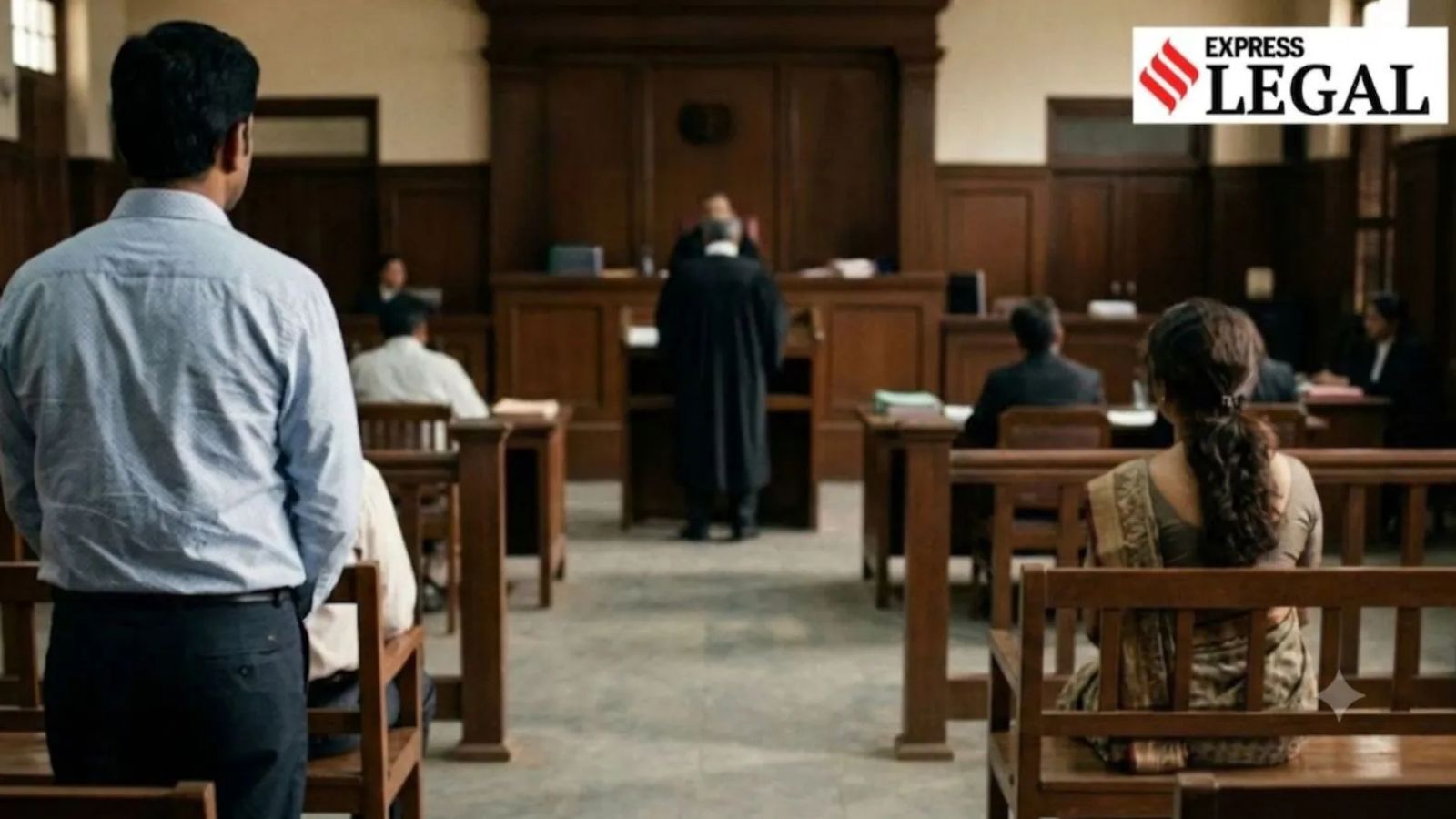
The Karnataka High Court has ruled that a wife who earns more than her husband and has no significant liabilities may not be entitled to spousal maintenance. The judgment, delivered by Justice Dr Chillakur Sumalatha on June 18, set aside a trial court order that required a husband to pay Rs 20,000 per month as interim maintenance to his wife.
The case involved a wife who admitted earning approximately Rs 1 lakh per month. She argued that she had incurred debts related to the marriage and needed maintenance to repay them. However, the High Court found that the trial court had not adequately considered the wife's income when awarding interim maintenance.
In her order, Justice Sumalatha observed: “When the wife is financially sound and in case where the income of the wife is more than that of the husband and where no other liabilities are found on part of the wife, like looking after the children, Courts should not be inclined to pass an order granting maintenance on the ground that women are required to be maintained by men or wife is required to be maintained by her husband.”
The ruling underscores the principle that maintenance is meant to prevent destitution, not to be an automatic right based on gender. Under Indian law, both spouses have a mutual obligation to support each other. Section 125 of the Code of Criminal Procedure allows a wife to claim maintenance if she is unable to maintain herself, but courts must assess the financial circumstances of both parties.
Legal experts note that this judgment aligns with evolving judicial precedents that emphasize financial independence and equality between spouses. The decision is likely to influence future maintenance cases, particularly when the wife has a higher income than the husband.
The High Court's order also highlights the need for trial courts to conduct a thorough assessment of the assets, income, and liabilities of both parties before granting interim maintenance. The case has been remanded back to the trial court for fresh consideration in light of the observations made by the High Court.







