CJI Surya Kant: BCI action against NALSAR students 'absolutely uncalled for'
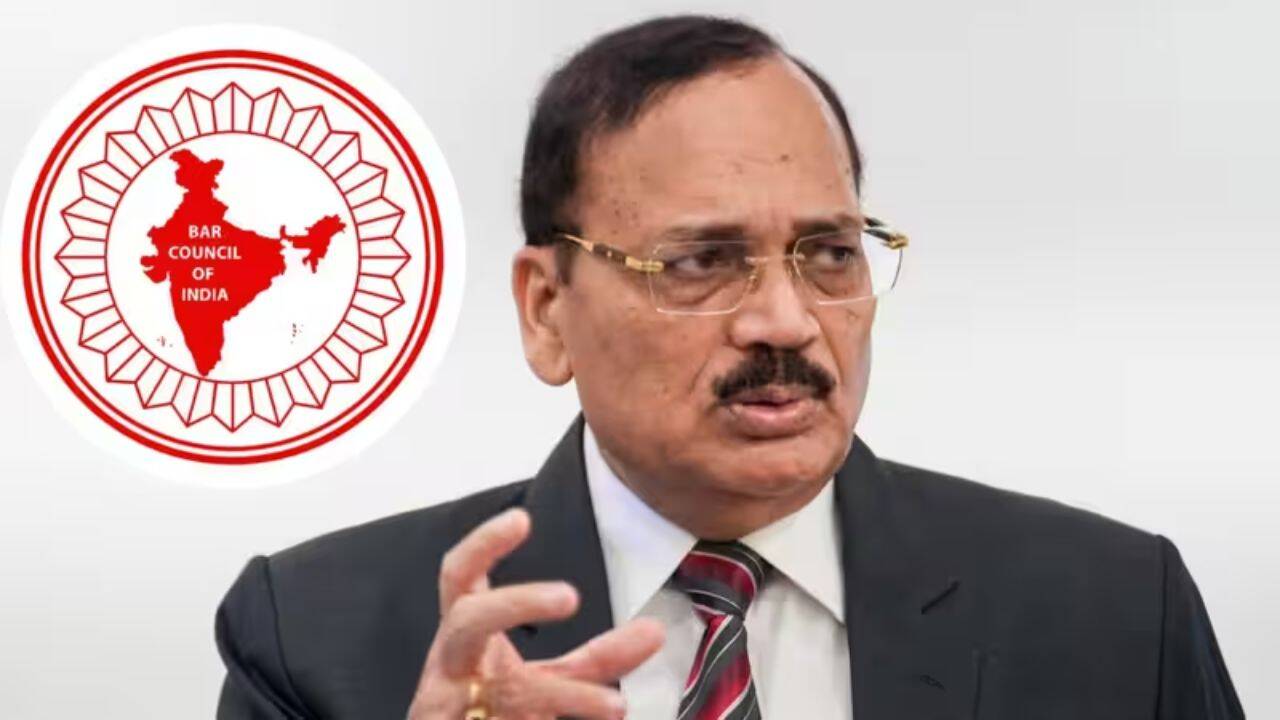
NEW DELHI: The Supreme Court on Friday strongly disapproved of the Bar Council of India's (BCI) decision to block enrolment of NALSAR University of Law's 2026 graduates as advocates, a move that was later withdrawn. A bench led by Chief Justice of India Surya Kant said students have the right to protest peacefully and stayed any coercive action against NALSAR students or faculty by the BCI or state Bar Councils.
"If students are protesting peacefully, who is BCI to take action? It is the right of the students to protest peacefully. It is a dialogue between students and me. No one else has to step in," the CJI observed. The bench, also comprising Justices Joymalya Bagchi and V Mohana, described the BCI's action as "absolutely uncalled for" and posted the matter for further hearing after two weeks.
The controversy began after a section of NALSAR students urged the university administration to reconsider inviting CJI Kant as the chief guest for its upcoming convocation. The students cited his reported remarks during a hearing on alleged police excesses against protesters during the July 20 march to Parliament. At least six representations were submitted to the NALSAR administration from students of different batches, the first being on July 23.
One representation referred to the CJI's response to an offer to show videos of the alleged police action: "We are not interested in videos; we don't have time to watch." It also quoted him as telling counsel, "Don't waste our time, and don't waste your time." The students argued that inviting the CJI conflicted with the university's stated commitment to constitutional rights and access to justice.
"A convocation is meant to be a moment where the University's own values, including a commitment to constitutional rights, access to justice, and reasoned engagement with grievances, are visibly reflected in the choices it makes. We feel that receiving our degrees from a dignitary whose recent public conduct, as reported, appears dismissive of serious allegations of police brutality against protesting citizens sits uncomfortably with what we have been taught to value during our time at NALSAR," the representation read.
Five subsequent representations from different batches supported the concerns raised in the initial letter. Students claimed that hundreds had backed the representations, although the numbers could not be independently verified. "We respect the CJI's position. But we have been taught the Constitution and constitutional values, and we don't want to support something that goes against those values," a student who was part of the Student Bar Council told this newspaper.
The issue escalated on Thursday when BCI chairperson Manan Kumar Mishra directed state Bar Councils not to enrol NALSAR's 2026 law graduates as advocates until further orders. The BCI sought a factual report from NALSAR on those who had allegedly initiated, organised or mobilised the campaign against CJI Kant's participation in the convocation. Mishra said the final decision would be taken on August 19 after receiving a report from the university's vice-chancellor. He also asked NALSAR to distinguish between students who merely signed or supported representations and those who organised or coordinated the campaign.
Within hours, the BCI retracted its order following widespread criticism and the Supreme Court's intervention. The Court's stay order ensures that no coercive action is taken against the students or faculty members in connection with the protests. The CJI noted that the students' actions were a form of expression and dialogue, and that the BCI had overstepped its mandate.
The matter will now be heard after two weeks. Legal experts say the case raises important questions about the scope of regulatory bodies' powers and the fundamental right to protest. The Supreme Court's stance reinforces the constitutional guarantee of peaceful assembly and expression, even when directed at members of the judiciary.







