Centre Moves Supreme Court and Tribunal to Untangle OBC Creamy Layer Knot
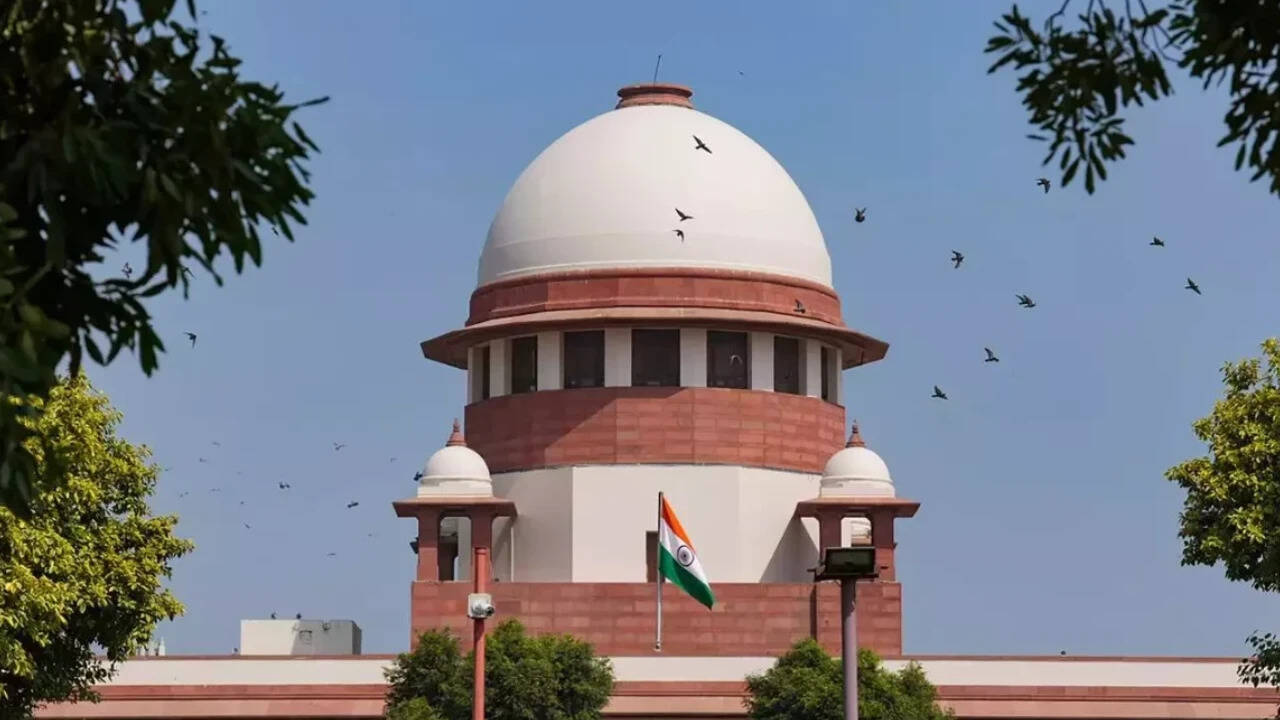
The Union government has approached the Supreme Court with a petition raising questions about a judgement, and has separately asked the Central Administrative Tribunal to modify its order of 19 August, according to the report available. The two moves, made one after the other, indicate that the government is trying to clear a legal tangle over how the “creamy layer” principle applies to Other Backward Classes (OBCs).
The report does not specify which judgement is under challenge, what the tribunal’s 19 August order said, or the grounds on which the government has sought a modification. It also does not record any comment from the government, the tribunal or the parties involved. The details of the dispute should therefore be treated as still developing.
What is the creamy layer?
In simple terms, the “creamy layer” refers to the relatively better-off sections within a backward class. Under the policy followed for OBC reservation in central government jobs and in admissions to central educational institutions, families that cross a specified income and social-status threshold are excluded from the benefit of reservation. The reasoning is that the benefit should reach those who remain socially and educationally backward, rather than those who have already advanced.
The concept comes from the Supreme Court’s 1992 judgement in Indra Sawhney v Union of India, commonly called the Mandal judgement. That ruling upheld 27 per cent reservation for OBCs in central government posts while directing that the creamy layer be excluded. The income ceiling used to identify the creamy layer has been revised from time to time. In 2018, Parliament passed the 102nd Constitutional Amendment, which gave constitutional status to the National Commission for Backward Classes.
The principle has not been applied in the same manner across all categories of reservation. In 2018, a five-judge Constitution Bench of the Supreme Court held in Jarnail Singh v Lachhman Das that the creamy layer principle should apply to Scheduled Castes and Scheduled Tribes as well, in the context of reservation in promotions. The scope of the principle in different settings has since been the subject of continuing litigation.
Where does the tribunal fit in?
The Central Administrative Tribunal, set up under Article 323A of the Constitution, decides service-related disputes involving central government employees. Its orders can be challenged before a High Court or the Supreme Court. When a tribunal order touches on how creamy layer verification is carried out in a service matter, a request to modify it is usually aimed at ensuring that recruitment or promotion processes are not held up while the larger legal question is pending. The available report, however, does not set out the government’s reasoning.
Why this matters
Reservation rules affect lakhs of candidates who apply for central government posts and seats in central institutions every year. Even a limited change in how the creamy layer is verified can alter eligibility for a large number of applicants, which is why courts, tribunals and the government tend to proceed with care. The legal position also has a bearing on how certificates are issued and scrutinised at the time of recruitment.
What happens next
The Supreme Court will hear the government’s petition, and the Central Administrative Tribunal will consider the request to modify its 19 August order. The outcome of the two proceedings will decide how the creamy layer rule is applied in the case at hand, and possibly in similar matters. Until those orders are passed, the position laid down in the directions currently in force continues to hold. Because the matter is pending adjudication, no final conclusion can be drawn at this stage.