Jaipur Woman's Terror Probe Reveals Honey-Trap, Radicalisation Leads
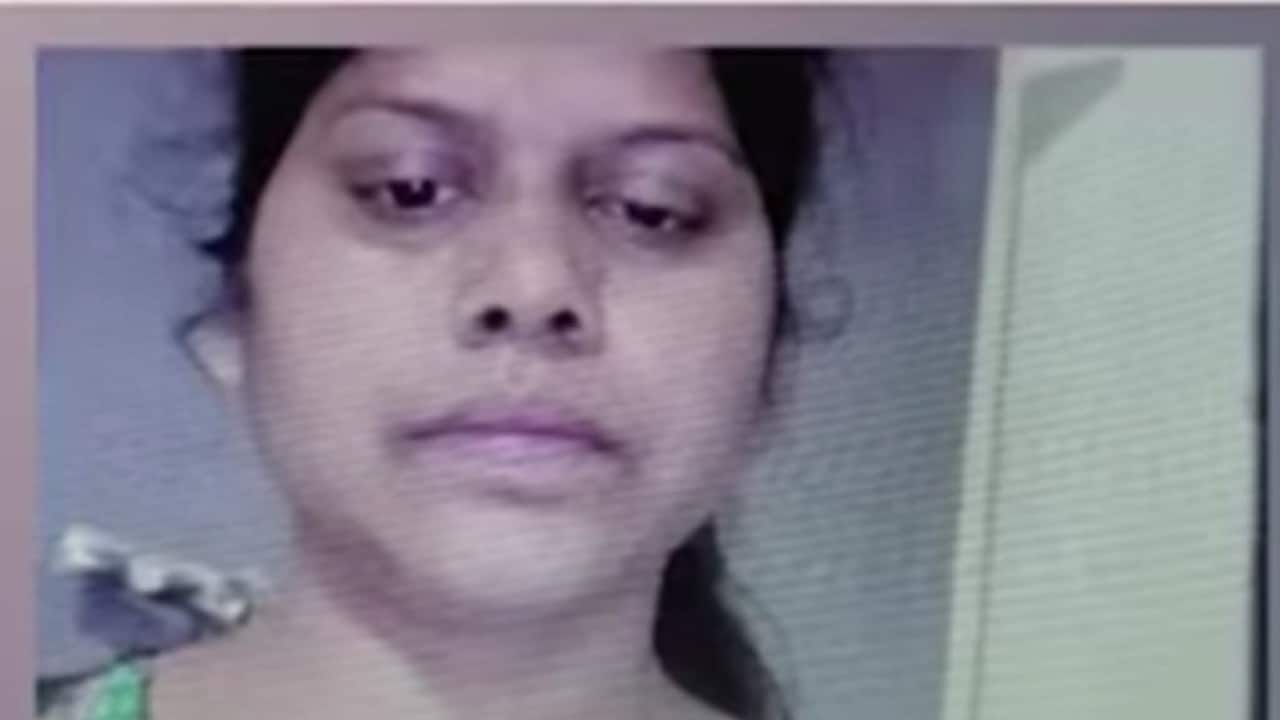
The investigation into Babita Dhakad, also known as Khadija, a woman arrested by the Rajasthan Anti-Terrorist Squad (ATS) in Jaipur on suspicion of being a sleeper cell operative for the Pakistan-based militant group Jaish-e-Mohammed (JeM), has uncovered multiple leads. According to officials familiar with the ongoing probe, these include alleged online radicalisation, attempts to recruit young women, and a possible honey-trap module targeting Indian security personnel.
Investigators allege that Babita had been in contact with handlers based in Pakistan for nearly two years. They suspect she was being groomed for a larger role within the network. Digital evidence related to online training and radicalisation is being examined. Searches on her devices reportedly included content related to suicide attacks and extremist propaganda.
Her mobile phones and other digital devices have been sent for forensic examination to establish the extent of her contacts and activities. Preliminary findings suggest Babita was allegedly trained to use social media to contact Indian Army personnel and attempt to lure them into honey-trap situations. Investigators are reviewing her social media interactions to determine if such efforts progressed beyond initial stages.
Agencies have also found indications that she was in touch with individuals across multiple states and may have been attempting to influence and recruit young women into radical networks. Officials suspect social media platforms were used to spread extremist narratives and identify potential recruits. Another key aspect under investigation is a suspected plan to route financial assistance through cryptocurrency channels. Sources say Babita remained in contact with Pakistan-based operatives through WhatsApp and other encrypted platforms.
The probe is also examining aspects related to religious conversion. According to investigators, Babita adopted the name Kadija and was allegedly influenced by individuals linked to the network. Officials say she used multiple mobile numbers and frequently deleted chats, photographs, videos and other digital records to conceal her activities. Forensic experts are working to recover deleted data.
The Rajasthan ATS is mapping her digital footprint, financial links, associates, and communication channels. Investigators believe further questioning may reveal additional details about the alleged network and its operations. Officials emphasised that these findings are based on ongoing investigations and inputs gathered during interrogation, and all allegations will be subject to verification through evidence and the judicial process.