Jagame Thandhiram’s Reception and Karthik Subbaraj’s Filmmaking Evolution
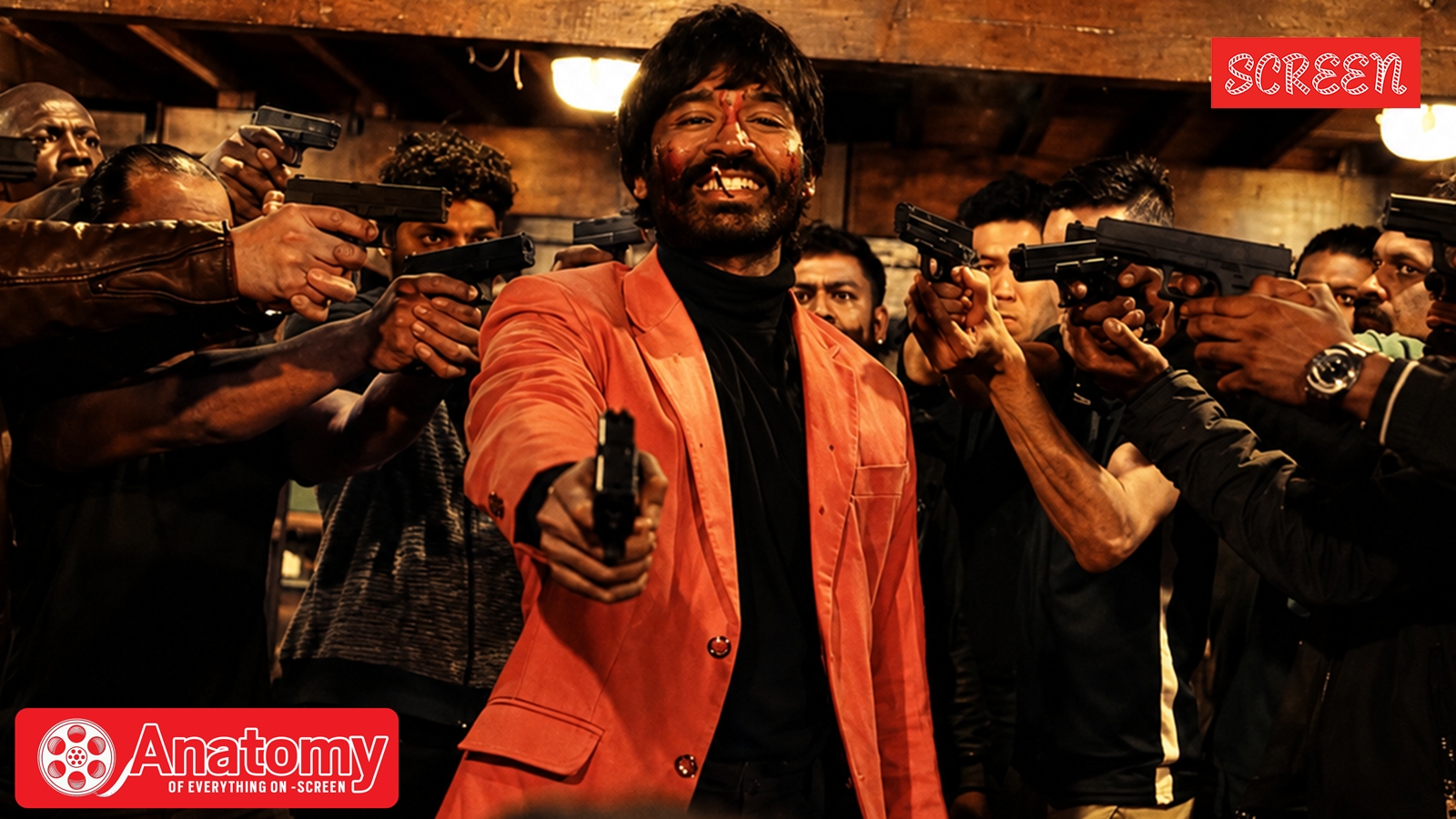
Released directly on Netflix on June 18, 2021, “Jagame Thandhiram” arrived during the pandemic era when many South Indian films skipped theatrical releases. Starring Dhanush and directed by Karthik Subbaraj, the film generated considerable anticipation. It was the first major Tamil star vehicle to premiere on a streaming platform since Vijay’s “Master” earlier that year. Dhanush was coming off the critically acclaimed “Karnan,” and Subbaraj had recently delivered the blockbuster “Petta” with Rajinikanth. The collaboration between the director and the actor, who was then Rajinikanth’s son-in-law, naturally raised expectations.
However, “Jagame Thandhiram” received a mixed response from audiences and critics. While the film’s production values, cast, and ambition were evident, many reviews highlighted shortcomings in its writing and direction. The narrative, centred on a London-based gangster, was seen as uneven, and the central characters failed to resonate strongly. The film’s attempt to blend stylised action with social commentary did not fully come together, leading to criticism that it did not utilise its resources effectively.
Despite the lukewarm reception, industry observers have noted that the experience may have influenced Subbaraj’s subsequent work. Known for infusing his films with social and political themes—from his debut “Pizza” to “Jigarthanda” and “Petta”—Subbaraj has increasingly been willing to foreground these elements. His next major release, “Jigarthanda DoubleX” (2023), a spiritual sequel to his 2014 film, was widely praised for its storytelling and thematic depth. Some critics suggest that the director’s learnings from “Jagame Thandhiram” contributed to the stronger execution of this later project, though such assessments remain interpretive.
Subbaraj’s filmography reflects a director navigating between commercial demands and personal expression. “Jagame Thandhiram,” while not a commercial or critical success, occupies a place in that journey as a work that prompted reflection and, according to some perspectives, a refinement of his craft. The film’s legacy is thus viewed less as a standalone achievement and more as a stepping stone in the evolution of a prominent Tamil filmmaker.