ISRO's Gaganyaan Parachute Test Success Brings Indian Manned Mission Closer
The Indian Space Research Organisation (ISRO) has successfully conducted integrated parachute tests critical for its Gaganyaan mission, India's first human spaceflight program. The tests, carried out on July 3 at the Satish Dhawan Space Centre in Sriharikota, validated the deceleration systems designed to ensure a safe splashdown of the crew module in the sea.
During the test, about 10 parachutes were deployed in a sequence to reduce the velocity of the crew module as it descended from an altitude of 10 to 17 kilometres. The crew module is a pressurised space vehicle that will house astronauts during launch, space travel, and re-entry. The successful deployment of these parachutes is essential to slow down the module before it splashes down into the ocean, ensuring the safety of the crew.
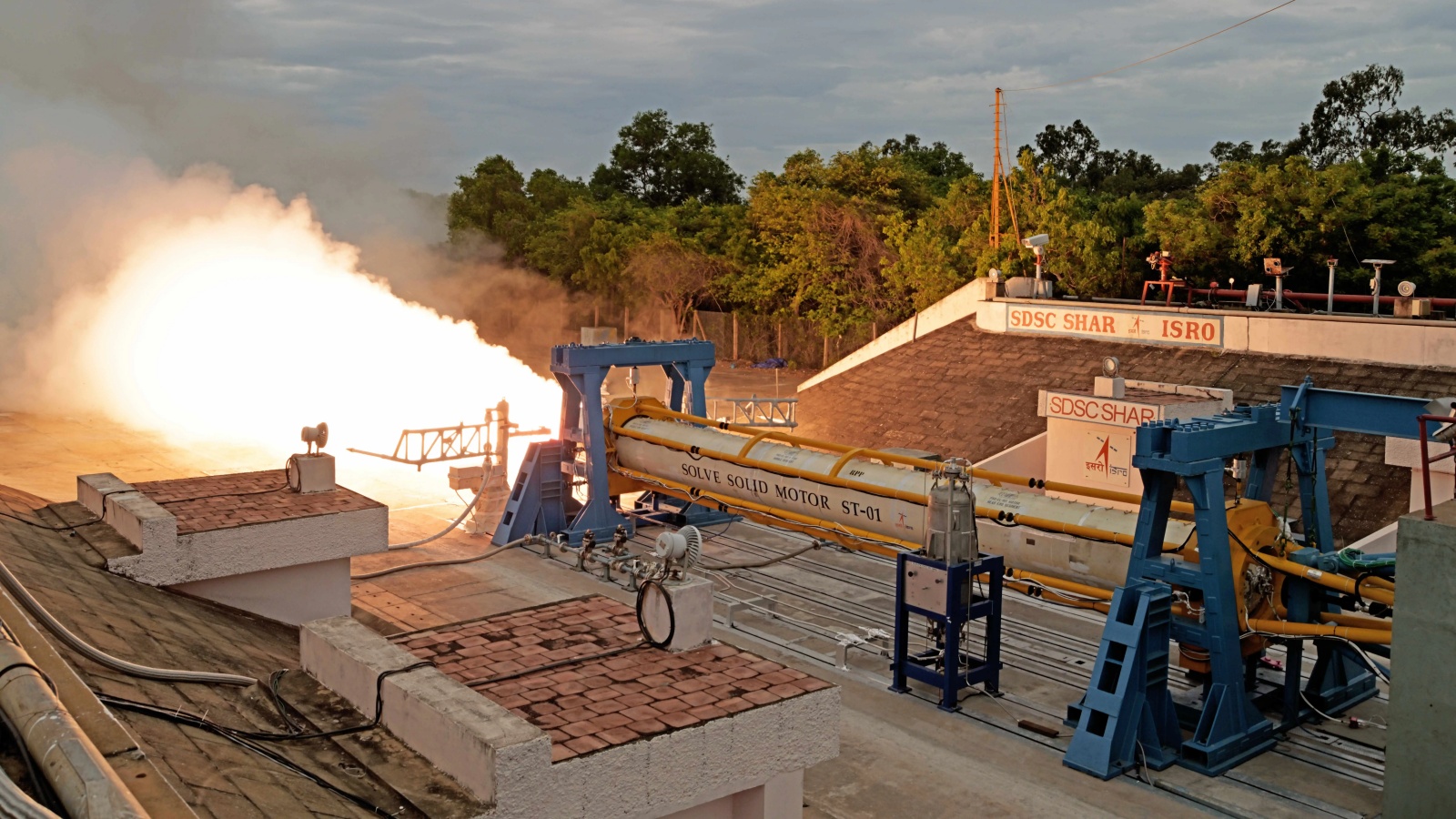
ISRO also announced the development of a solid motor-based Sub-Orbital Launch Vehicle for Experiments (SOLVE). This specialised test rocket will allow the space agency to perform multiple experiments under various conditions, including the separation of the crew module at desired altitudes for further testing.
These parachute tests mark a significant milestone for the Gaganyaan mission, which aims to send Indian astronauts to low-Earth orbit and return them safely. The mission is expected to be launched in the coming years, with several more tests planned to validate critical systems.







