Israel's New Law Exempting Ultra-Orthodox from Military Service Deepens Societal Rifts
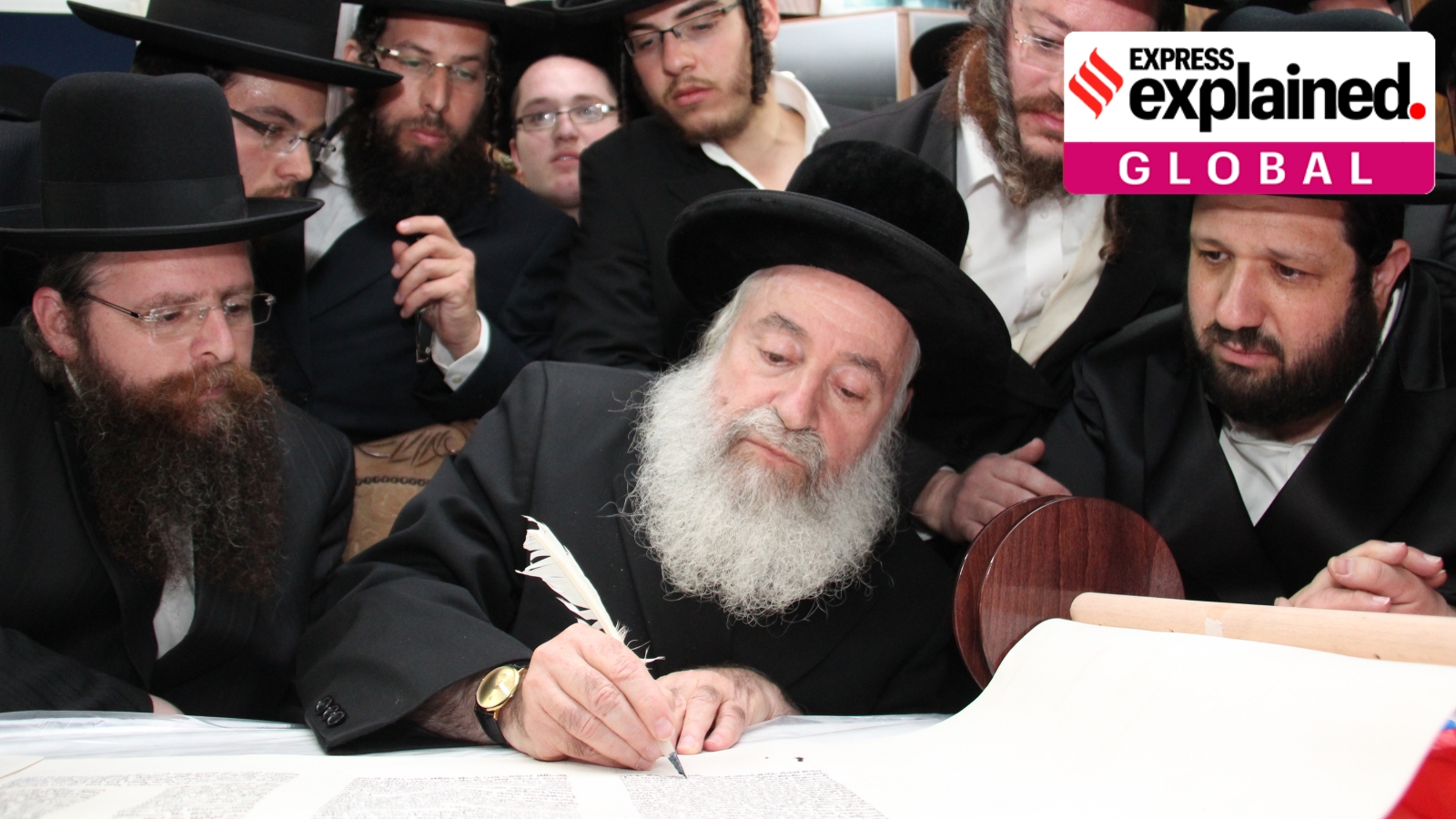
While Israeli soldiers remain deployed in South Lebanon and Gaza, the Israeli Parliament has approved legislation that effectively halts the enlistment of Haredi (ultra-Orthodox Jewish) men into the military. The decision has reignited a longstanding debate about why a particular religious group should be exempt from mandatory service. Some analysts view it as a strategic move by Prime Minister Benjamin Netanyahu to secure support from religious political parties ahead of upcoming elections, while others describe it as a structural challenge for which the state has no easy solution.
The issue of drafting Haredi men has been fiercely debated since Israel's founding in 1948. Over nearly eight decades, it has become a fundamental test of the nation's identity. To understand the implications of this legislation, one must examine the historical, religious, and sociological divisions that define contemporary Israel.
When the State of Israel was established, Prime Minister David Ben-Gurion faced the challenge of unifying a diverse Jewish diaspora. He made unwritten understandings known as the 'Status Quo' agreement, balancing secular foundations with religious traditions. Under the framework of Torato Umanuto ('his Torah study is his occupation'), a small group of about 400 elite yeshiva students were exempted from military service. It was assumed that this number would decrease over time or that these individuals would eventually accept the state's security needs.
Both assumptions proved incorrect. As the secular Labour Party weakened, parties willing to ally with religious groups filled the political vacuum. In 1977, Menachem Begin's Likud party formed a coalition with Haredi factions, removing limits on exemptions. What began as a provision for 400 scholars became a structural exemption for an entire, rapidly growing demographic.
Sociologist Sammy Smooha describes Israel as a 'deeply divided society', noting that the Haredi-secular divide is a clash between two irreconcilable worldviews. Military service in Israel is more than a strategic necessity; the concept of the 'People's Army' has long served as a melting pot where Israelis from diverse backgrounds forge a shared national identity. Secular Israelis view universal service as a foundational element of distributive justice and national cohesion, while Haredi leaders argue that Torah study is equally vital for the Jewish state's survival.
The new law exacerbates this divide. It formalizes exemptions that many Israelis see as unequal treatment, particularly during a time of active conflict. Critics argue that it undermines the principle of shared burden and could erode the IDF's integrative role. Supporters, however, contend that it preserves the religious freedoms necessary to maintain the coalition and avoid internal strife.
As the debate continues, the legislation reflects deeper tensions within Israeli society about identity, equality, and the nature of the state itself. The long-term consequences remain uncertain, but the law has undoubtedly sharpened the lines of one of Israel's most persistent internal conflicts.