Assam raises concerns over organised labour migration from Bangladesh
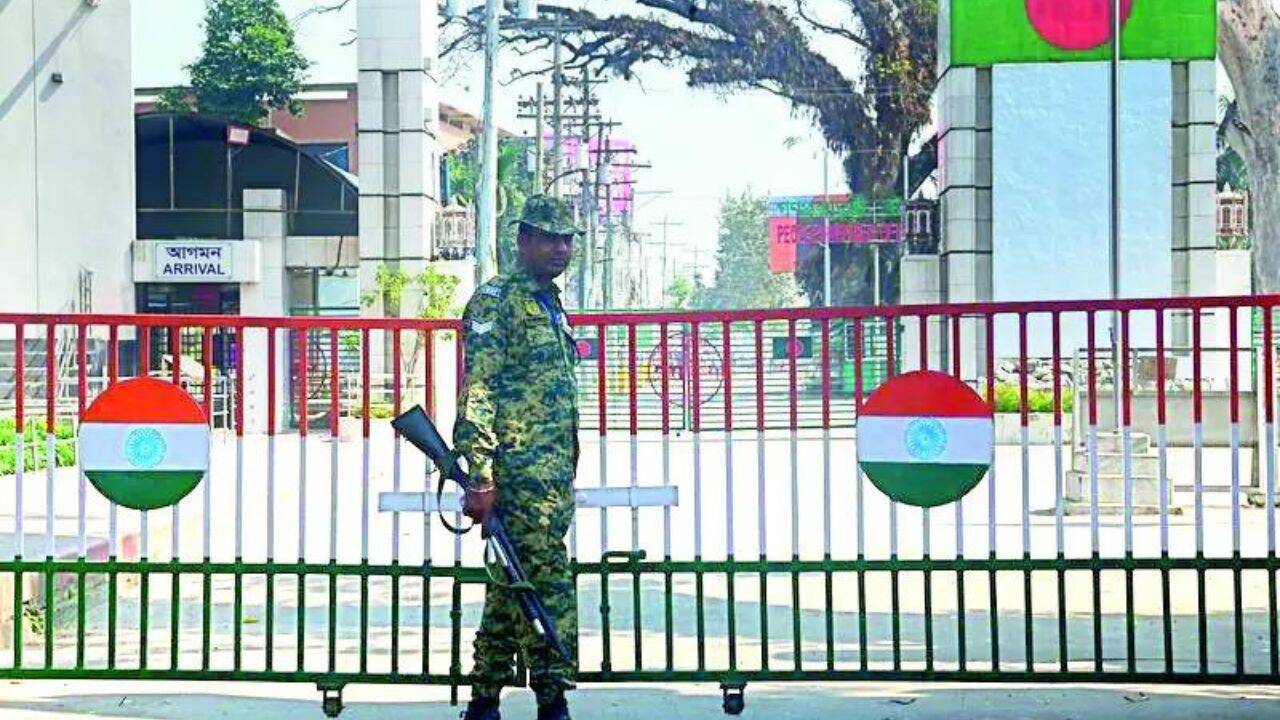
New Delhi: A significant number of Bangladeshi nationals entering India illegally are part of an organised labour supply chain, according to officials from the Assam government. The chain involves touts on both sides of the border who facilitate infiltration, transportation, and forged documentation for low-skilled jobs in sectors such as textile manufacturing, construction, and pharmaceuticals.
The issue was raised by Assam at the all-India conference of superintendents of police of border districts, chaired by Union Home Minister Amit Shah on July 9. The state sought a legal framework to hold Indian employers accountable for exploiting this network to obtain cheap labour.
A senior Assam government official told TOI: "It's an organised eco-system that comprises Bangladeshi recruitment touts who, based on requirements of Indian employers for cheap labour, identify unemployed Bangladeshis seeking low-paid, unskilled jobs in India. Every step, from their illegal entry into India to reaching their job locations, is planned well in advance."
The official said infiltration guides help selected Bangladeshis cross the border, mostly through Meghalaya, Tripura, and West Bengal. Agents on the Indian side arrange their transit to Assam and onward train journeys from Guwahati to job locations across the country.
Local touts help them secure forged documents like Aadhaar before another set of agents hand them over to Indian employers willing to hire them at wages lower than those payable to Indians. Intelligence sources said Bangladeshi headhunters work on labour demand conveyed by agents linked to Indian employers. The network also arranges forged Aadhaar and PAN cards in destination states, enabling illegal immigrants to register as workers and move between work sites.
Assam recently busted one such tout network transporting illegal immigrants from Guwahati railway station to Tamil Nadu to work in a textile factory, leading to 34 arrests. A police officer said: "Armed with the same documents, many went on to project themselves as Indian citizens and even enrolled as voters. Special intensive revision (SIR), however, may have cut their dream run short by requiring proof of their parents' or relatives' presence in the 2002 rolls."