Iran's Supreme Leader Endorses Direct US Talks, Conditions on Agreement
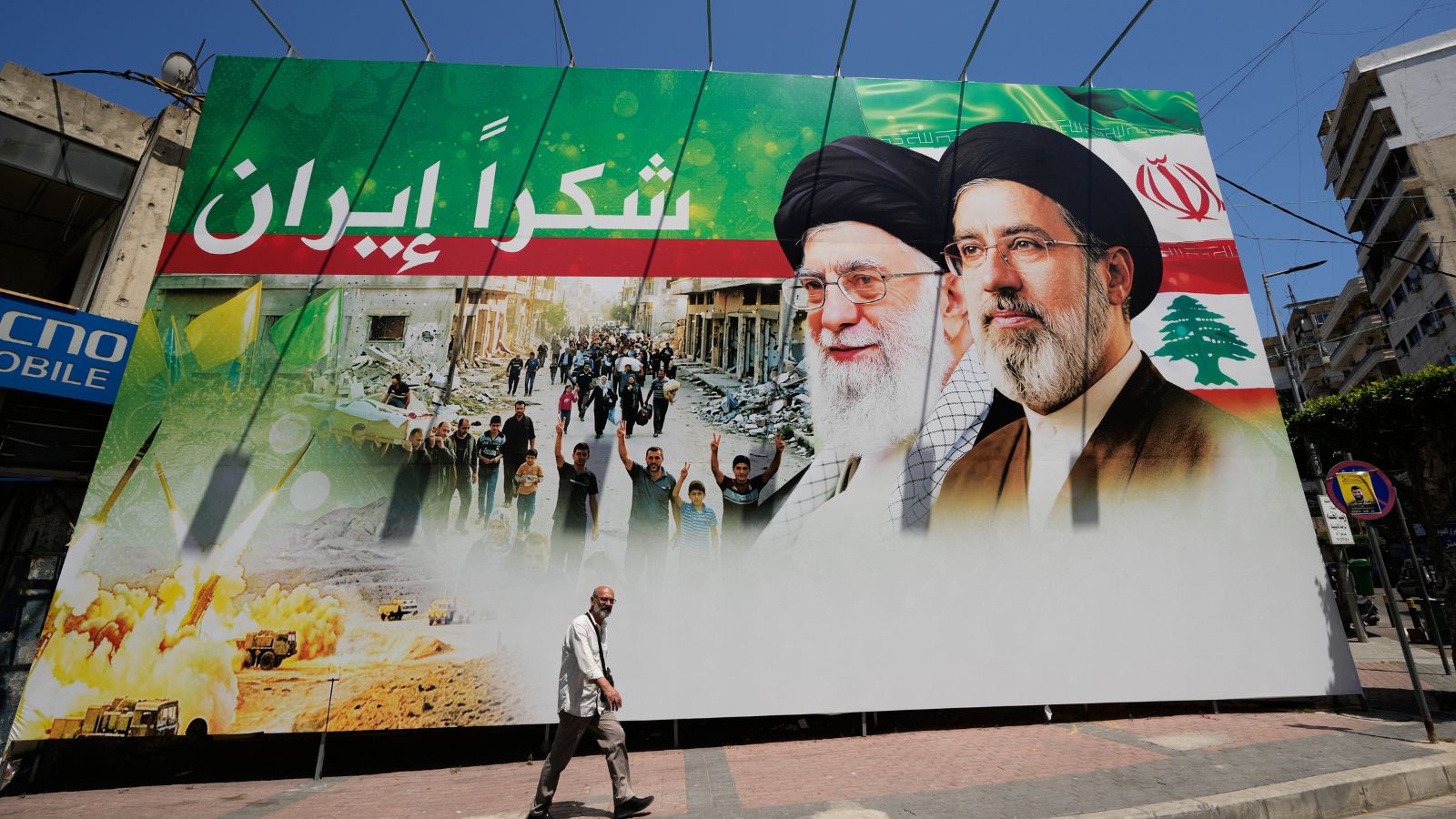
Iran's Supreme Leader Ayatollah Mojtaba Khamenei on Thursday endorsed direct negotiations with the United States, according to a statement read on state broadcaster IRIB. The statement was his first public reaction to a memorandum of understanding (MoU) signed earlier by US President Donald Trump and Iranian President Masoud Pezeshkian, purportedly ending hostilities between the two countries.
Khamenei confirmed he authorised the agreement despite holding reservations, stating that Trump had “out of desperation, resorted to various forms of pressure and leverage to bring about this outcome.” He noted that the authorisation was based on a commitment from President Pezeshkian, as head of the Supreme National Security Council, to safeguard the rights of the Iranian nation and the “Resistance Front,” and on Pezeshkian's explicit acceptance of responsibility.
Khamenei said Iran would now “await the fulfilment of the conditions that have been stated” in the agreement. He also posted an English-language version of his statement on his official X account, warning that if the American side seeks excessive demands, “they will not submit to them.”
In a pointed caveat, Khamenei stated that any future in-person negotiations with Washington would “not mean accepting the enemy's opinion.” This marks a shift from his position in February 2025, when he dismissed direct talks with the US as neither “intelligent, wise, nor honourable.”
Analysts have noted the significance of the change in posture, even as Khamenei's rhetoric retained its characteristic wariness. The reported MoU includes provisions such as the lifting of a US naval blockade on Iranian ports, with Vice President JD Vance claiming that over 12.5 million barrels of oil passed through the Strait of Hormuz overnight—the highest volume since the purported conflict began in late February.
The accuracy of these claims cannot be independently verified. The events described—a US-Iran war ending via a Trump-Pezeshkian MoU—are set in a near-future timeline and are not confirmed by official sources outside the statement itself.