Iran Rejects Trump's 20% Fee on Hormuz Strait, Offers 'Fair' Alternative
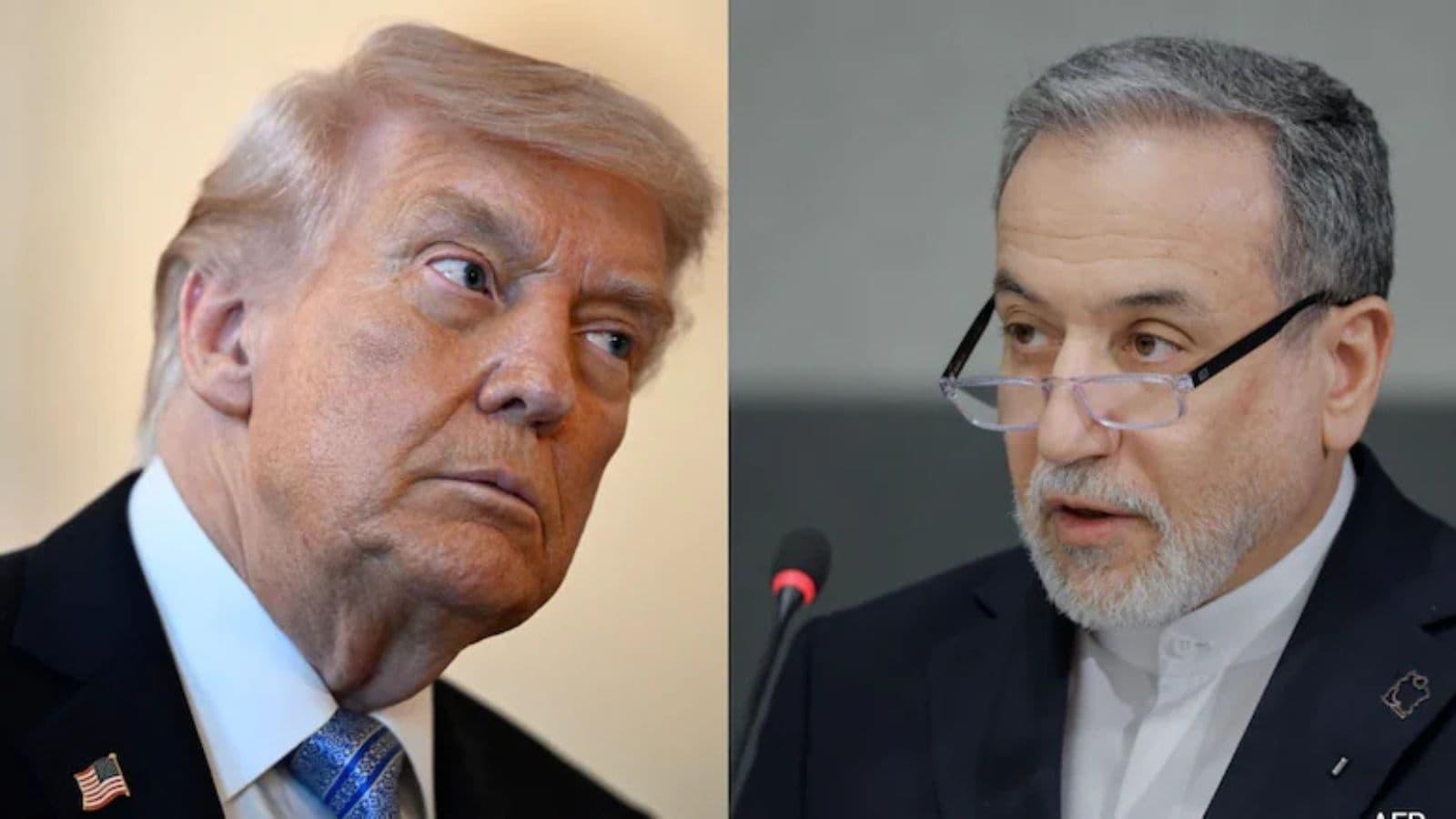
Iran has responded to US President Donald Trump's proposal to charge a 20 per cent fee on all cargo passing through the Strait of Hormuz, with its foreign minister arguing that Iran, not the United States, has historically been the guardian of the strategic waterway.
In a post on his Truth Social platform, Trump declared the US as 'THE GUARDIAN OF THE HORMUZ STRAIT' and demanded reimbursement at a rate of 20 per cent on all cargo shipped, citing the need to cover costs for ensuring safety and security in the volatile region. He also announced that the US Army would resume a blockade of maritime traffic to and from Iranian ports, effective July 14.
Iranian Foreign Minister Seyed Abbas Araghchi responded on X, acknowledging that whoever provides safe passage through the strait deserves compensation. However, he challenged the size of Trump's proposed fee, stating, '20 per cent is of course too much. We will be fair.' He reaffirmed Iran's role as the 'GUARDIAN of the Strait' and vowed to maintain it permanently.
The Strait of Hormuz is a critical chokepoint for global oil and liquefied natural gas shipments, with about one-fifth of the world's supply passing through it. The US blockade earlier this year, from April 13 to June 18, was lifted after an interim deal between Washington and Tehran. That deal, which Iran says grants it the right to control traffic and charge tolls, has been declared 'over' by Trump, though talks reportedly continue behind the scenes.
The exchange comes amid ongoing strikes between the US and Iran, each asserting control over the strait. The US argues that international law guarantees freedom of navigation, while Iran relies on the interim deal. The conflict escalated after US and Israeli strikes on Tehran in late February killed then-Supreme Leader Ali Khamenei, triggering wider Middle East tensions.
The reimposition of the blockade, as announced by US Central Command, instructs mariners to monitor broadcasts and contact US naval forces when operating in the Gulf of Oman and approaches to the strait. The situation remains fluid, with both sides holding firm on their positions.