Trump Proposes 20% Fee on Hormuz Strait Cargo, Iran Rejects US Role
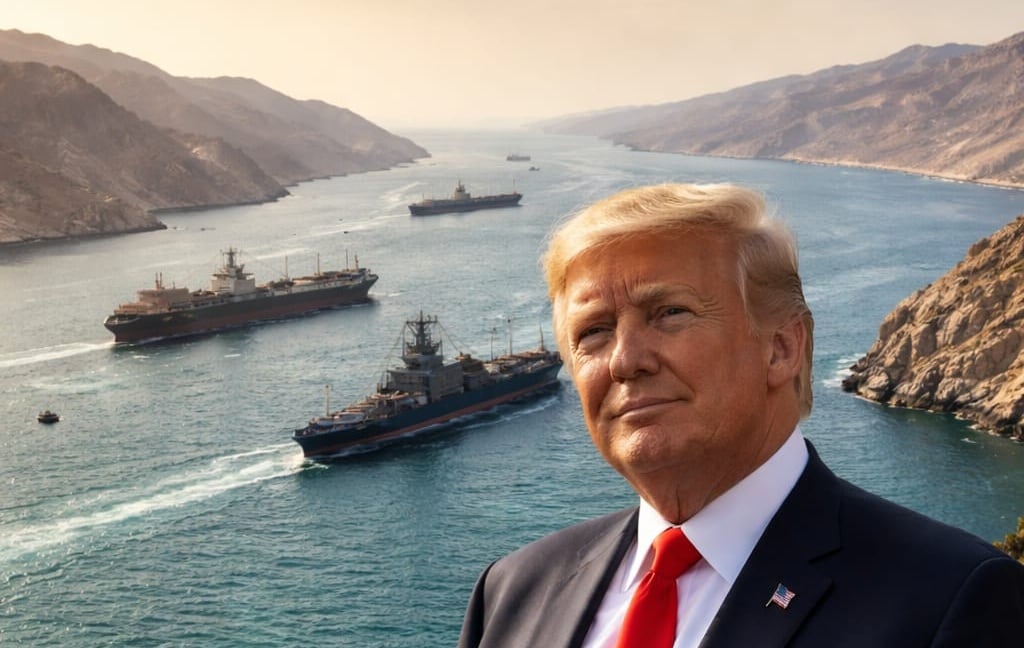
United States President Donald Trump on Monday announced plans to charge a 20 per cent fee on all cargo shipped through the Strait of Hormuz, claiming the US would act as the waterway's guardian. In a post on his social media platform Truth Social, Trump stated the US would be known as 'THE GUARDIAN OF THE HORMUZ STRAIT' and would seek reimbursement for providing security.
Trump also asserted that the strait would remain open to all countries except Iran, declaring a reinstatement of an 'Iranian blockade' to stop Iranian ships from entering or leaving. This followed an earlier interview with Fox News where he said the US was 'taking over' the strait.
Iran responded swiftly. A spokesman for the Khatam Al-Anbiya military command warned that Tehran would not allow US interference in managing the strait and cautioned Gulf countries that cooperation with the US would be considered 'an act of war'. Iran's Persian Gulf Strait Authority (PGSA) announced on X that passage through the strait was currently unfeasible due to hostile US actions, urging those seeking passage to apply via their website once stability is restored.
The Strait of Hormuz is one of the world's most critical maritime chokepoints, handling about one-fifth of global oil and liquefied natural gas supply. The current conflict traces back to US and Israeli strikes on Tehran on 28 February, which killed Supreme Leader Ali Khamenei and triggered broader Middle East tensions. Iran first imposed a blockade following those strikes.
Iran asserts its right to manage traffic and charge fees under an interim peace deal reached last month, a position rejected by the US and other nations citing international law on freedom of navigation. Although Trump suggested the interim deal is 'over', mediators including Pakistan, Qatar, and Egypt continue efforts to finalise a peace agreement.
The US military has also been working to establish an alternative route bypassing Iranian control. As of now, the situation remains tense with both sides asserting control over the strategic waterway.