Iran Bars IAEA Access to Bombed Nuclear Sites, Contradicts US Claim

Iran has stated unequivocally that it will not allow inspectors from the International Atomic Energy Agency (IAEA) to access its nuclear facilities that were bombed during last year's conflict with Israel and the United States. The announcement contradicts a recent claim by US Vice-President J.D. Vance that Tehran had agreed to such inspections.
Foreign Ministry spokesman Esmaeil Baqaei told reporters in Tehran on Tuesday that there are no plans for the IAEA to visit the damaged sites at Fordow, Natanz and Isfahan. 'We have not had a meeting with the director general of the International Atomic Energy Agency, nor do we have any plans for the agency to inspect Iran's nuclear facilities damaged by the U.S. and Zionist military aggression,' Baqaei said.
On Monday, Vice-President Vance had described Iran's willingness to allow UN inspectors as 'a major milestone' and 'the first step in permanently denuclearising' Iran. His remarks followed talks between the two countries in Switzerland, mediated by Pakistan and Qatar.
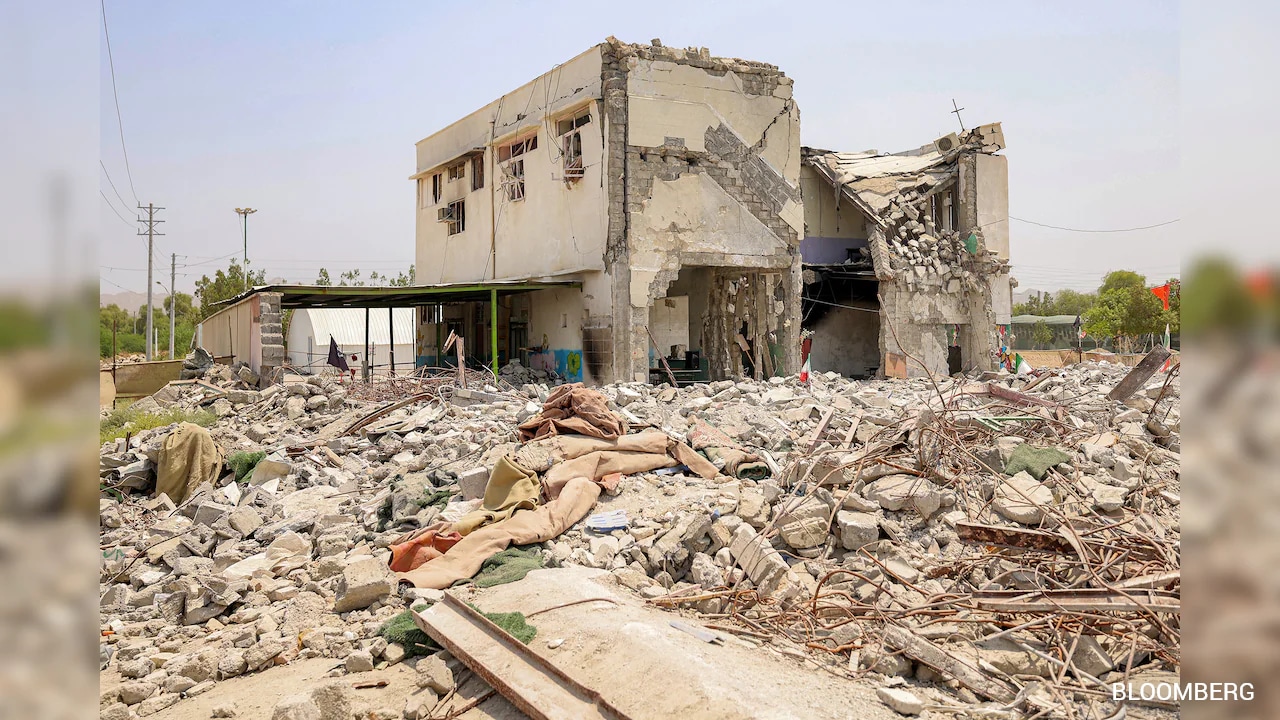
The discord highlights the fragility of diplomatic efforts surrounding Iran's nuclear programme. In June 2025, a 12-day war erupted between Israel and Iran, with the United States later joining. US forces bombed three nuclear facilities, and President Donald Trump claimed to have 'obliterated' Iran's nuclear programme. However, the full extent of the damage remains unclear.
Iran has cited security concerns for denying access to the bombed sites. Under a law passed by its parliament in July 2025, Iran suspended cooperation with the IAEA, criticising the agency for failing to condemn the strikes. While a new framework agreement was reached in September 2025 to resume cooperation, it explicitly excluded the damaged facilities.
'There is basically no protocol in this regard,' Baqaei said, adding that Iran would continue its current procedures as a member of the Non-Proliferation Treaty and a country committed to safeguards agreements.
The development underscores ongoing tensions and the challenge of verifying the status of Iran's nuclear programme after military action.