India's Senior Living Market Set to Reach $14 Billion by 2031 as Retiree Preferences Evolve
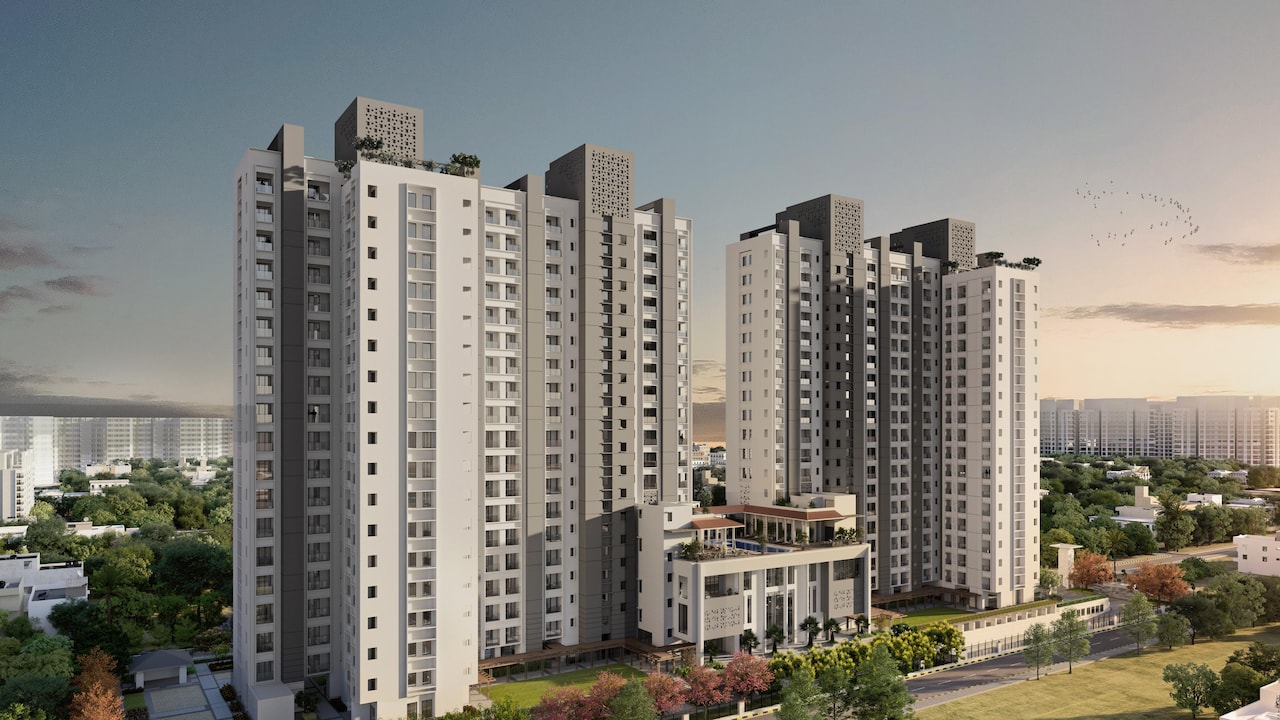
For decades, retirement in India followed a familiar pattern: people worked in cities, saved, and eventually returned to their hometowns. That trend is now shifting, as a growing number of seniors seek active, community-oriented lifestyles rather than simply settling down.
According to a report by Mordor Intelligence, India's senior living market was valued at $3.55 billion in 2025 and is projected to grow to $14.14 billion by 2031. This growth aligns with the country's ageing population, expected to reach nearly 194 million by 2031.
The expansion is most visible in southern India, which accounts for about 60 per cent of the organised senior housing inventory, according to a joint report by JLL and the Association of Senior Living India (ASLI). Cities like Coimbatore, Bengaluru, and Pune have emerged as preferred destinations due to their pleasant climate, healthcare infrastructure, and existing senior living communities.
However, developers are now looking beyond traditional hubs. DLF, India's largest listed real estate developer, recently announced a senior living project in Gurugram spanning 500,000 square feet, with homes priced from Rs 12 crore. The move signals growing confidence in a market that remains largely untapped, with penetration currently at just 1.3 per cent.
Industry experts note that modern retirees are financially empowered, digitally connected, and seeking independence, social engagement, and access to urban amenities. Gurugram, traditionally known for corporate offices and luxury housing, is increasingly being positioned as a retirement destination, driven by its demographic profile and infrastructure.
The shift reflects a broader change in perception: retirement is no longer seen as an end, but as a new beginning for many Indians.