India Demands Accountability for Attacks on Schools and Children at UNSC

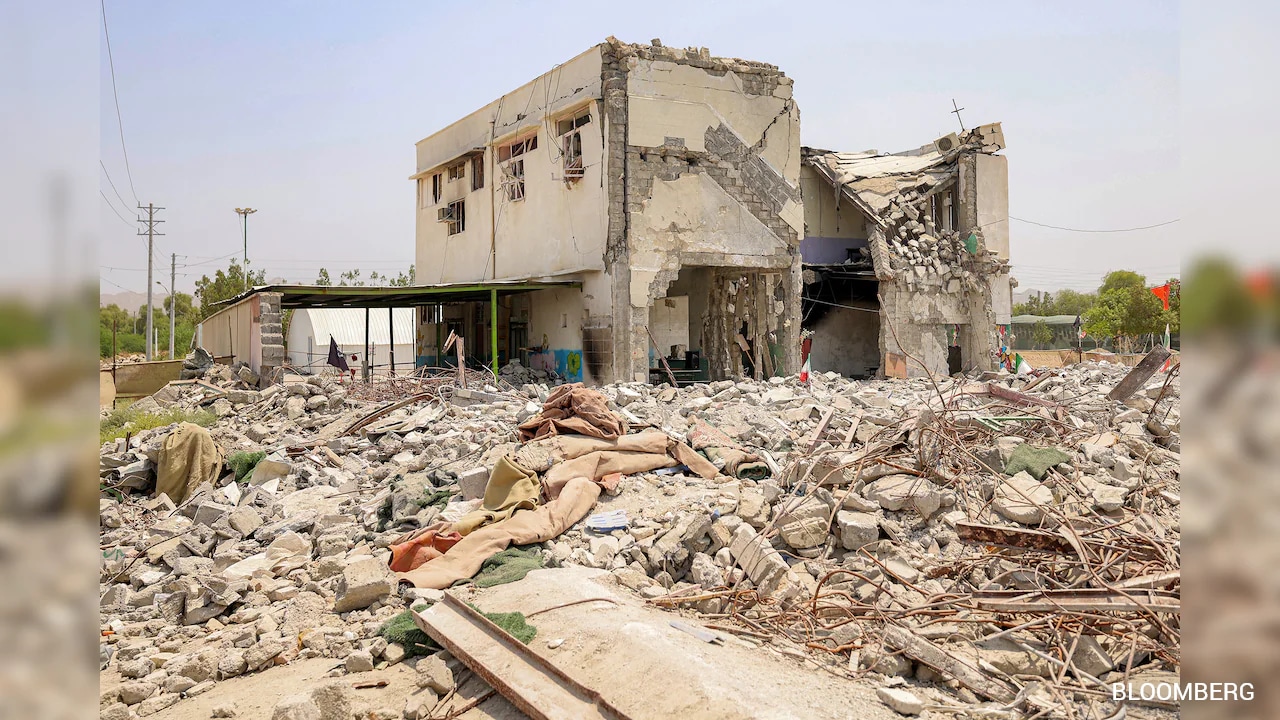
India has called on the United Nations Security Council (UNSC) to hold accountable those who target schools and children with impunity, stressing that protecting children without ensuring accountability is incomplete. The statement was made by India's Permanent Representative to the UN, Ambassador Harish Parvathaneni, during a UNSC open debate on protecting education for children affected by armed conflict.
Addressing the council on Wednesday, 23 June 2026, Parvathaneni emphasised that “protection without accountability is incomplete. Those who target schools and children with impunity must be held to account.” He underscored that education is a right that must endure during conflicts and that fulfilling this right is a powerful contribution to lasting peace.
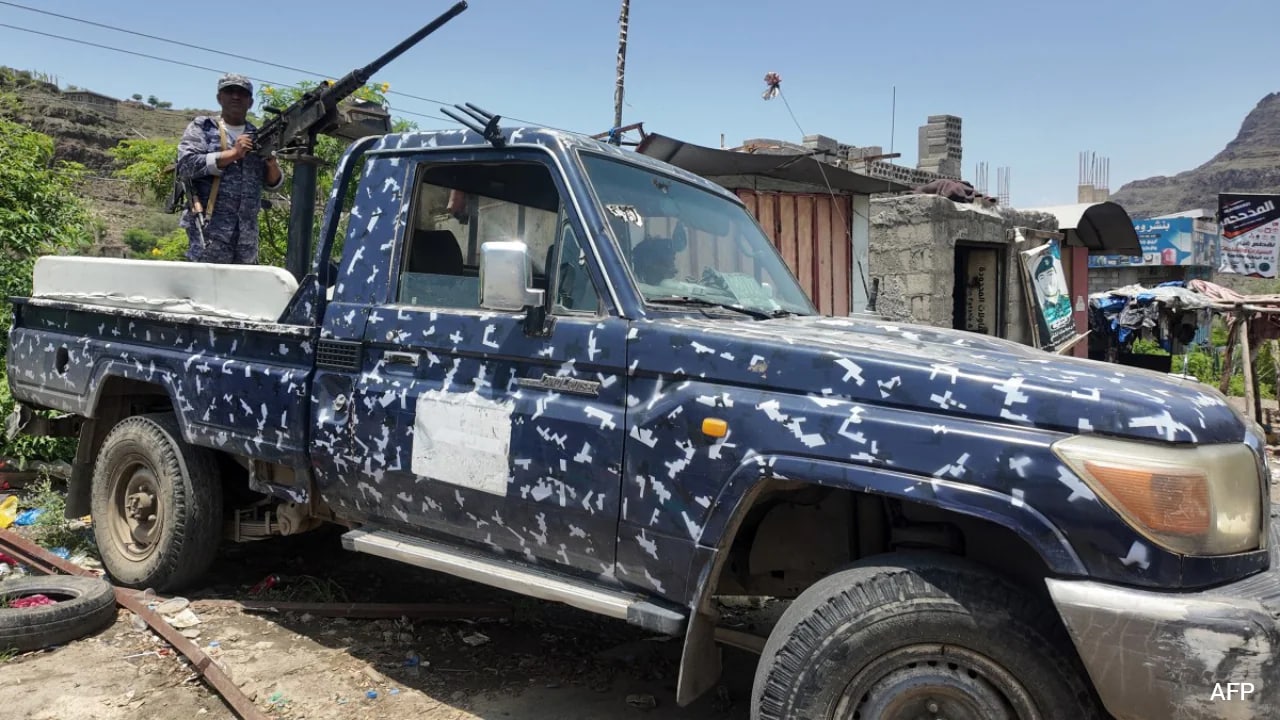
The UN Secretary-General’s latest report on children and armed conflict documented 38,558 grave violations affecting 24,174 children in 2025, the highest number since the mandate began. The report noted that parties to conflict failed to uphold international humanitarian law, committing violations with near-total impunity. Government forces were responsible for the majority of grave violations, including killing, maiming, attacks on schools and hospitals, and denial of humanitarian access.
India highlighted that attacks on schools rose by 44% in a single year. Parvathaneni stated that nearly 473 million children – more than one in six globally – live in or are fleeing conflict zones, and over 85 million have no access to education. He called these figures “a damning verdict on humanity’s collective failure” to turn commitments into reality.
Reaffirming that governments bear primary responsibility, Parvathaneni cited India’s constitutional guarantee of free and compulsory education up to age 14 and initiatives like the DIKSHA digital platform, which provides quality learning through interactive content and AI tools in multiple languages. He argued that digital learning can help bridge gaps during conflicts, as demonstrated during the COVID-19 pandemic.
India’s intervention underscores the urgent need for concrete action to protect children and their right to education in conflict zones, moving beyond normative commitments to effective implementation.