India Cuts Subsidies for Chip Tech Transfer, Land in New Semiconductor Mission Phase
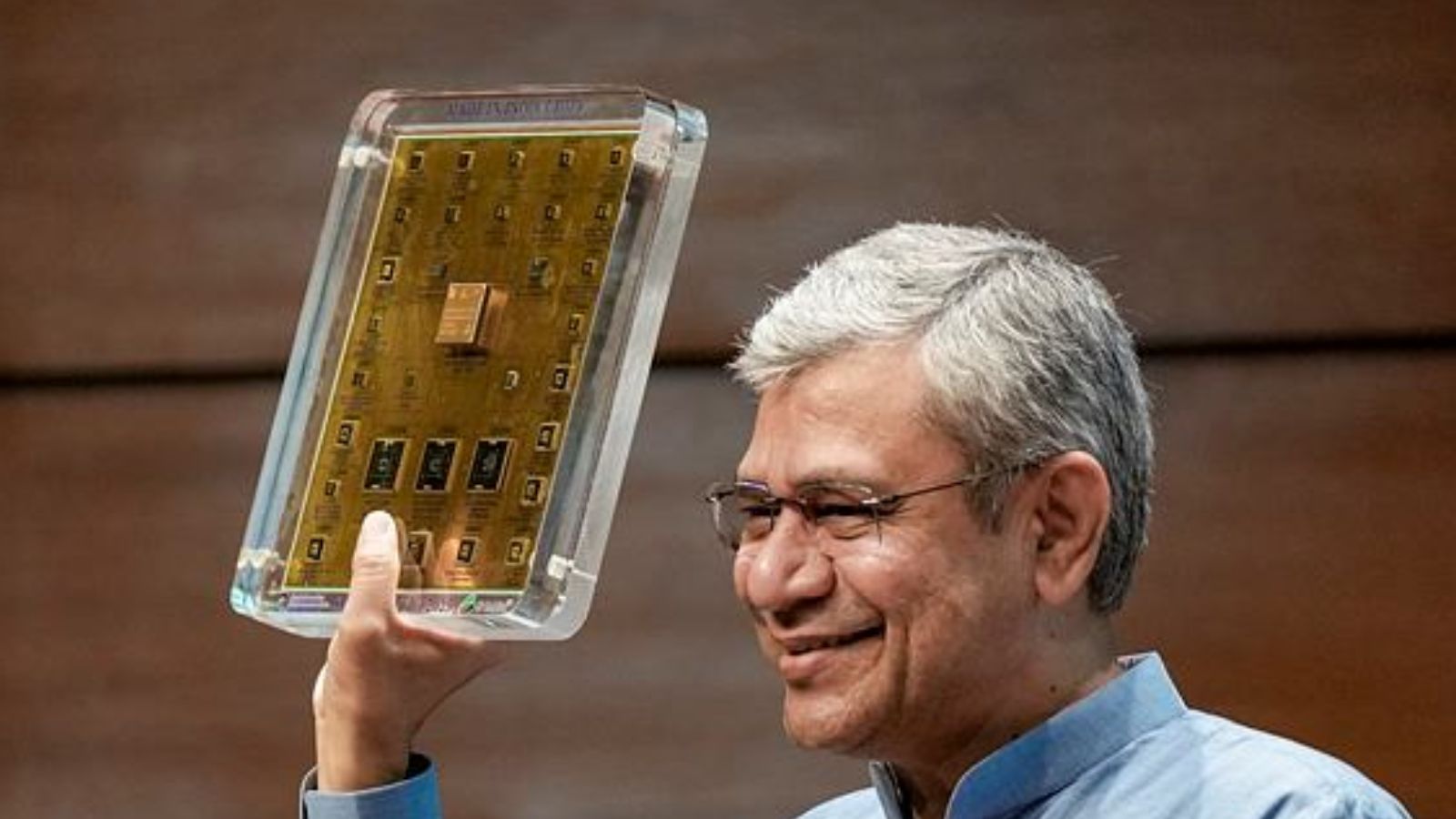
The Indian government has decided to exclude subsidies for technology transfer costs and land acquisition in the next phase of its ambitious semiconductor incentive scheme, according to senior officials. The revised policy, approved by the Union Cabinet on Wednesday, allocates Rs 1.27 lakh crore for the India Semiconductor Mission (ISM) 2.0, with a sharper focus on chip design and the broader supply chain.
Under ISM 1.0, the government had a provision to cover a portion of technology transfer costs for approved companies, but no disbursals were made. Officials cited the difficulty in reliably calculating such expenses as the reason for removing this provision. 'Technology transfer costs are quite opaque. It is almost impossible to reliably calculate the exact amount,' a government official said on condition of anonymity.
Similarly, land acquisition subsidies will no longer be offered, as state governments are expected to take the lead on providing land for chip manufacturing plants. This marks a shift from the earlier scheme, which allowed for central support on land costs.
Technology transfers remain critical for semiconductor manufacturing. For example, Tata Electronics is setting up a fabrication plant in Gujarat with technology from Taiwan's PSMC. However, the new policy signals a recalibration of incentives.
Under ISM 2.0, subsidies for chip manufacturing plants have been reduced. Silicon fabs will now receive a 40% capital expenditure subsidy, down from 50% in the first phase. Other fabs will get 35%, advanced packaging 35%, and conventional packaging 25%. The government will also offer grants and may take equity in chip design companies, particularly those that can attract private investment.
'First would be chip designing, then bringing the broader supply chain ecosystem to India, and then subsidising building of new chip manufacturing units,' a second official said, outlining the new priorities.
The strategic push into semiconductors aims to integrate India into the global chip supply chain and boost domestic value addition in electronics. Semiconductors power everything from consumer electronics to defence systems, and their importance has grown amid geopolitical tensions. By 2029, India expects to cover 70-75% of domestic chip requirements through local design and manufacturing, and by 2035, it aims to be among the top semiconductor nations globally.
Under ISM 1.0, India attracted 12 chip-making projects, including the Tata Group's fabrication facility. The revised scheme is expected to balance fiscal prudence with strategic goals, emphasising design and ecosystem development over manufacturing subsidies.







