India Clarifies Passport Not Citizenship Proof; Only 8% Hold One
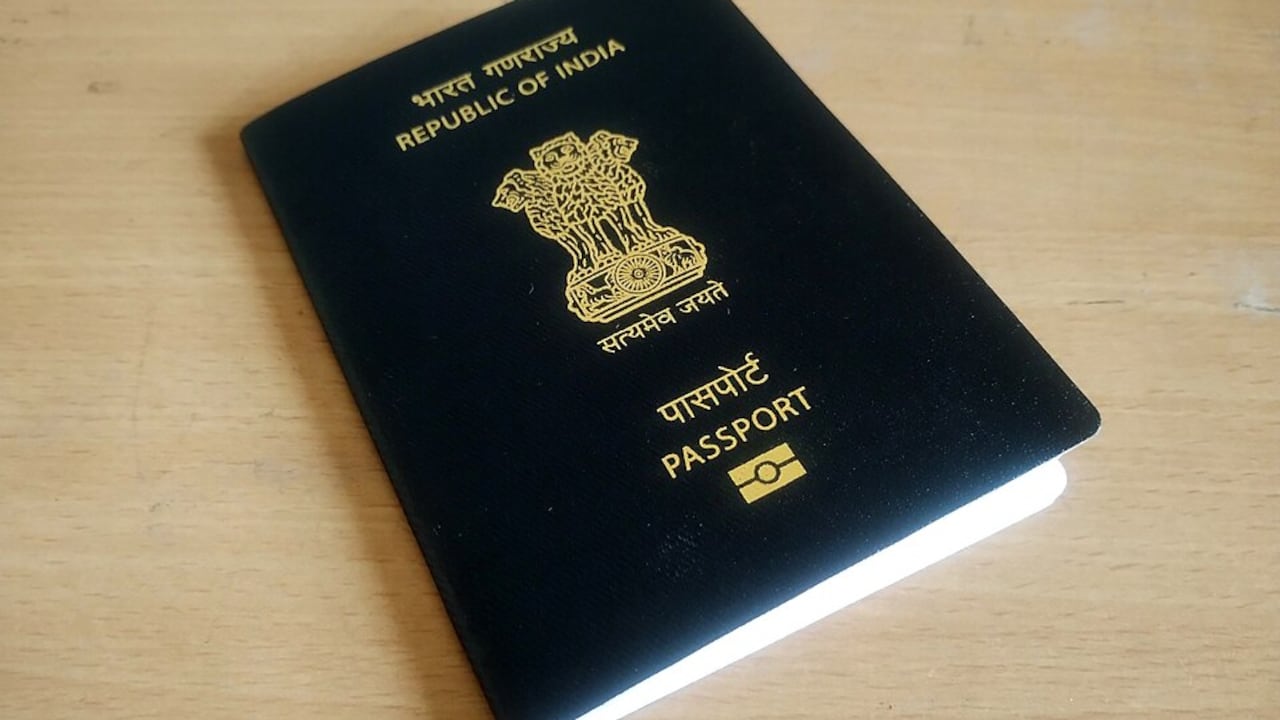
The Ministry of External Affairs (MEA) has clarified that an Indian passport is a travel document issued to regulate the departure of citizens from the country, and not a proof of citizenship. The clarification comes weeks after a political row erupted over whether a passport can be used as evidence of citizenship for electoral roll verification.
Addressing a weekly media briefing on Tuesday, MEA spokesperson Randhir Jaiswal said, "An Indian passport is a document that, as per the Passports Act, 1967, is issued by the Government of India to regulate the departure from India of citizens of India. It is issued after due verification laid out by an established process." He added that less than eight per cent of Indians currently hold a passport.
Last month, on June 24, during a briefing on Passport Seva Divas, the MEA had categorically stated that an Indian passport is strictly a 'travel document' and should not be treated as proof of citizenship. The remarks were in response to a question on whether a passport can be used as proof of citizenship for the Special Intensive Revision (SIR) of electoral rolls being conducted by the Election Commission in several states.
Officials stressed that while passports are issued to Indian citizens, the primary purpose of the document is to enable international travel and establish identity abroad. According to government sources, the Passports Act of 1967 allows passports to be issued to non-citizens as well. The Bombay High Court, in a 2013 judgment, had stated that the mere possession of a passport cannot be considered 'conclusive' or 'definitive' evidence of citizenship.
The earlier remarks had triggered a political row, with many pointing out that passports are issued after exhaustive background checks, including police verification of an individual's residence status. The latest clarification seeks to reaffirm the legal position while providing context on the limited usage of passports among Indians.







