India, China agree to keep LAC dialogue channels open to prevent border misunderstandings
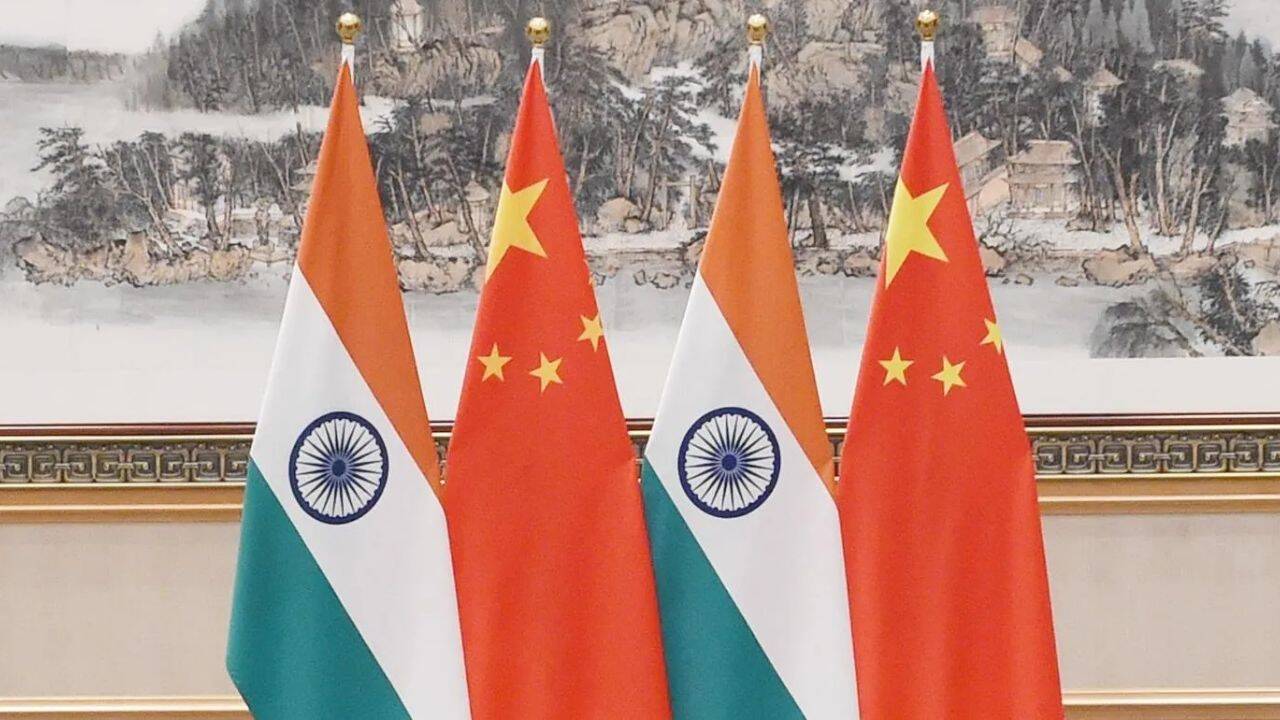
The Ministry of External Affairs (MEA) announced on Thursday that India and China have agreed to continue utilising existing diplomatic and military channels to resolve outstanding issues and prevent misunderstandings along the Line of Actual Control (LAC). The statement came after a round of talks between the two neighbours, underscoring the shared commitment to maintaining peace and tranquillity in the border areas.
According to the MEA, "Both sides agreed to use existing diplomatic and military channels to avoid misunderstanding and miscalculation along LAC." The brief statement did not provide further details, but the agreement reinforces the mechanisms established earlier to manage tensions along the disputed boundary.
The LAC is a loosely demarcated boundary separating Indian and Chinese territory in the Himalayan region. Disagreements over the alignment of the LAC have led to several standoffs in recent years, the most notable being the Galwan Valley clash in June 2020, in which soldiers from both sides suffered casualties. Since then, India and China have held multiple rounds of military and diplomatic talks to de-escalate tensions and create buffers along the border.
The agreement to continue using existing channels is significant as it reflects a mutual desire to prevent a repeat of such incidents. Diplomatic channels include the Working Mechanism for Consultation and Coordination on India-China Border Affairs (WMCC), while military channels include corps commander-level meetings. These mechanisms have been instrumental in managing disengagement and de-escalation at various friction points, including Galwan, Pangong Tso and Gogra.
Analysts note that regular communication is essential to avoid miscalculations in a region where troops are stationed in close proximity. The reaffirmation of the use of these channels comes at a time when both countries are working towards full disengagement and de-escalation from the remaining confrontation points. However, the MEA's statement indicates that both sides are committed to a dialogue-based approach.
The development is part of a series of interactions between the two countries aimed at stabilising bilateral relations. In recent months, there have been high-level meetings on the sidelines of multilateral forums, as well as focused discussions on border issues. While the overall relationship has been strained since the 2020 clash, the two nations have continued to engage on professional and diplomatic levels to manage differences.
It is also worth noting that both India and China are nuclear powers and major economies, and their bilateral stability has implications for regional and global security. Any escalation along the LAC could disrupt peace and affect trade, tourism, and broader geopolitical dynamics. Therefore, the agreement to maintain communication channels is a pragmatic step.
The MEA's announcement did not specify when the agreement was reached or the exact forum in which it was made. Some reports suggest it might have been concluded during a recent diplomatic meeting, but official clarifications are awaited. The ministry's statement is typical of such low-key announcements, where the emphasis is on the outcome rather than procedural details.
Observers will be watching for further developments, particularly regarding the next round of talks to resolve the remaining issues. The use of diplomatic and military channels has proven to be effective in defusing tensions, and both sides have shown a willingness to engage constructively. The continuation of these channels is a positive sign for border peace.
While the statement is short, it carries weight in the context of ongoing efforts to normalise relations. It also sends a message to the international community that India and China are capable of managing their differences through dialogue, despite underlying strategic competition.
In conclusion, the agreement to use existing diplomatic and military channels reflects a practical approach to border management. Further details on the specific outcomes and future steps are expected in due course. Meanwhile, the decision to maintain communication is a reassuring development for those concerned about stability in the region.