Tamil Nadu moves Supreme Court over Cauvery water, says Karnataka ignoring release order

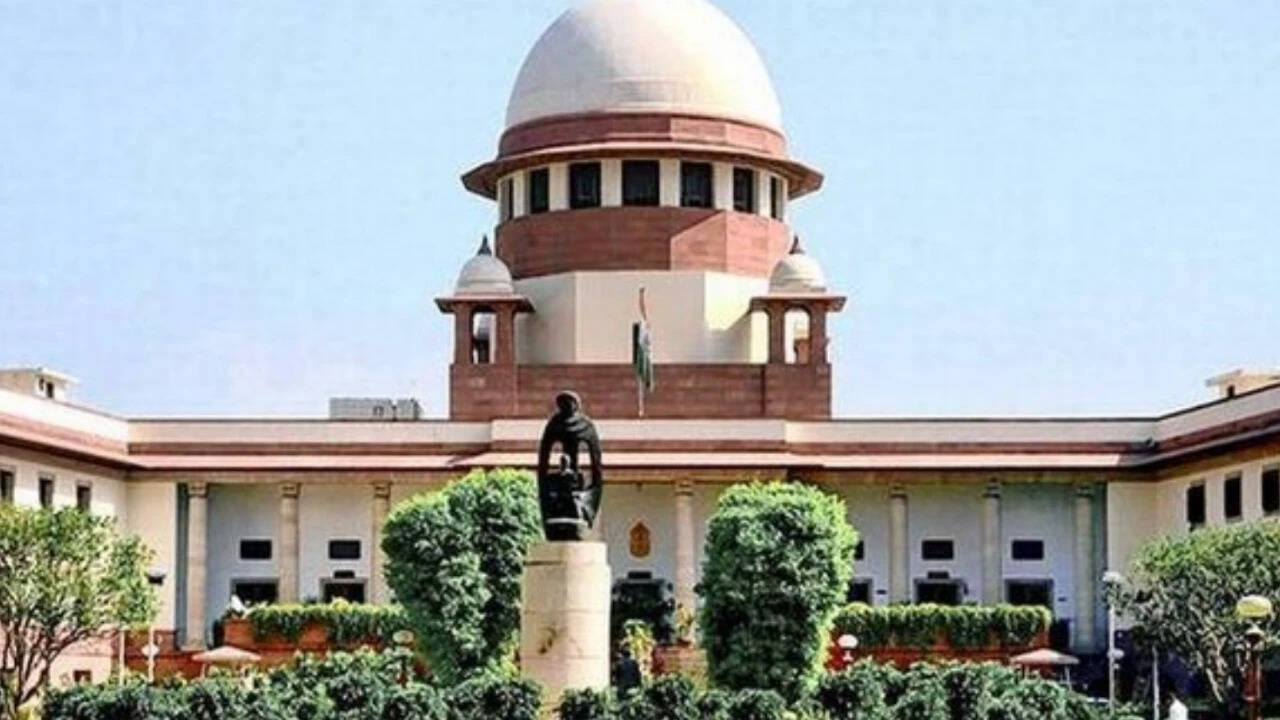
Tamil Nadu made an urgent oral mentioning before the Supreme Court on Thursday, accusing Karnataka of failing to release Cauvery river water since October 23 in violation of a direction issued by the Cauvery Water Management Authority (CWMA).
The submission was made before a Bench headed by Chief Justice of India Surya Kant. Tamil Nadu's counsel, B. Karunakaran, told the court that the CWMA had directed Karnataka to release 3,000 cusecs of water every day, but that the direction had not been complied with.
Warning of the consequences for farmers, Mr. Karunakaran said four lakh hectares of cropped land faced ruin. "Four lakh hectares of land meant for crops will totally vanish... Karnataka is not releasing. Where will we go?" he submitted.
The Bench agreed to list the matter at an early date. A mentioning does not by itself amount to a judicial order on the merits of the dispute; it is a request to have the petition heard sooner than it otherwise would be.
What the dispute is about
The Cauvery rises in Karnataka, flows through Tamil Nadu and empties into the Bay of Bengal, and supports farming communities in both states. Allocation of its waters has been contested for decades. Tamil Nadu has sought assured releases for its delta region, while Karnataka has argued that its own drinking water and irrigation needs, and shortfalls in rainfall, must be accounted for.
The Cauvery Water Disputes Tribunal delivered its final award in 2007, allocating 419 thousand million cubic feet (TMC) of water to Tamil Nadu, 270 TMC to Karnataka, 30 TMC to Kerala and 7 TMC to Puducherry. In 2018, the Supreme Court modified the allocation, reducing Tamil Nadu's share by 14.75 TMC and increasing Karnataka's, while directing the Union government to set up the CWMA to supervise releases. The Authority, along with the Cauvery Water Regulation Committee, issues periodic directions on how much water Karnataka must release, based on reservoir levels and rainfall.
Distress-sharing remains the core issue
Most disputes arise in distress years, when inflows into Karnataka's reservoirs fall short of the levels assumed in the award. On earlier occasions, Karnataka has told the court and the Authority that it cannot spare water without harming its own farmers and drinking water supply, while Tamil Nadu has argued that any shortfall cannot be passed on to its delta farmers, who plan sowing around the release schedule.
The Cauvery question also carries political weight in both states, where governments face pressure from farming organisations and Opposition parties alike.
What happens next
The Supreme Court's decision to list the plea early means Tamil Nadu's application will come up for hearing sooner than it otherwise would. It remains to be seen whether the court issues any interim direction to Karnataka to release water, or seeks responses from the State and from the CWMA.
Tamil Nadu's case rests on the argument that the Authority's directions are binding. The CWMA is a statutory body created in the wake of the Supreme Court's 2018 judgment, and its directions are meant to be implemented by the states concerned.
The report did not carry Karnataka's response to the submissions made in court on Thursday.