India among top users of Iran-designated routes in Strait of Hormuz after US-Iran pact
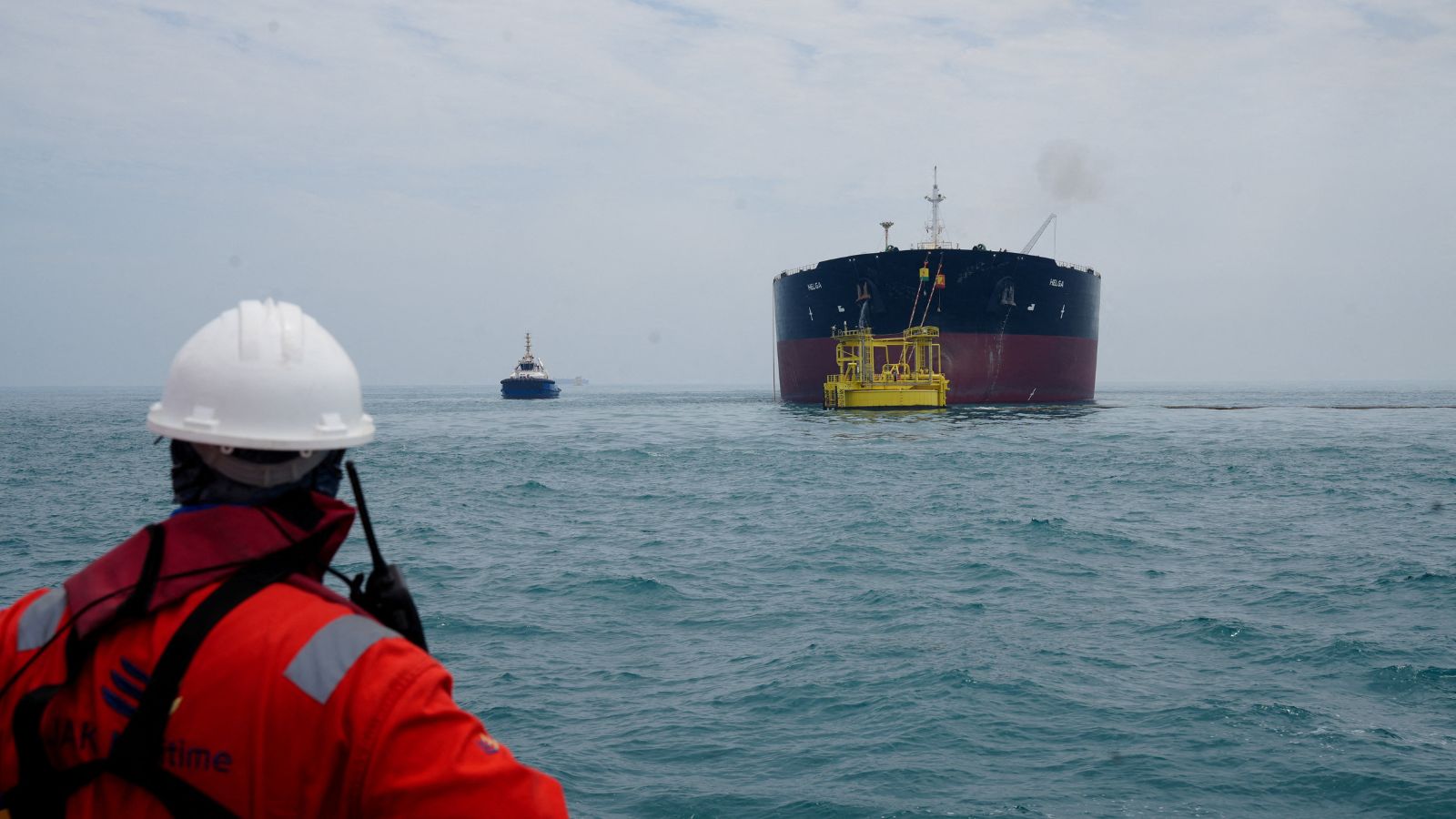
Merchant vessels travelling to and from India were among the top applicants for passage through Iran-recommended routes across the Strait of Hormuz in the three weeks following the June 17 US-Iran Memorandum of Understanding (MoU), according to Iranian data released by the Persian Gulf Strait Authority (PGSA).
The PGSA, established by Iran to regulate maritime traffic through the strategic waterway, reported that over 200 non-Iranian vessels coordinated with it to receive passage permits and insurance coverage during that period. Among vessels seeking to exit the Persian Gulf, those bound for India accounted for 20% of transit requests, second only to China's 21%. Other Asian countries made up 29%, intra-regional movements within the Persian Gulf represented 22%, and the rest of the world had 8%.
For vessels entering the Persian Gulf, India topped the list of origins with a 21% share, followed by China at 19%. Other Asian countries had a combined 20%, intra-region movements accounted for 24%, and the rest of the world had 16%. The PGSA did not provide the absolute number of transit requests, and the data excludes vessels that crossed or attempted to cross without seeking Tehran's permission.
The figures align with trade patterns, as India and China are major destinations for cargo, particularly energy shipments, exiting the strait. India relies heavily on West Asian energy imports: about 40% of its crude oil, 60% of its LNG, and 90% of its LPG come through the Strait of Hormuz. The country's overall import dependence is over 88% for oil, 60% for LPG, and around 50% for natural gas (imported as LNG). Before the war in late February, the strait typically handled a fifth of global oil and LNG flows.
Post-MoU, tensions in the region have resurfaced, leading to a significant drop in maritime traffic. While vessel movements have not completely stopped, they have declined sharply. Iran and the PGSA maintain that the strait is effectively closed to unauthorised traffic. The US and its allies have encouraged vessels to use alternative routes hugging Oman, but maritime data shows that most vessels now follow Iran-designated paths.
During the war, Iran actively regulated vessel flow, allowing only a few to pass via its designated routes. After the June MoU with the US, Iran continued to insist on prior permission and designated routings, and plans to impose a service fee for transits at a later date. US President Donald Trump recently proposed a 20% charge by the US Navy for safe passage, but backtracked the next day.
The situation remains fluid, with ongoing geopolitical tensions affecting one of the world's most critical maritime chokepoints.







