Improv theatre gains ground in Hyderabad with new workshops and clubs

Hyderabad's improv theatre scene is quietly expanding, drawing audiences and performers who relish the challenge of creating stories on the spot. From unscripted games in Banjara Hills to planned improv clubs, the city is warming up to a form of live theatre that thrives on audience participation.
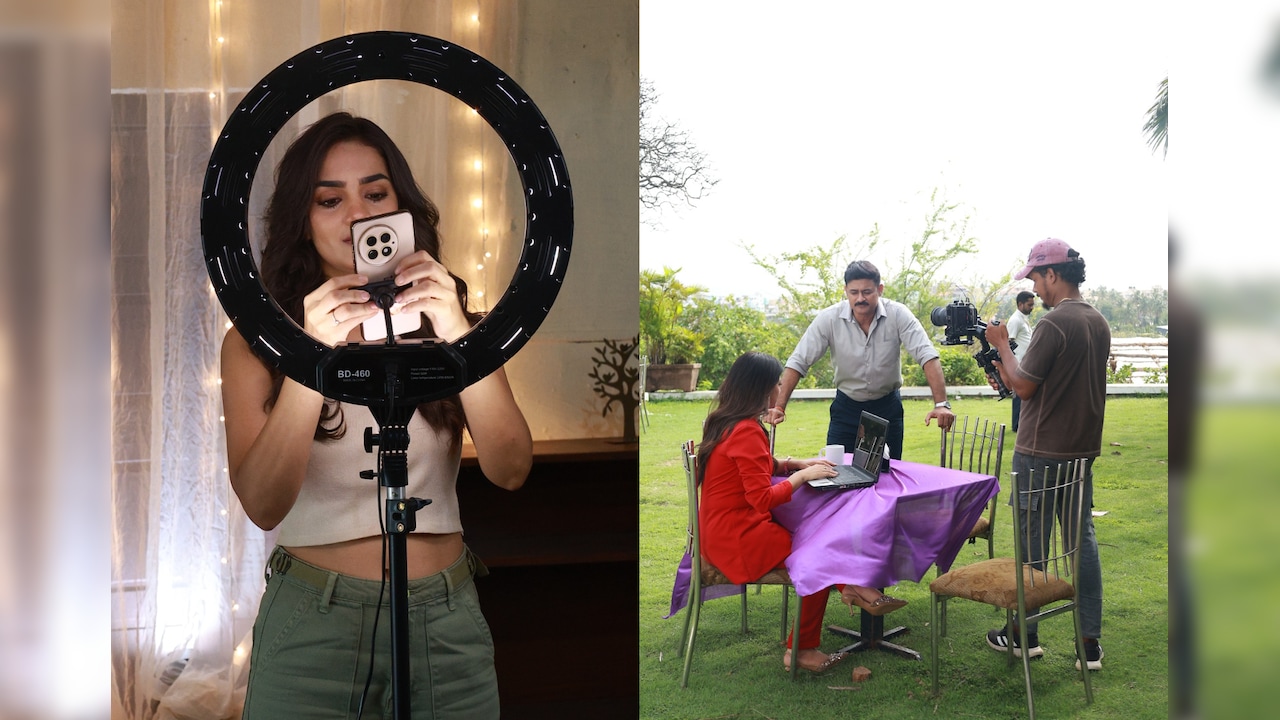
A group of enthusiasts recently gathered in Banjara Hills for a fruit-basket game, listing names of fruits as a warm-up exercise. The session was part of a workshop-cum-production organised by Improv Commune, a collective founded by Jayashree Raj. The group is set to stage a performance with a filmy twist at Rangbhoomi Spaces on August 30, continuing a tradition that Raj has nurtured in the city for nine years.
Improv, short for improvisational theatre, involves performers responding to audience prompts — an idea, a word, a character, or a situation — and building scenes in real time. Unlike scripted plays, the narrative unfolds spontaneously, often leading to unexpected humour and creative exchanges.
One of the city's popular improv shows is led by stand-up comedian Rajashekhar Mamidana, whose work has helped bring attention to the art form. But improv is not just a branch of stand-up comedy, say practitioners. It offers a range of expressions and can be used for personal growth, team-building, and even emotional healing.
Comedy remains a key element, as seen in the work of Vikram Bae-Taal, a theatre group co-founded by Anmona Chaliha and Atul Rastogi. In their workshops, participants are encouraged to jump into scenes, explore topics with their bodies, and take risks. Chaliha, a theatre artist with 18 years of experience, believes improv builds life skills. "Actors need confidence and must learn to trust their bodies, the space and the stage. The art form is a great way to develop these skills," she says.
She also notes a common tendency among newcomers: "They tend to just say funny things instead of building a scene, which makes it more like a conversation than a story." The challenge, she explains, is to commit to the moment. For instance, if a co-actor asks, "Why are you standing upside down?" the response should be "yes" to keep the scene alive, but then the actor must decide whether to physically act on the suggestion or offer something unique. That unpredictability is part of the fun.
For some, improv is more than performance. Jayashree Raj, a software professional at Accenture and a weekend radio jockey at All India Radio, has been using improv for therapeutic purposes since 2017. She has conducted over 25 group workshops focused on mental health and emotional healing. "Improv is not therapy, but it is therapeutic," she says. "Introverts join to express themselves, while non-locals come in search of friends. We create a non-judgmental space where members feel safe and triggers are not touched."
The art form also enhances observation skills. Atul Rastogi, a freelance writer for advertising agencies, says improv has made him more attentive to the world around him. "The characters and situations the audience gives us are either imaginative or inspired by real life. You have to observe and be a scavenger — picking up experiences from people's lives, conversations and what you see, and recreating them on stage," he explains.
The city's growing appetite for improv has led to new platforms. The Pomegranate Collective, a theatre group, is launching an improv club called Cue Ball, which will create a stage for 'spect-actors' — spectators who contribute prompts. The club is set to begin during Dasara and will host monthly sessions where audience members can even come on stage to participate.
Pallavi Verma Minnaganti, co-founder of the Collective and a theatre actor-director, was part of the improv community in 2019. She says team member Priyanka will head the club. "A few of us will prepare and work on the 'formulae' that help us respond to the audience's cues on stage," she adds. Minnaganti also plans to take improv sessions to teenagers in 2027, aiming to introduce younger audiences to the art form.
As improv continues to grow in Hyderabad, practitioners emphasise its value beyond entertainment. It helps people accept uncertainty, think on their feet, and connect with others in a spontaneous and honest way. With more platforms emerging and audiences showing curiosity, the city's improv scene appears set for a lively future.