How China's Strategic Stockpiles and EV Push Quietly Stabilised Global Oil Markets
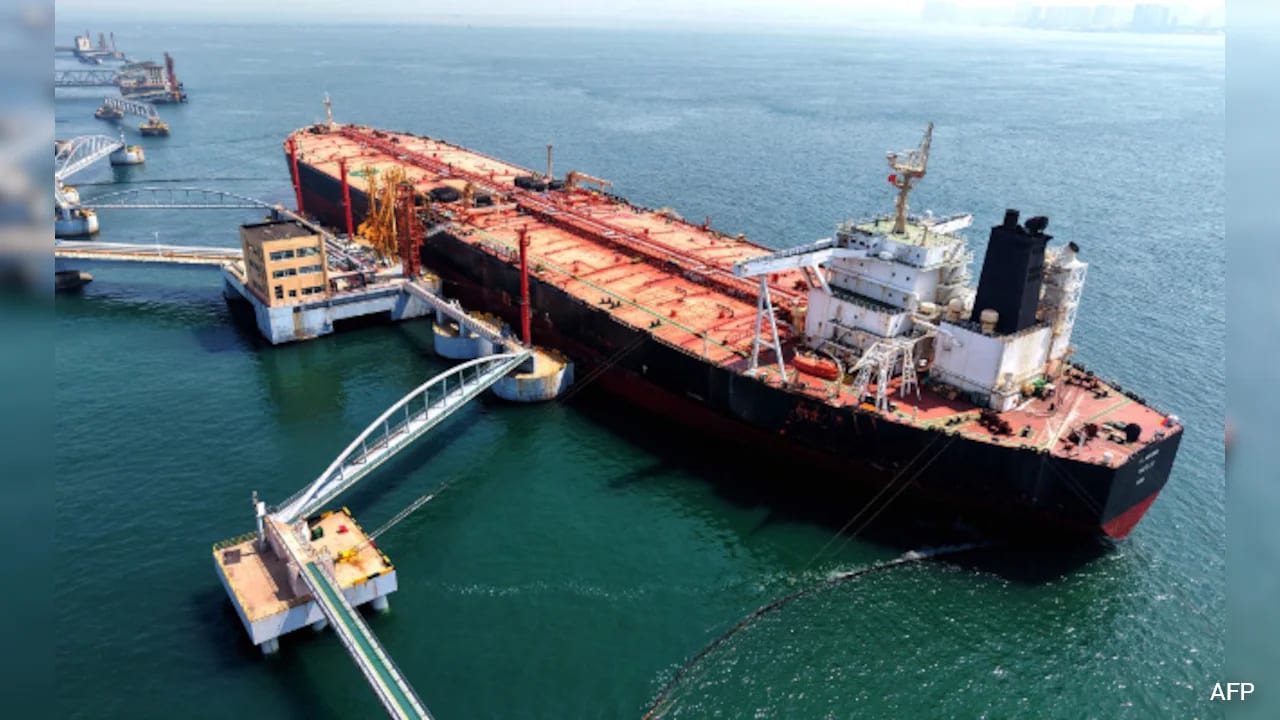
For decades, the global oil market has been largely influenced by the Middle East, OPEC decisions, and geopolitical conflicts. Wars, sanctions, and shifts in trade routes—such as those triggered by the Ukraine conflict—have historically dictated crude prices. However, the recent crisis stemming from the Iran conflict revealed a new major player: China.
During the conflict, the Strait of Hormuz faced disruptions, cutting off access to over 11 million barrels of oil per day—nearly one-fifth of global crude flows. Historically, such a shock would have caused a dramatic price surge. For example, the 1973 Arab oil embargo, which disrupted 7-8% of global supply, led to a 130% price increase. Yet this time, oil prices rose but remained far below the predicted $200 per barrel.
According to Sourav Mitra, Partner - Oil & Gas at Grant Thornton Bharat, China's long-term preparation played a key role. 'As the US-Iran war choked the Strait of Hormuz and stripped away nearly 20 per cent of global crude supply, the world expected a much sharper shock. The reason the impact remained relatively subdued was a quiet recalibration by China,' Mitra explained.
China's recalibration involved years of building one of the world's largest crude stockpiles, estimated at over a billion barrels, partly by purchasing discounted oil from Russia and Iran. When supplies tightened, Chinese refiners drew from inventories instead of rushing to the market. Analysts estimate that China reduced crude imports by nearly 3 million barrels per day during the crisis, effectively releasing crude back into the global market when it was most needed.
'China simply bought less,' Mitra noted. 'It had the ability to reduce imports by a massive three million barrels per day, releasing crude back into the market when it was most needed.' This reduction in demand helped prevent a sharper rally in oil prices.
Beyond stockpiles, China's aggressive push towards electric mobility has also reduced oil demand. Nearly half of all new passenger vehicles sold in China are now electric or hybrid. The International Energy Agency estimates that China's EV fleet displaced roughly one million barrels of oil demand per day last year. Additionally, Beijing tightened fuel export quotas and refiners cut processing rates, further reducing crude purchases.
These factors created what analysts describe as an 'invisible hand' in the market. Instead of competing aggressively for scarce barrels, China stepped back, providing a demand cushion for the rest of the world, including India.
However, the situation may change. China's stockpiles, which helped stabilise the market, will eventually need replenishment. As the country resumes normal import levels, it could become a major buyer again, potentially influencing future price movements.