High Court asks FDA: Why suspend licence despite full compliance? Who pays for losses?
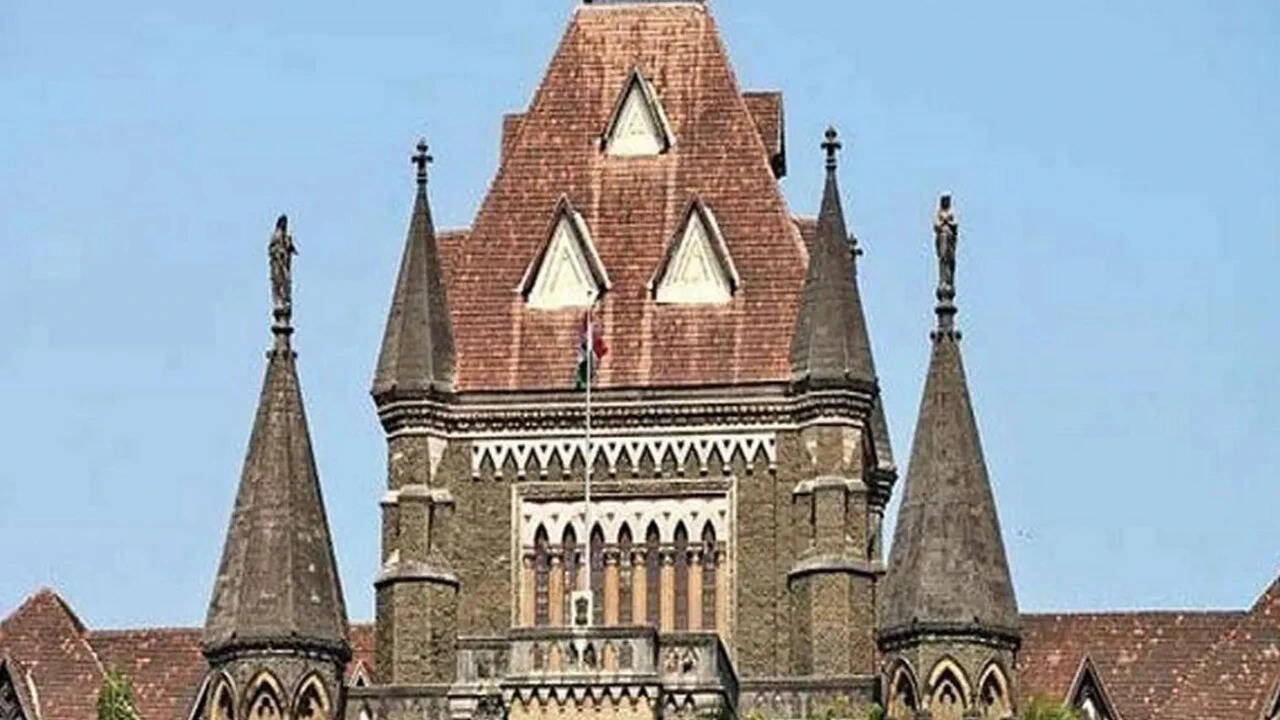
The Bombay High Court on Wednesday questioned the Food and Drug Administration (FDA) over its decision to suspend a manufacturer's licence despite the unit being found 100 per cent compliant with regulatory norms. The court also sought to know who would compensate the company for the losses incurred due to the suspension.
A division bench of Justices [Name] and [Name] was hearing a petition filed by a city-based pharmaceutical company challenging the FDA's order suspending its manufacturing licence. The petitioner argued that the suspension was arbitrary and without basis, as a joint inspection by the FDA and the Central Drugs Standard Control Organisation (CDSCO) had found no violation of the Drugs and Cosmetics Act, 1945, or the rules framed under it.
According to the petitioner, the inspection report explicitly stated that the manufacturing unit was '100 per cent compliant' with the prescribed quality standards and good manufacturing practices. Despite this, the FDA proceeded to suspend the licence, citing 'pending investigations' into certain procedural lapses.
During the hearing, the bench reportedly observed, "If the unit is 100 per cent compliant, what was the justification for suspending the licence? And who will be responsible for the losses suffered by the company due to this action?" The court directed the FDA to file a detailed affidavit explaining the reasons for the suspension, including any material that indicated a risk to public health.
The petitioner's counsel argued that the suspension had caused severe financial loss, disruption of supply chains, and damage to the company's reputation. He submitted that the action was taken without giving the company an opportunity to be heard, violating principles of natural justice. The licence was suspended in [month/year], effectively halting production at the plant, which employed over [number] workers.
The FDA's counsel sought time to file a reply, stating that the suspension was a precautionary measure taken after receiving certain complaints. The counsel assured the court that the FDA would review the inspection report and reconsider its decision in light of the compliance status.
The High Court, while granting time to the FDA, made it clear that if the suspension was found to be unjustified, the authority may have to answer for the consequential losses. The bench also suggested that the FDA consider allowing the company to resume operations under strict supervision, given that the inspection had found no compliance issues.
Legal experts say the case raises important questions about the accountability of regulatory bodies. "If a regulator acts arbitrarily and causes loss to a law-abiding entity, it cannot simply walk away. The principle of proportionality and the duty to act fairly are fundamental to administrative law," said [Name], a senior advocate.
The matter has been posted for further hearing after four weeks. The court has directed the FDA to place on record the complete inspection report and the internal notes that led to the suspension order.
This is not the first time the FDA has faced judicial scrutiny over its actions. In several past instances, courts have criticised the authority for overreach and for failing to differentiate between minor procedural lapses and serious threats to public health. However, officials maintain that their actions are always aimed at safeguarding consumer safety.
The petitioner has also sought interim relief, requesting the court to allow the company to resume manufacturing for export purposes, as the suspension has impacted its contractual obligations to overseas buyers. The court has not yet passed any interim order, but has asked the FDA to respond to this specific prayer.
Observers note that the outcome of this case could set a precedent for how regulatory actions are scrutinised and whether compensation can be claimed against state authorities for arbitrary decisions. The High Court's pointed questions indicate a growing judicial tendency to hold authorities accountable for the consequences of their orders.
The next date of hearing is scheduled for [date]. Until then, the company remains shut, and its employees await clarity on their future.