Hazur Sahib Act Debate: Religious Autonomy or State Overreach?
The Maharashtra government has paused its proposed amendments to the Nanded Sikh Gurdwara Sachkhand Shri Hazur Abchalnagar Sahib Act, 1956, following strong opposition from the Sikh community. Revenue Minister Chandrashekhar Bawankule announced that the legislation will not be introduced in the state legislature until a high-level committee consults Sikh stakeholders and submits recommendations.
While the government's decision has temporarily eased tensions, the core controversy remains unresolved. Sikh religious bodies, scholars, and legal experts argue that the issue is not merely about the composition of a management board but about the constitutional limits of state intervention in the affairs of one of Sikhism's five Takhts. They contend that any changes must respect the community's right to administer its own religious institutions under Article 26 of the Constitution and remain consistent with the representative principles established through the historic Gurdwara Reform Movement.
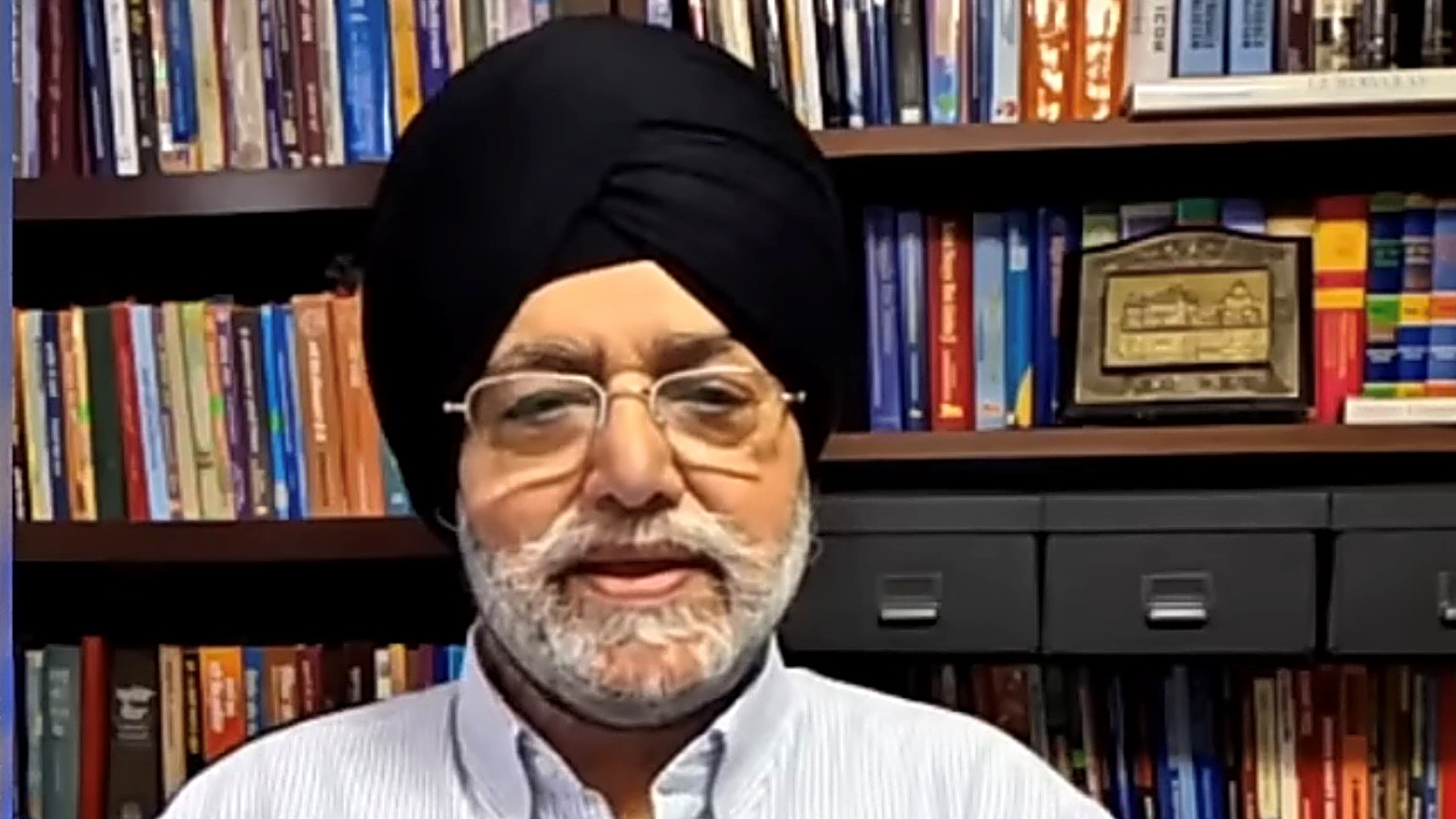
Gurcharanjit Singh Lamba, a New York-based Sikh affairs expert and former editor of Sant Sipahi, explained why the debate has become a constitutional issue. He noted that a Takht is not merely an administrative institution but a supreme religious authority whose management carries deep religious significance. The proposed law, according to Sikh organizations, increases the government's role in constituting the management board while reducing representation from traditional Sikh institutions. They also object to the removal of long-standing institutional representation and the continued role of government officials within the governance structure.
Lamba emphasized that Article 26 of the Constitution guarantees every religious denomination the right to establish and maintain institutions, manage its own affairs, own property, and administer it in accordance with law. He distinguished between regulating secular administration and controlling religious governance: the state can legislate for transparency and financial accountability, but when legislation alters who represents a religious institution or controls its governance, it raises constitutional questions. 'Takht Sahib derives its authority from the Sikh Panth, not from the government. Therefore, any restructuring of its representative character must necessarily involve the Sikh community itself,' Lamba said.
The controversy underscores a broader tension between state regulation and religious autonomy in India. While the government has stepped back for now, the demand for a consultative process that respects constitutional safeguards remains central to the Sikh community's position.







