Hanle Dark Sky Reserve: Ladakh leads fight against light pollution
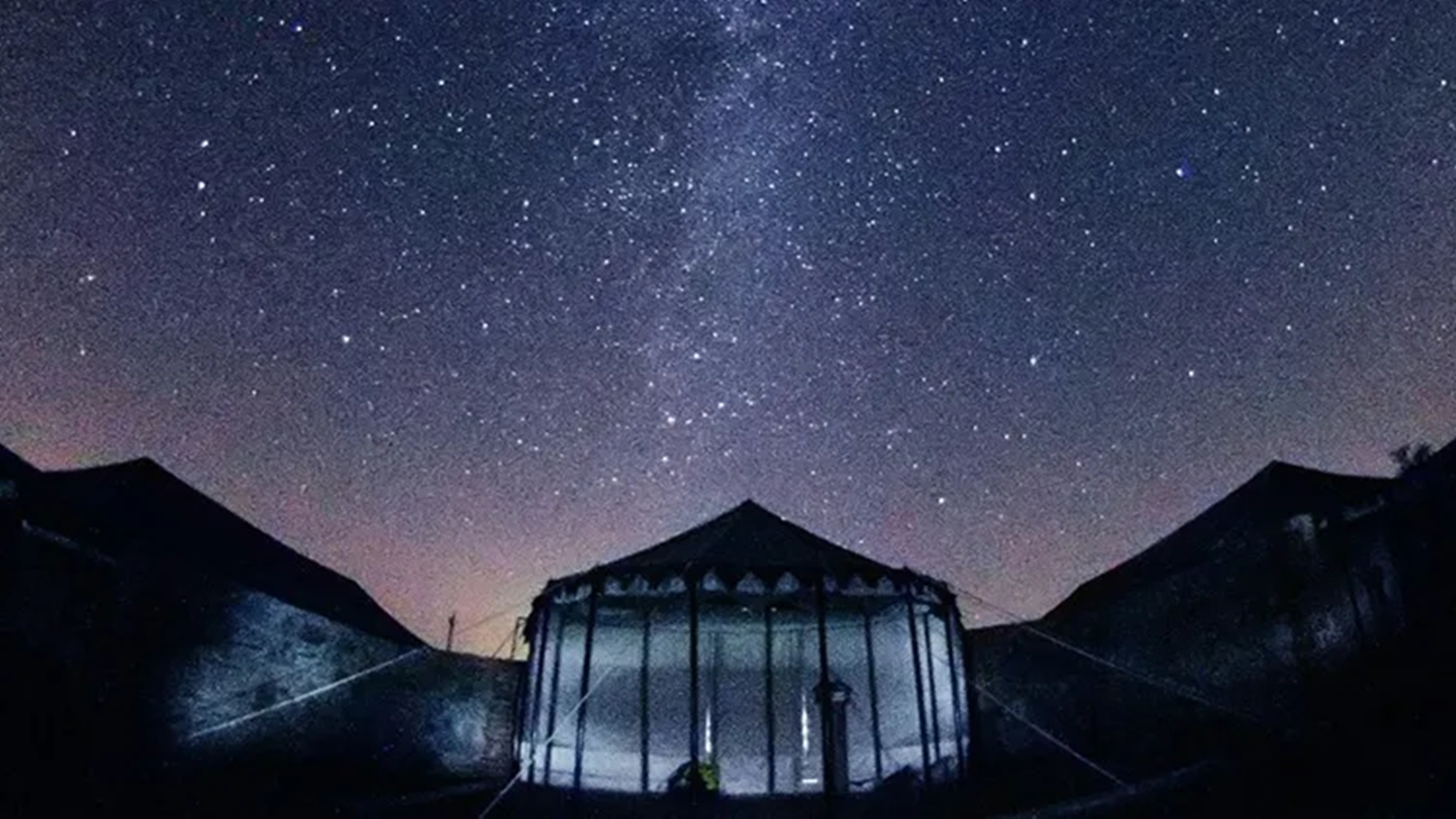
Light pollution is erasing the night sky across the globe, but a new initiative in Ladakh aims to preserve the stars. The Hanle Dark Sky Reserve, part of the Changthang Wildlife Sanctuary, has implemented strict regulations on high-beam lights to protect the natural darkness. The reserve houses India’s second-largest optical telescope and is a hub for astronomical research.
According to a study updated a decade ago, nearly 80 per cent of the world’s population now lives under light-polluted skies. In India, the share is comparable to the global average, while in the United States, it reaches 99 per cent. This loss of night sky has been termed “noctalgia” by astronomers Aparna Venkatesan and John Barentine, reflecting the sorrow over disappearing starry nights.
Beyond aesthetics, artificial light at night has documented health impacts. The American Medical Association’s 2013 study found that artificial illumination disrupts circadian rhythms by suppressing melatonin production, leading to shorter sleep, increased stress, and higher blood pressure, which can contribute to cardiovascular diseases. Nocturnal insects also rely on stars for navigation, and urban lighting interferes with their natural behaviour.
Ladakh Tourism and the Indian Institute of Astrophysics recently organised a week-long festival at the reserve, including stargazing sessions. The reserve’s location in a wildlife sanctuary highlights the link between preserving natural habitats and dark skies. Other Indian states have expressed interest in creating similar reserves, marking a step towards environmental protection.