Madhya Pradesh: 50 Human Deaths, 45 Tiger Deaths Highlight Wildlife Conflict
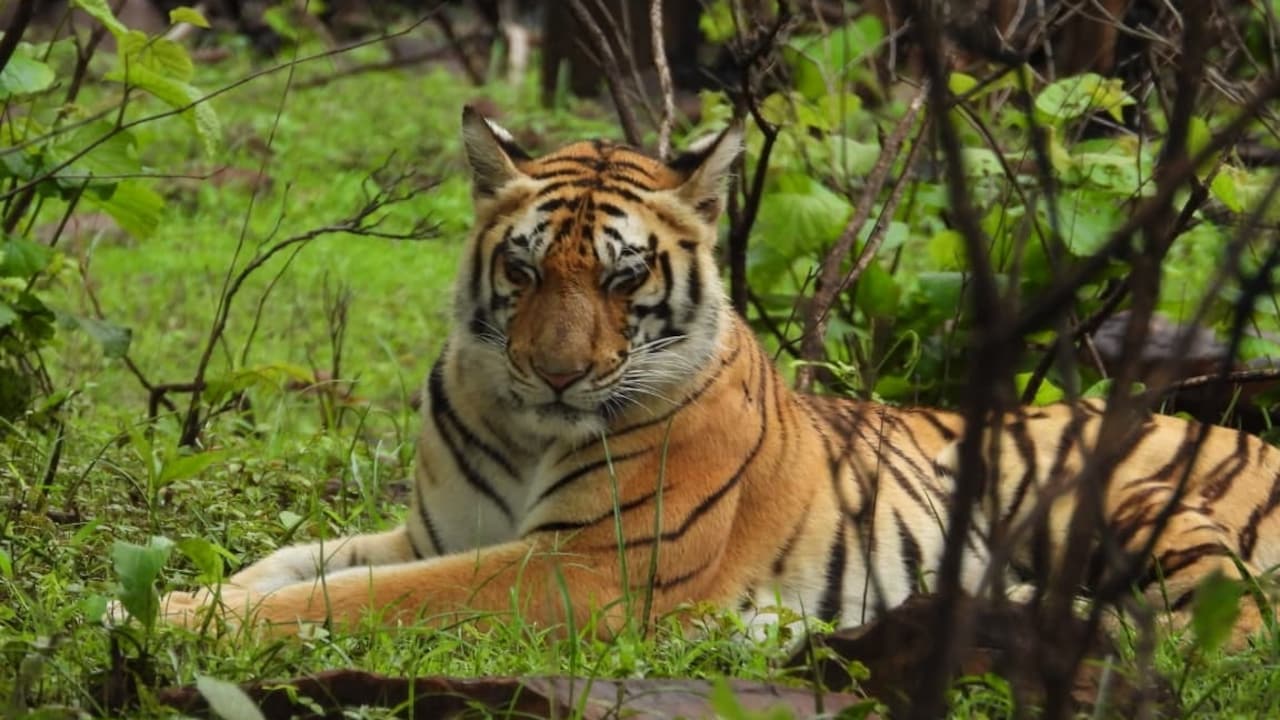
Madhya Pradesh has long been celebrated for its rich wildlife, holding the country's highest tiger and leopard populations. But beneath this conservation achievement lies a troubling reality. In the first eight months of 2026, at least 50 people died in wild animal attacks across the state. During the same period, more than 45 tigers also died, underscoring the complex challenges of managing wildlife in a landscape shared with humans.
According to the Madhya Pradesh Forest Department, tigers caused the maximum number of human fatalities this year. Of the 50 deaths, 22 were due to tiger attacks, eight by wild boars, seven by elephants, four by sloth bears, and one by a leopard. At least 16 of the victims were women and girls, while the rest were men and boys.
The period between March and May recorded 30 of these deaths, with seven in March, 13 in April, and ten in May. These months coincide with the collection of tendu leaves and mahua flowers in forest areas, when many villagers—particularly from tribal communities—enter or traverse forest fringes for their livelihoods.
Geographically, the tiger attacks were concentrated in the Mahakoshal region, especially in and around Seoni, which accounted for 14 of the 22 fatalities. This area is often associated with the forests that inspired Rudyard Kipling’s The Jungle Book. Seven more tiger-related deaths occurred in the Bandhavgarh Tiger Reserve and adjoining areas, which host some of the densest tiger populations in the state.
Other animals also contributed to the toll. Wild boars killed eight people in various districts. Elephants claimed seven lives, mostly in eastern districts bordering Chhattisgarh, such as Anuppur, Sidhi, and Shahdol. Three of the four deaths caused by sloth bears were also reported from the same eastern belt.
These deaths are part of a persistent trend. Between 2020-21 and 2024-25, the state recorded 406 human fatalities due to animal attacks, along with 5,804 injuries and 72,627 cases of livestock loss. The number of deaths varied from 90 in 2020-21 to 71 in 2024-25, with no significant decline over the years.
The financial burden is equally significant. During the same five-year period, Madhya Pradesh paid over Rs 88.38 crore in compensation for human deaths and livestock losses. In 2024-25 alone, the payout exceeded Rs 20.05 crore, while it was more than Rs 19.71 crore in 2022-23.
Forest Department officials describe an expanding geography of "conflict zones" where human settlements, farms, and livelihood activities increasingly overlap with wildlife corridors. With the state having the highest number of tigers and leopards in the country, extensive sloth bear habitats, and a growing elephant presence in its eastern districts, the interface between humans and wildlife is becoming more frequent. Roads, railways, and infrastructure projects further fragment these habitats, bringing animals and people into closer proximity.
Contrary to the belief that attacks occur deep inside forests, many encounters happen on forest fringes where villagers collect firewood, graze cattle, gather forest produce, or cultivate fields near the forest edge. Addressing this crisis requires a balanced approach that ensures both conservation goals and the safety of local communities.