Gujarat High Court grants bail, criticises sessions court for overstepping jurisdiction
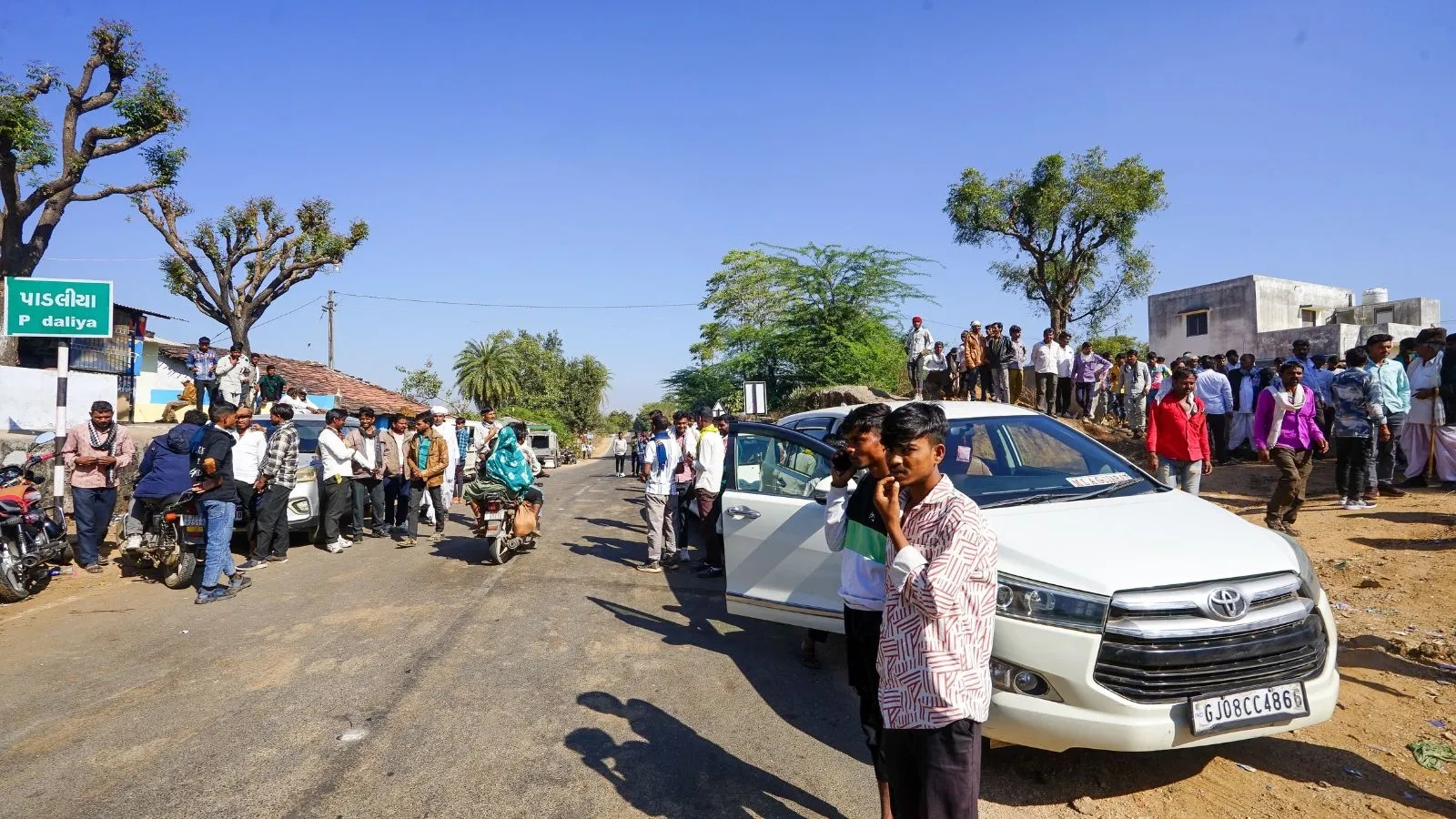
The Gujarat High Court on Thursday granted bail to three men accused of being part of a mob that allegedly attacked forest and police officials during a plantation drive near Ambaji in December 2025. The court also strongly criticised an earlier order by a sessions judge, stating that it had 'well exceeded its jurisdiction' and ran counter to findings recorded by the High Court itself in related proceedings.
Justice Nikhil Kariel, hearing the regular bail applications, described the sessions court's order as 'a very disturbing aspect'. The sessions court had, while rejecting the bail pleas earlier, made observations that appeared to conflict with the High Court's own findings. It had also directed that copies of its order be sent to senior officials for implementation of Supreme Court guidelines on mob lynching.
The High Court noted that the chargesheet had already been filed and that no material evidence, such as a video recording, was produced against the applicants. Their implication rested substantially on self-incriminatory statements. The court also relied on an earlier bail order granted to a co-accused with a similar role.
The three accused were granted bail on furnishing bonds of Rs 10,000 each with sureties. Conditions include surrender of passports and cooperation with the investigation. The alleged prime conspirator was additionally barred from entering the Ambaji police station jurisdiction for six months and must mark his presence monthly at Danta police station.
The FIR invoked offences under the Bharatiya Nyaya Sanhita, the Prevention of Damage to Public Property Act, and the Gujarat Police Act. The prosecution alleged one accused was the prime conspirator armed with an axe, while the others carried a stick and a wooden log.
Justice Kariel held that the sessions court had exceeded its jurisdiction under Section 483 of the Bharatiya Nagarik Suraksha Sanhita. The High Court directed that copies of the applications be forwarded to its Law Officers Branch for further proceedings.







