Gujarat bypoll setback for BJP as Devgadh Baria returns fractured mandate
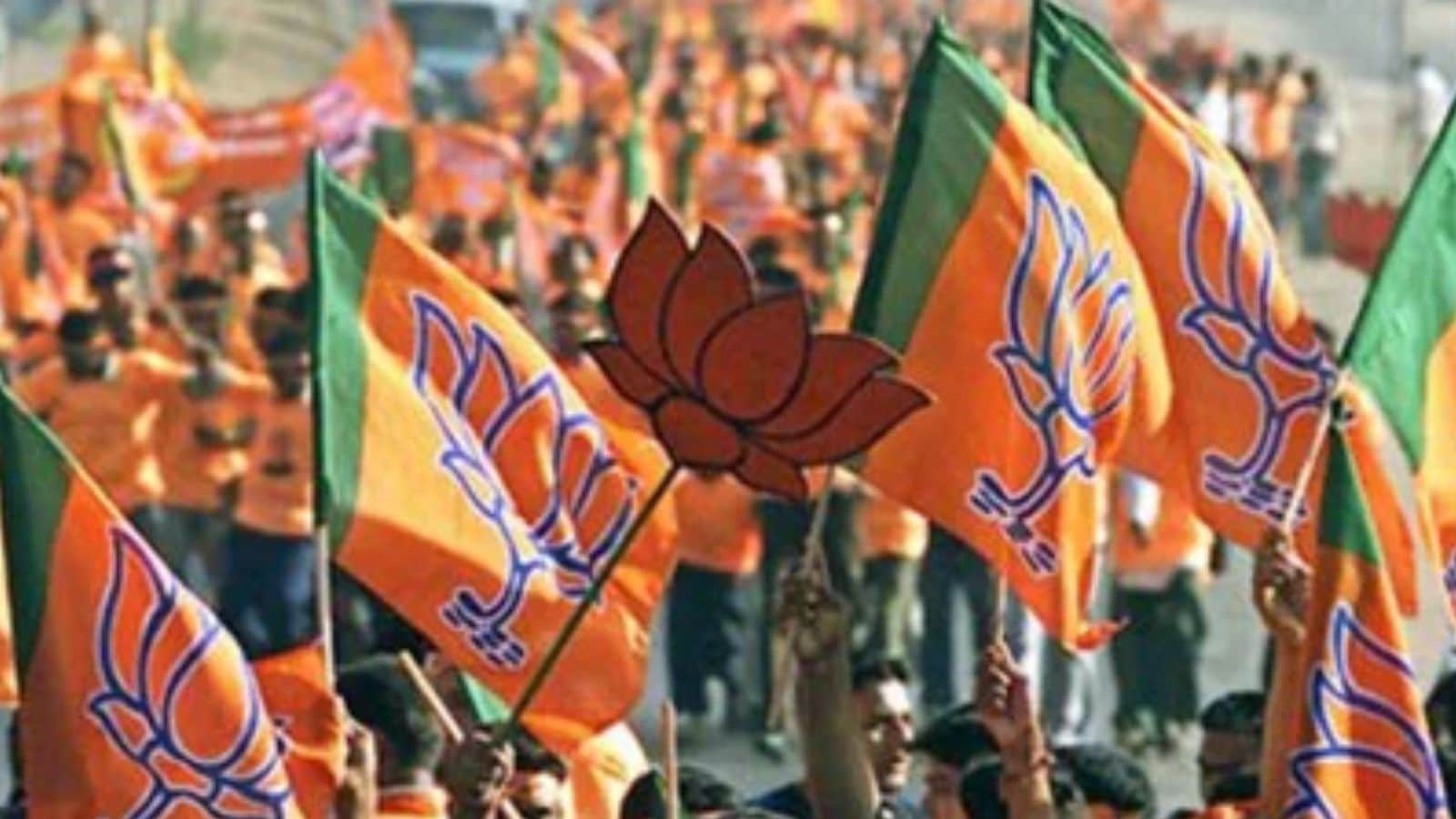
The by-election for six vacant seats in the Devgadh Baria Municipality in Gujarat's Dahod district concluded with a split verdict on Thursday evening, dealing a setback to the Bharatiya Janata Party (BJP). The ruling party at the state level managed to win only two of the six seats, while the Congress and the Aam Aadmi Party (AAP) secured two seats each. The outcome has reshaped the political arithmetic of the civic body, which the BJP had controlled with a majority earlier this year.
The bypoll, held on July 28, was conducted after the Gujarat High Court cleared the way for voting in all six seats, bringing an end to a prolonged legal battle that had involved defections, disqualifications, and political manoeuvring. The vacancies arose following the disqualification of six councillors, triggering a complex legal process that delayed the elections for several months. The court's intervention ensured that the democratic process could finally proceed, allowing voters in the municipality to exercise their franchise.
According to the results declared by the election authorities, the BJP secured two seats, while the Congress and AAP each won two seats. The fractured verdict means that no single party has an outright majority in the 24-member municipal body, though the exact distribution of seats and the balance of power will depend on the support of independents or smaller groups, if any. The BJP, which had won a clear majority in the February 2025 municipal elections, now finds itself in a position where it must negotiate to retain control of the civic body.
The Devgadh Baria bypoll was closely watched as a litmus test of political strength in the tribal-dominated Dahod district, which has historically seen competition between the BJP and Congress. The entry of AAP into the fray added another dimension to the contest, with the party aiming to expand its footprint in Gujarat's local bodies. The result indicates a fragmentation of votes, which political analysts say could reflect local issues and candidate quality rather than broader national or state-level trends.
The legal battle preceding the bypoll was marked by allegations of defections and counter-allegations, with rival factions approaching the Gujarat High Court to resolve disputes over the validity of the vacancies. The court's decision to allow the elections was seen as a victory for democratic processes over procedural delays. However, the months-long uncertainty had left the municipal administration in a state of flux, affecting governance and development work in the town.
In response to the results, BJP leaders expressed disappointment but maintained that the party would work with other elected members to ensure smooth functioning of the municipality. Congress and AAP workers celebrated their gains, with both parties claiming that the public had rejected the BJP's performance. However, with no clear winner, the focus now shifts to the possibility of alliances or cooperation among the elected councillors to form a ruling majority.
The outcome in Devgadh Baria is significant as it underscores the changing political equations in Gujarat's local bodies, where smaller parties and regional players are increasingly making their presence felt. It also highlights the importance of by-elections in recalibrating power dynamics, even in civic bodies. For the BJP, which has dominated Gujarat's electoral landscape for decades, the result serves as a reminder that local issues and candidate selection play a crucial role in determining outcomes.
As the newly elected councillors prepare to take their seats, the focus will be on ensuring stable administration and addressing the developmental needs of Devgadh Baria. The fractured mandate may lead to political uncertainty, but it also presents an opportunity for collaborative governance if parties choose to prioritise public interest over partisan considerations.


