Government Restores Full LPG Supplies to Businesses as Middle East Crisis Eases
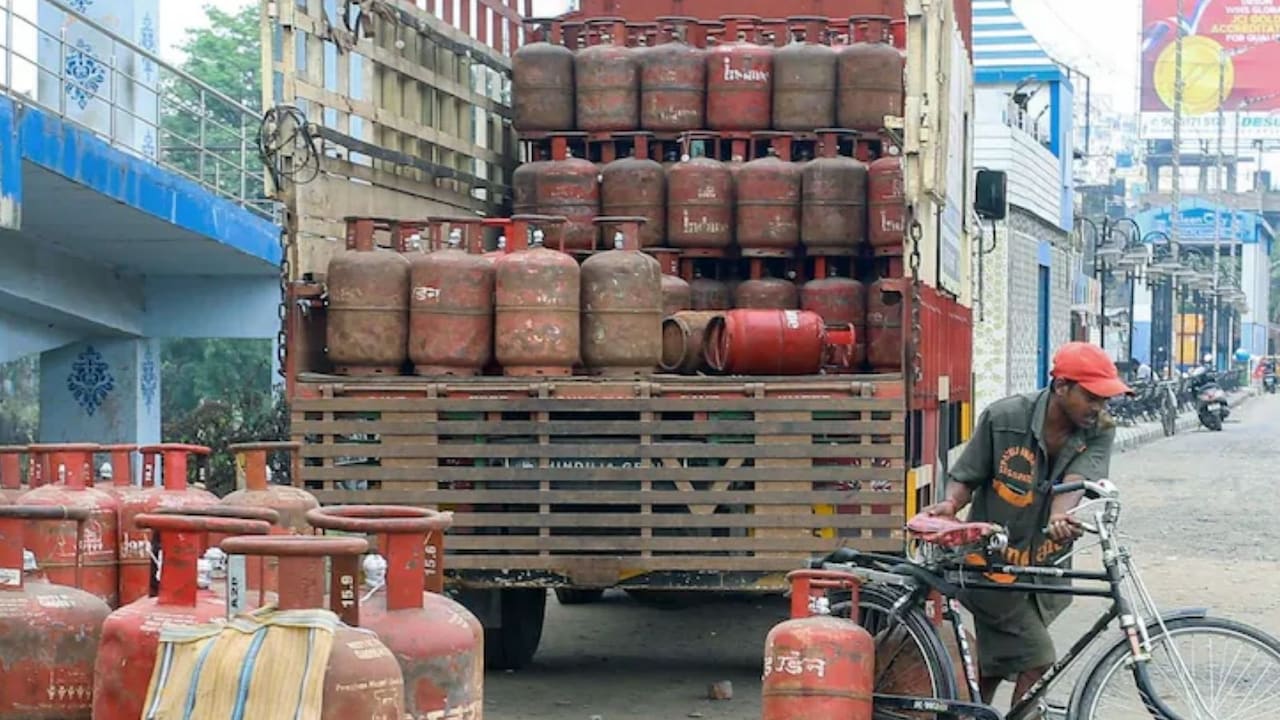
The government on Thursday restored liquefied petroleum gas (LPG) supplies to commercial consumers such as hotels, restaurants and other businesses to pre-crisis levels. It also lifted sector-specific restrictions imposed during the recent Middle East conflict, signalling that energy supply concerns are easing as global markets stabilise.
The Petroleum Ministry said in a statement that restrictions on commercial LPG supplies had been lifted following an improvement in domestic production and the expected arrival of imported LPG cargoes. The supply of bulk LPG, which had been suspended at the onset of the crisis, has also been partially resumed at 50 per cent of pre-crisis consumption levels.
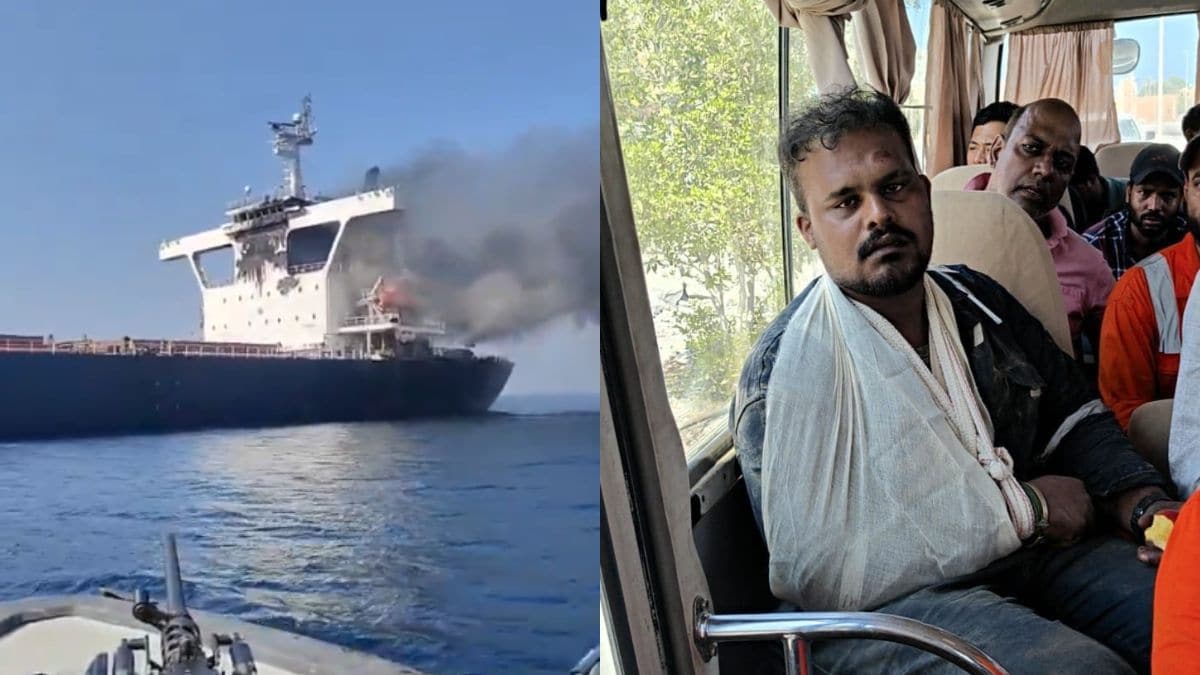
This move marks the latest step by the government to unwind emergency measures introduced during the conflict, when fears of supply disruptions in the Middle East prompted authorities to prioritise household cooking gas availability. The restrictions were imposed after the Iran conflict disrupted LPG supplies from the Middle East, which accounts for about 90 per cent of India's cooking gas imports.
To safeguard household consumption, the government initially halted supplies of commercial LPG to hotels, restaurants and industrial users, diverting available volumes to domestic consumers. Supplies were subsequently restored in phases to about 70 per cent of normal levels, although several sectors continued to face curbs of up to 50 per cent of their usual allocations as authorities sought to conserve fuel stocks amid concerns over import availability. Refineries were ordered to produce more LPG by diverting streams they would otherwise use for petrochemical production.
In a statement, the ministry said: "In a major relief to industrial and commercial LPG consumers, the government has removed all sectoral restrictions on the supply of non-domestic packed LPG and restored supplies to the levels prevailing prior to the West Asia crisis." It added that "the supply of bulk LPG, which had been suspended at the onset of the crisis, has been relaxed by 50 per cent of the pre-crisis consumption levels, providing significant relief to commercial and industrial consumers." The restoration follows the recent improvement in the LPG supply situation.
To boost LPG production during the crisis, the government invoked powers under the Essential Commodities Act to direct that C3 and C4 hydrocarbon streams be used exclusively for LPG production, diverting feedstock away from petrochemical and other industrial uses. This move affected companies like Reliance Industries, which had to cut down their lucrative petrochemical production to boost LPG supplies.
With supply conditions improving, authorities have now decided to reduce the diversion of C3-C4 streams to the LPG pool and restore allocations to petrochemical and other downstream industries, while ensuring domestic LPG production remains above 40,000 tonnes per day. The government said: "Taking note of the improved indigenous LPG production and the projected availability of imported LPG cargoes, the government has also decided to reduce the diversion of C3/C4 streams to the LPG pool. The enhanced allocation of C3-C4 streams for non-LPG uses will be implemented while ensuring that the domestic LPG availability remains unaffected and aggregate indigenous LPG production is maintained at not less than 40,000 tonnes per day."
The Centre of High Technology under the ministry has been directed to issue organisation-wise allocation of these enhanced C3/C4 streams for the petrochemical and other critical sectors and submit regular reports to the ministry.
The decision comes amid broader signs that the energy crisis triggered by the conflict is easing. Crude oil prices have fallen back to pre-war levels, government crisis briefings have been suspended, and fuel supply concerns have receded as shipping and energy flows normalise. The government said uninterrupted LPG supplies to households remain its top priority.