Air India pilot's preliminary dope test 'non-negative'; confirmatory report awaited, says ministry
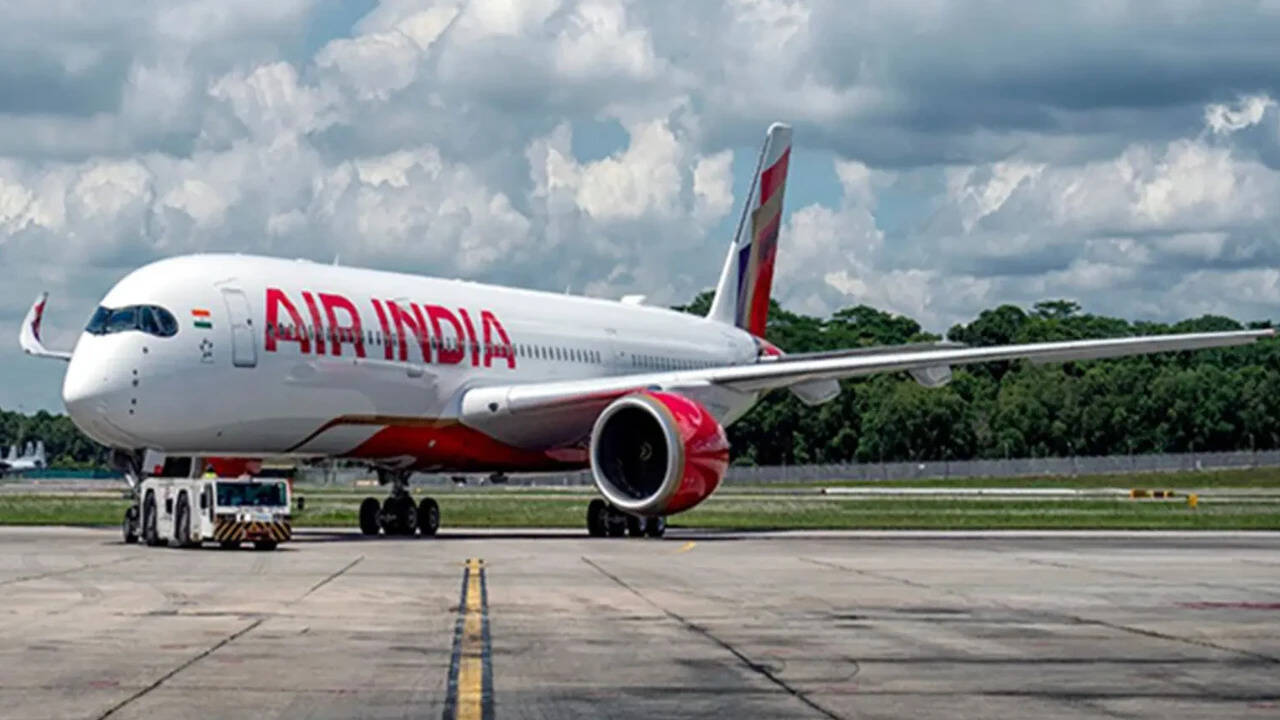
NEW DELHI: The pilot-in-command of Air India flight AI 2379, which experienced a sudden loss of altitude on August 4 while flying from Phuket to Delhi, has given a preliminary psychoactive substance screening result that is "not negative", the aviation ministry said on Sunday. The sample has been sent to a designated laboratory for confirmatory analysis, and the final report is awaited.
The Airbus A320 encountered a sudden altitude drop of about 300 feet during the flight, causing injuries to 17 people, several of whom were hospitalised. The aircraft landed safely in Delhi. The ministry has classified the incident as serious and handed the investigation to the Aircraft Accident Investigation Bureau (AAIB).
Following standard operating procedures after such occurrences, both flight crew members underwent the prescribed psychoactive substance screening test. The screening test for the pilot-in-command indicated a result requiring confirmatory testing, while the other pilot's result was negative. Both pilots have been taken off flying duty by the Directorate General of Civil Aviation (DGCA) pending the investigation.
Under DGCA regulations, if a screening test for psychoactive substances is non-negative, the employee shall be immediately removed from safety-sensitive duty until a confirmatory report is received. In case of a positive confirmatory test for the first time, the employee is referred by the organisation for de-addiction, as per the rules. The ministry said further action would be based on the outcome of the investigation and the confirmatory test results.
It is important to note that a non-negative result on a screening test does not necessarily indicate drug use; it indicates that further testing is needed to rule out or confirm the presence of psychoactive substances. The confirmatory test uses more specific and reliable methods to produce a conclusive result.
The incident has raised questions about crew fitness and safety protocols. The AAIB will examine all aspects, including flight data and cockpit voice recorders, weather conditions, and crew performance. The DGCA has also initiated its own review to ensure compliance with safety standards.
Aviation regulators globally mandate strict drug and alcohol testing for flight crew to ensure passenger safety. These tests are part of routine and post-incident procedures. The decision to ground both pilots immediately reflects the safety-first approach, though no conclusion should be drawn until confirmatory results are available.
Passengers and cabin crew members were injured during the turbulence event, with 17 people hospitalised. The airline has said it is cooperating fully with the investigation and extending support to affected passengers.