Government Defends E20 as Superior Fuel, Says Multiple Petrol Grades Not Feasible
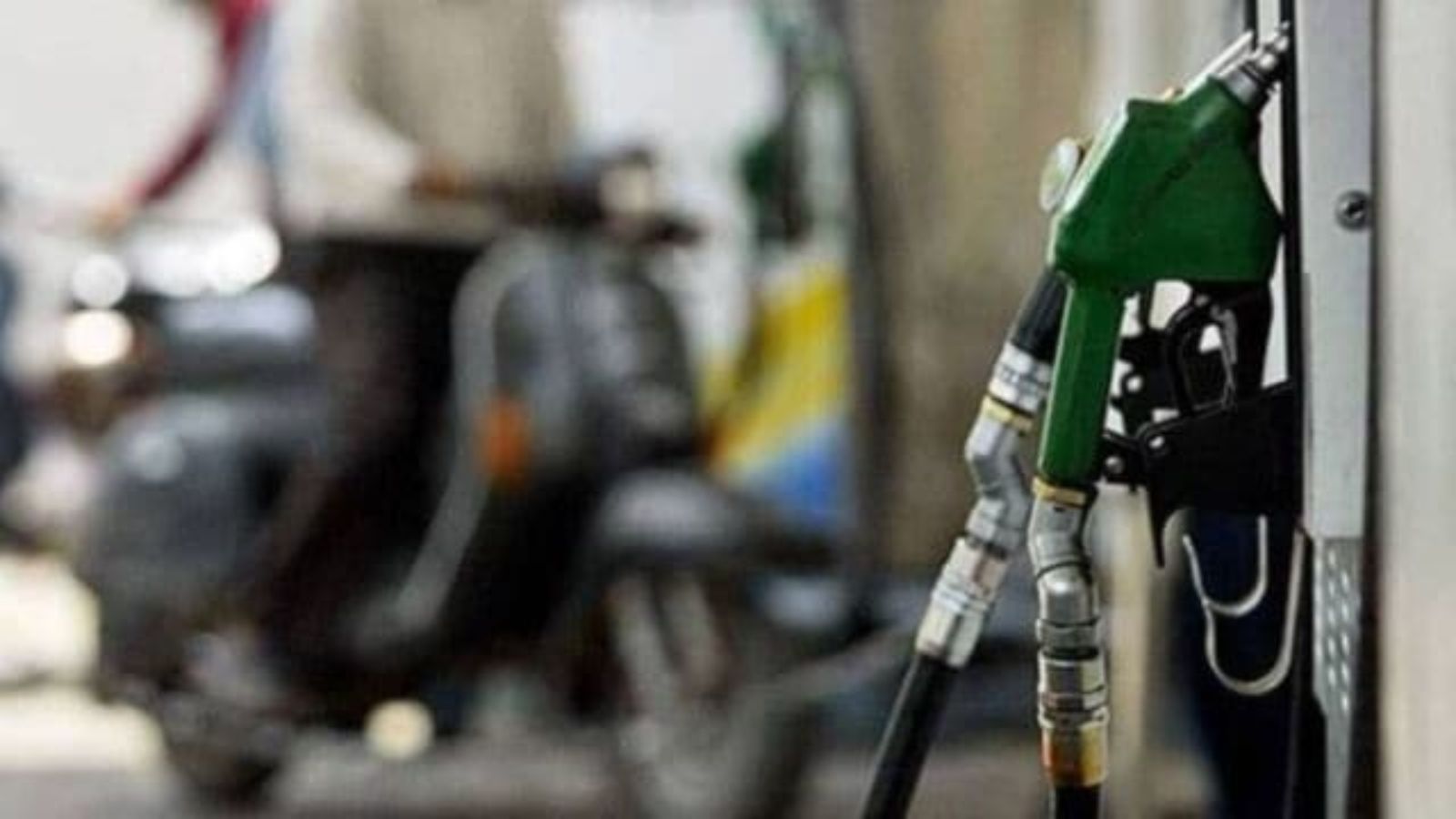
The central government has defended its decision to make E20 — a blend of 80% petrol and 20% ethanol — the standard fuel across India, stating that offering multiple grades of base petrol would create enormous logistical challenges and increase costs. In a detailed note released on Friday, the petroleum ministry addressed public concerns about the lack of choice for consumers between pure petrol, E10, and E20, which is common in some countries.
India achieved 20% ethanol blending in petrol last year, and E20 is now the standard variant at all retail outlets. The move has faced backlash, with complaints of reduced mileage and potential engine damage in older vehicles not designed for higher ethanol blends. The government has countered these claims, stating that the drop in mileage for older vehicles is at most 3–5%, and that E20 offers benefits such as higher octane rating, superior anti-knock properties, better acceleration, and cleaner engine operation. The ministry has consistently rejected assertions that E20 damages engine components.
On the question of why consumers cannot choose between different blends, the ministry said that India's fuel distribution network — comprising over one lakh retail outlets, refineries, terminals, depots, and pipelines — cannot efficiently maintain multiple grades of base petrol. “Maintaining multiple grades of base petrol across this vast supply chain would create an enormous logistical challenge, increase handling costs, complicate inventory management, and reduce operational efficiency,” the ministry stated.
The government also highlighted the massive investments made in ethanol production infrastructure, with public sector banks financing nearly Rs 1 lakh crore per year in recent years. Reverting to a lower blend like E10 would render these investments wasteful and undermine the national policy that encouraged farmers, cooperatives, and entrepreneurs to build capacity. “Public policy must balance consumer interest with energy security, environmental sustainability, farmer welfare, and prudent use of national resources,” the ministry said.
To allay concerns that ethanol blending was rushed, the ministry noted that E20 was introduced only after consultations with automobile manufacturers and extensive testing covering engine durability, material compatibility, emissions, and performance. However, there are indications that the proposed shift to E25 may be delayed due to public backlash, as reported by The Indian Express on Tuesday.
The ministry reiterated that India's ethanol blending programme dates back over two decades, with similar practices in Brazil and the US. It urged consumers to consider the broader benefits of E20, including reduced pollution and support for the agricultural sector, rather than focusing solely on minor mileage differences.