From Everest crevasse to zero military deaths: The story of Tiranga Mountain Rescue
In May 2013, mountaineer Hemant Sachdev fell into a crevasse on the Khumbu Icefall of Mount Everest, one of the most dangerous stretches on the planet. He was suspended by a single rope, bleeding, and certain he would die. A fellow climber, an experienced rescuer, noticed his absence, turned back, and pulled him to safety. The team went on to summit Everest, but the experience left Sachdev with a lasting resolve to prevent such tragedies for others.
Two years later, a news report about soldiers buried in an avalanche at Siachen, the world's highest battlefield, revived that memory. Sachdev realised that if he could be rescued on Everest, why not soldiers serving in similarly perilous conditions? He proposed a civilian mountain rescue foundation for the Indian Army. Initially met with disbelief, he eventually succeeded in founding the Tiranga Mountain Rescue in 2016.
The non-profit now operates 16 teams across India's most sensitive mountain postings, from Siachen to Kargil, Tawang to Gurez, with 48 full-time professional rescuers. According to Sachdev, before the foundation began, the defence forces saw an average of 40-50 non-combat deaths per year due to avalanches, landslides, and ailments. In the last three years, that number has fallen to zero.
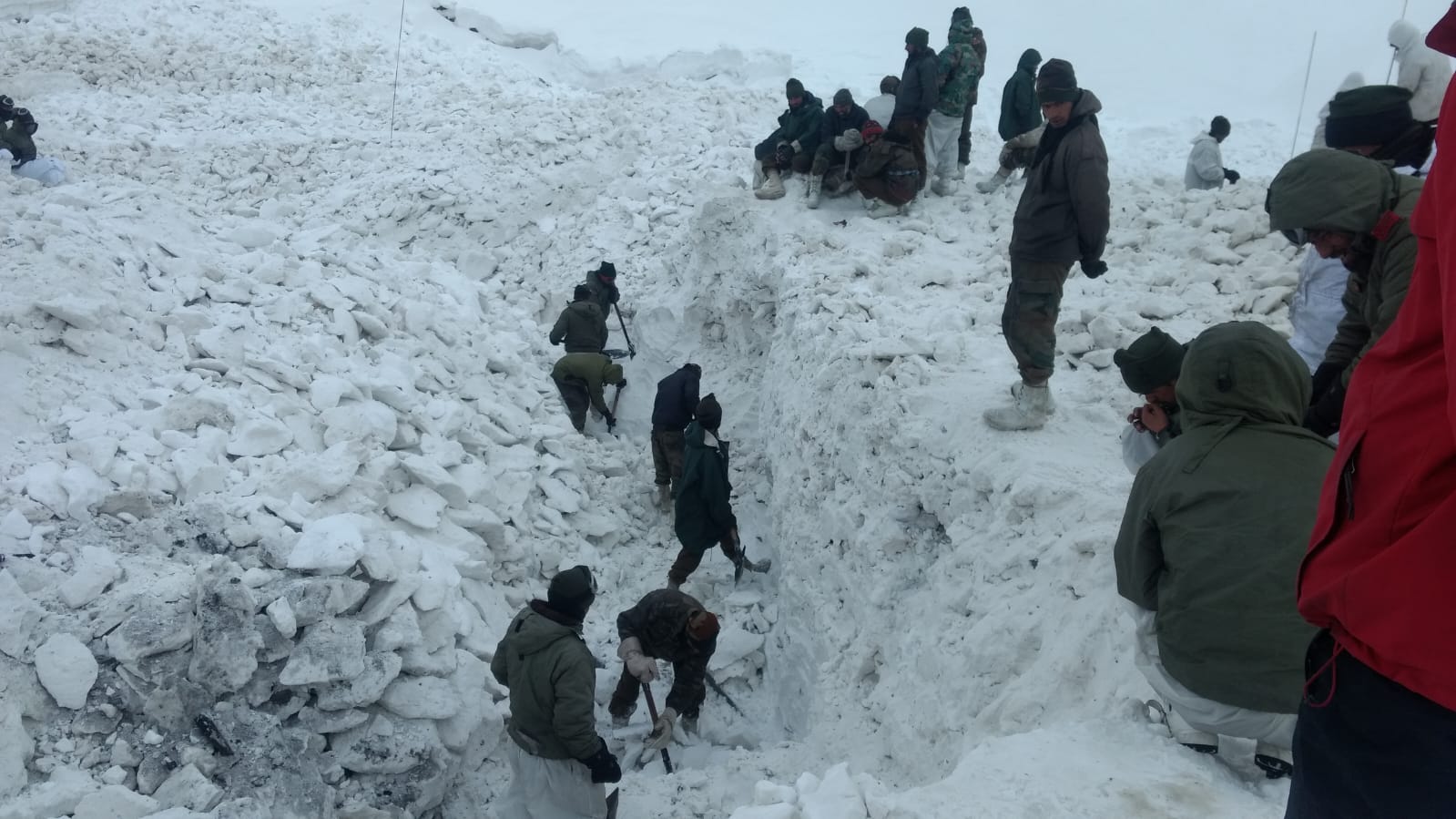
The foundation's work includes both active rescues and preventive measures. Teams have analysed over 400 posts, assessing routes, weather patterns, and disaster risks, while training soldiers in safety protocols. In a 2022 incident in Tawang, seven soldiers buried by an avalanche could not be located for two days. The Tiranga team was called in and found the bodies within hours, providing closure to the unit and families.
In March 2024, the team rescued 12 civilians trapped in vehicles after an avalanche at Zoji La Pass, where seven others had already died. They also assisted in the Wayanad landslide of 2024 and the Uttarakhand glacier burst of 2021. Sachdev's philosophy, born from his own ordeal, remains clear: 'The most dangerous place in the mountains is only as dangerous as your ability to rescue.'







