Europe's Record Heatwave: Climate Change 'Unequivocally' to Blame, Scientists Say
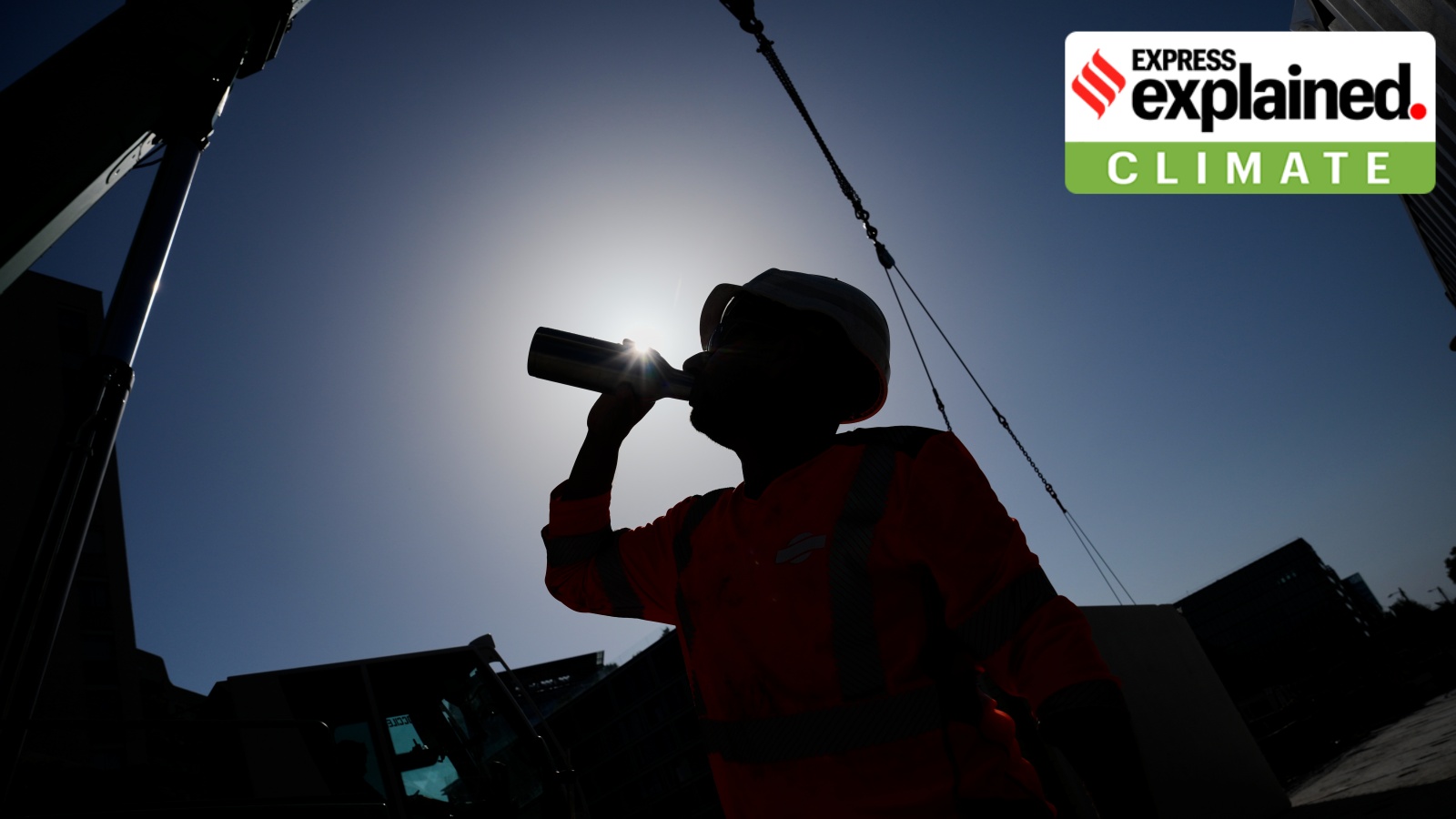
A new study has confirmed that human-induced climate change is the primary driver behind the severe heatwave currently gripping Europe, which scientists describe as the most intense on record for the continent.
The analysis, conducted by World Weather Attribution (WWA), a consortium of researchers specializing in extreme weather attribution, found that climate change made the heatwave 'virtually impossible' to occur in the absence of global warming. The group stated that the daytime highs and overnight temperatures observed would have been nearly unattainable as recently as 1976—just 50 years ago.
This marks the third extreme heat event Europe has faced in five years, following similar episodes in 2022 and 2023. Those previous summers are estimated to have caused over 1,00,000 deaths across the region due to heat-related causes, according to reports cited by WWA.
The current heatwave has seen temperatures soar 10 to 15 degrees Celsius above normal for June in many areas, with records being broken across multiple countries. While the immediate episode is expected to ease slightly from the weekend, experts caution that July—historically Europe's hottest month—could bring further heatwaves, especially as the El Niño phenomenon in the Pacific is forecast to strengthen.
However, the WWA study was categorical in ruling out El Niño as a cause for this specific event. 'The analysis found that the El Niño Southern Oscillation phase had no role in driving the heat,' the study said. Instead, it attributed the extreme temperatures directly to climate change.
The findings underscore the growing influence of climate change on extreme weather. Attribution science, which assesses the likelihood of such events without global warming, has advanced rapidly over the past two decades. The WWA team was able to complete its analysis swiftly, providing near-real-time evidence of climate change's role.
The study also highlighted that nighttime temperatures during the current heatwave are nearly 100 times more likely today than during the 2003 European heatwave, while daytime peaks are about ten times more likely. The 2003 event was previously considered a benchmark for extreme heat in the region.
Experts emphasize that such attribution studies are crucial for understanding the changing risks and for informing adaptation strategies. The findings reinforce the need for robust climate policies to mitigate future impacts.