Elon Musk Becomes World's First Trillionaire After SpaceX IPO Valuation
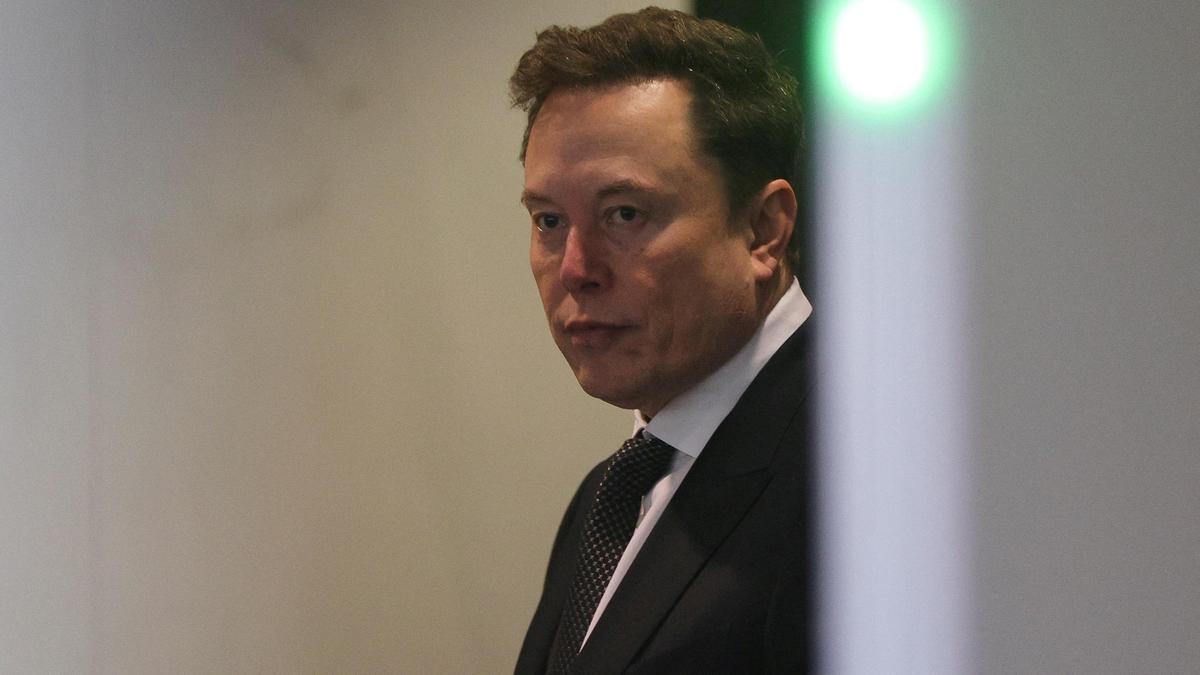
Elon Musk, the CEO of Tesla and SpaceX, has become the world's first trillionaire following the initial public offering (IPO) of SpaceX on June 12. The company's valuation of $2.1 trillion places Musk's net worth above $1 trillion, a milestone that reflects the growing influence of narrative-driven market valuations.
SpaceX's valuation is based on its current rocket launch and satellite internet businesses, as well as expectations of future projects such as interplanetary travel. Analysts note that a significant portion of the valuation is tied to Musk's vision of colonising Mars, a project that remains decades from realisation.
Historically, market valuations have been linked to tangible assets or earnings. However, the SpaceX IPO exemplifies a trend where investor belief in future potential drives valuations, similar to past episodes such as the railway mania of the 19th century or the dot-com bubble. Economists point out that such valuations can create self-fulfilling prophecies if investment and policy align with the narrative.
The rise of narrative capital, where the ability to convince investors of a particular future becomes a productive asset, has implications beyond financial markets. It may shift societal incentives towards belief generation over goods production, according to some observers. This could affect how value is distributed across professions, with nurses and teachers potentially seeing their economic worth stagnate compared to those who can participate in narrative-driven economies.
Political power, too, may increasingly cater to financial scale, as large valuations can influence infrastructure and pensions. This interplay between capital and state highlights the evolving nature of money as a social fiction. While money has long allowed cooperation among strangers, its character is changing from representing scarcity and labour to embodying collective expectations.
The SpaceX IPO underscores these dynamics, marking a moment where the map of financial abstraction appears to overshadow the territory of material production. As such, the event invites reflection on how society defines and values reality in an age of narrative capitalism.