Editors Guild Criticises MEA's Justification for PM Modi's Media Silence
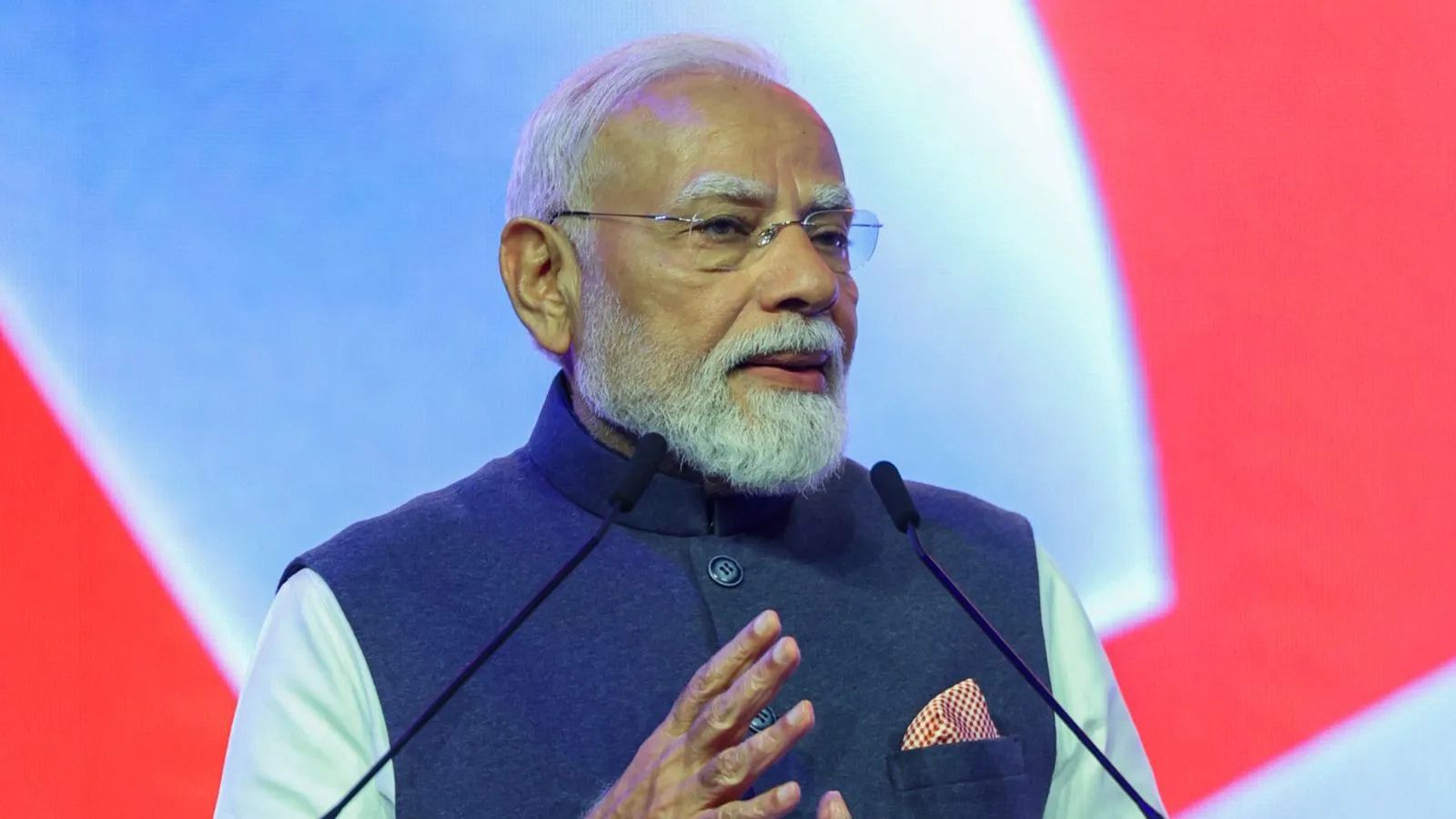
The Editors Guild of India (EGI) has voiced strong criticism over the Ministry of External Affairs (MEA) official's explanation for Prime Minister Narendra Modi's reluctance to engage in unscripted press conferences. In a statement issued on Thursday, the EGI said it 'deplores attempts by a section of MEA officials to explain away Prime Minister Narendra Modi’s unwillingness to address unscripted press conferences at home or abroad by stating that, as a successful politician, Prime Minister Modi prefers to communicate directly with his largely rural electorate.'
The EGI further asserted that this argument is 'deeply flawed,' emphasising that the Prime Minister 'has to routinely answer both his urban and rural people on urgent political and economic issues, especially at a time when the world is mired in an unprecedented energy crisis in the wake of the war.' The reference is to the ongoing conflict in West Asia, which has global economic repercussions.
The Editors Guild, a representative body of senior journalists in India, has consistently advocated for greater transparency and accountability from elected leaders. The statement underscores the importance of direct media engagement as a cornerstone of democratic functioning.
Prime Minister Modi has not held a formal, unscripted press conference in India since coming to power in 2014, preferring instead to communicate through rallies, social media, and carefully controlled interviews. This has been a point of contention among media organisations and opposition parties, who argue that it limits scrutiny of the government's actions.
The MEA official's comments, made during a press briefing earlier this week, suggested that the Prime Minister's communication style is tailored to his rural support base, which may not prioritise traditional media interactions. The EGI countered that such reasoning undermines the role of the press in a democracy, where leaders must answer to all citizens, regardless of geographic or demographic divides.
This development comes amid heightened global tensions and domestic economic challenges, including rising fuel prices and inflation. The EGI's statement calls for a reassessment of the government's media strategy to ensure that the public's right to information is upheld.







