EAC-PM Paper Finds Cash Transfers Boost Women's Spending by 46% in Maharashtra
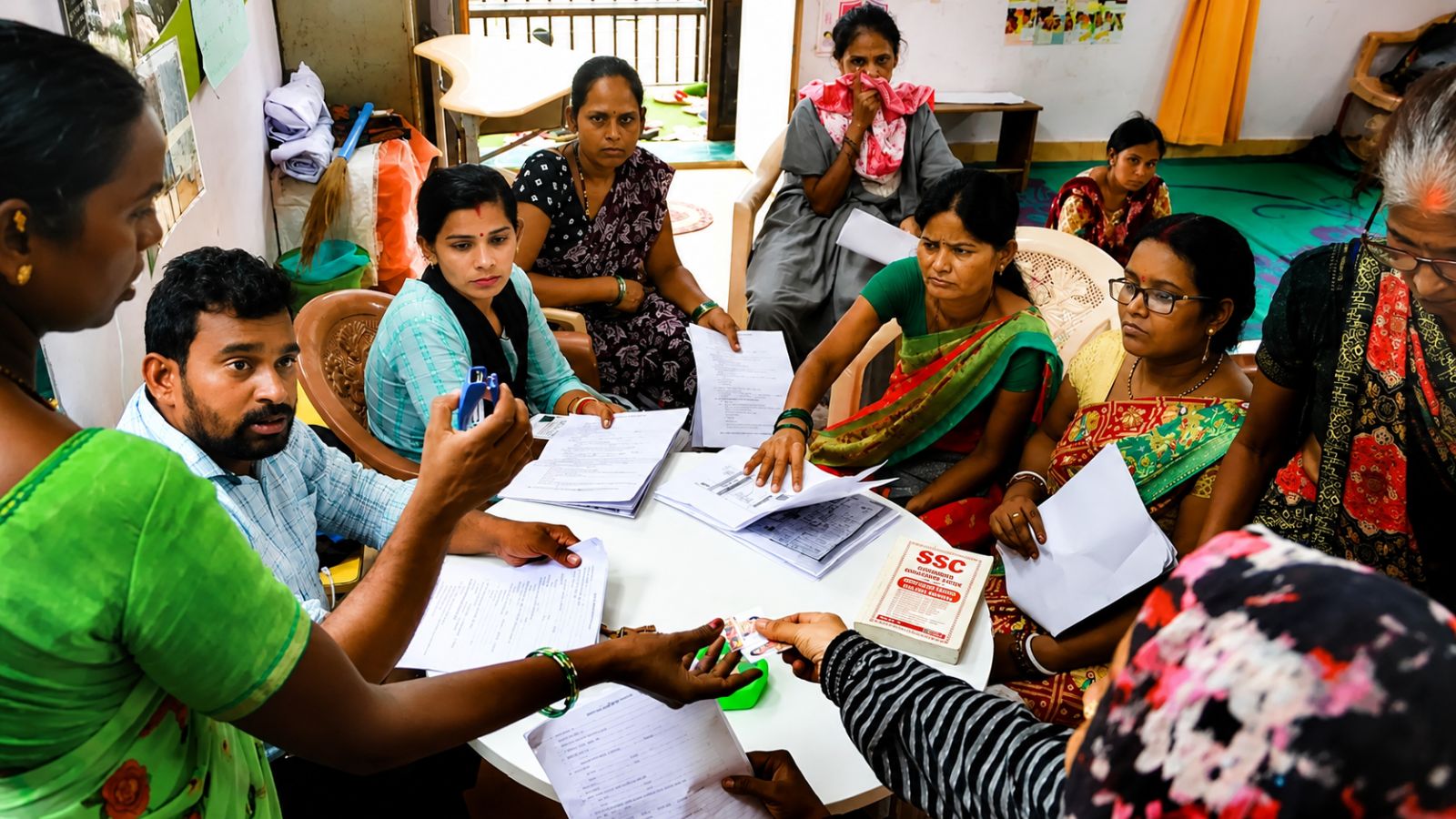
A paper by a member of the Economic Advisory Council to the Prime Minister (EAC-PM) has recommended the continuation of cash transfer schemes for women in Maharashtra and Odisha, with periodic adjustments for inflation and household spending patterns. The study found that the schemes increased beneficiary spending by up to 46% in Maharashtra and 28% in Odisha, with funds directed toward lifestyle, medical, and educational needs.
The paper, titled 'Unconditional Women Cash Transfer Programmes in India: Evidence from Maharashtra and Odisha', was authored by Soumya Kanti Ghosh, a part-time member of the EAC-PM and Group Chief Economic Advisor at State Bank of India, along with economist Shagishna K. It analysed account-level monthly data for Maharashtra's Mukhyamantri Majhi Ladki Bahin Yojana (monthly transfer of Rs 1,500) and Odisha's Subhadra Yojana (biannual instalments totalling Rs 10,000 per year).
Key findings include that for every Rs 100 transferred, Rs 90 was spent. Older women tended to save more, while less educated women showed a greater propensity to spend on education. The paper also noted positive spillover effects on household finances, with a 10% rise in women's account balances in Odisha associated with a 1.9% decline in relatives' spending, and in Maharashtra, a 23% jump in relatives' month-end balances and a 49% fall in their spending.
The authors advocate for sustaining the programmes and evolving them into 'cash-plus' architectures that include voluntary capacity-building, digital literacy, and self-help group linkages. They recommend periodic review of transfer amounts to ensure adequacy amid inflation and changing expenditure patterns.
The paper comes amid concerns about state government debt levels. PRS Legislative Research estimated in October 2025 that 12 states would spend Rs 1.68 lakh crore on unconditional cash transfers to women in 2025-26. The Reserve Bank of India has called on states to reduce their debt, noting that high debt can hinder investment and growth. The EAC-PM paper suggests that efficiency gains from improved targeting could fund enhanced benefits and complementary services.







