E20 Fuel Hits Indian Roads: What It Means for Your Car and Future E85 Plans
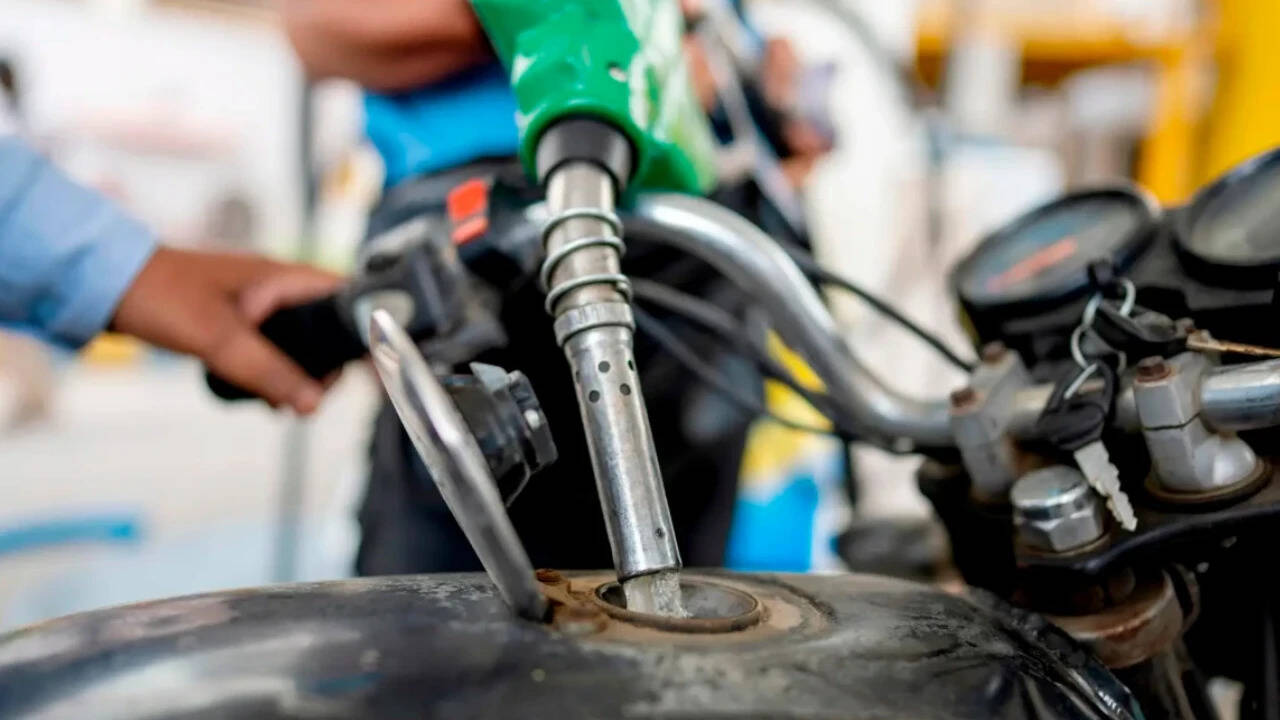
The Indian government’s push for ethanol-blended petrol has taken a significant step forward with the rollout of E20 fuel—a mixture of 20% ethanol and 80% petrol. While officials tout the move as a stride toward energy independence and reduced emissions, many motorists are left with questions about how this change affects their vehicles and what lies ahead with higher blends like E85.
Ethanol blending is not new in India. The country has been using E10 (10% ethanol) for years, and the target is to achieve 20% blending by 2025. The rationale is clear: ethanol, produced from sugarcane and other biomass, reduces dependence on imported crude oil and cuts carbon emissions. However, the transition to E20 has sparked debate among car owners, especially those with older models.
The most immediate concern for drivers is fuel efficiency. Ethanol contains less energy per litre than petrol, meaning a car running on E20 will typically deliver lower mileage—about 6-7% less than with pure petrol. For the average commuter, this translates to more frequent trips to the pump. A 2021 study by the Indian Institute of Petroleum found that while E20 reduces tailpipe emissions of carbon monoxide and hydrocarbons, it can increase fuel consumption by up to 6% in conventional engines.
Older vehicles, particularly those manufactured before 2009, may face additional issues. Components such as rubber seals, gaskets, and fuel lines that were not designed for ethanol’s corrosive properties can degrade over time. The Society of Indian Automobile Manufacturers (SIAM) has advised owners of pre-2009 cars to check compatibility. For newer models, automakers have confirmed that engines are E20-compliant, and many have been producing flex-fuel vehicles that can handle higher blends.
Automakers emphasise that E20 is safe for modern cars. Tests conducted by the Automotive Research Association of India (ARAI) show no significant impact on engine durability or performance when using E20 in vehicles designed for it. However, the controversy intensifies as the government eyes E25 or even E85 for larger vehicles. E25, with 25% ethanol, requires more robust engine modifications, and E85—85% ethanol—is strictly for flex-fuel vehicles only. Regular petrol cars cannot use E85 without extensive retrofitting.
Petroleum Minister Hardeep Singh Puri recently inaugurated an E85 pump in Delhi, signalling plans to expand the infrastructure. But widespread adoption faces hurdles: E85 pumps are scarce, and the fuel’s lower energy density means even greater fuel consumption—potentially 30% less mileage than petrol. Moreover, the cost of producing ethanol and the balance between food and fuel crops remains a point of contention.
So can motorists choose their fuel? Currently, petrol stations offer both regular petrol and E20, with E10 still available in some areas. The government is not mandating E20 immediately, but the gradual phase-out of higher ethanol content is inevitable. For now, drivers are advised to check their owner’s manual and use the recommended blend. The push for ethanol is part of a larger strategy to reduce India’s oil import bill, which stood at over $100 billion in 2022-23. Supporters argue that ethanol also provides income to farmers and cleaner air, but critics question the efficiency and environmental impact of large-scale ethanol production.
As the fuel landscape evolves, one thing is clear: the debate over ethanol blending is far from over. Future steps will depend on infrastructure, vehicle compatibility, and consumer acceptance. The government has set a target of 20% blending by 2025, and with E20 now rolling out, the road ahead for E85 remains uncertain.







