E20 Fuel: Carmakers Confirm No Engine Damage, Acknowledge Mileage Drop
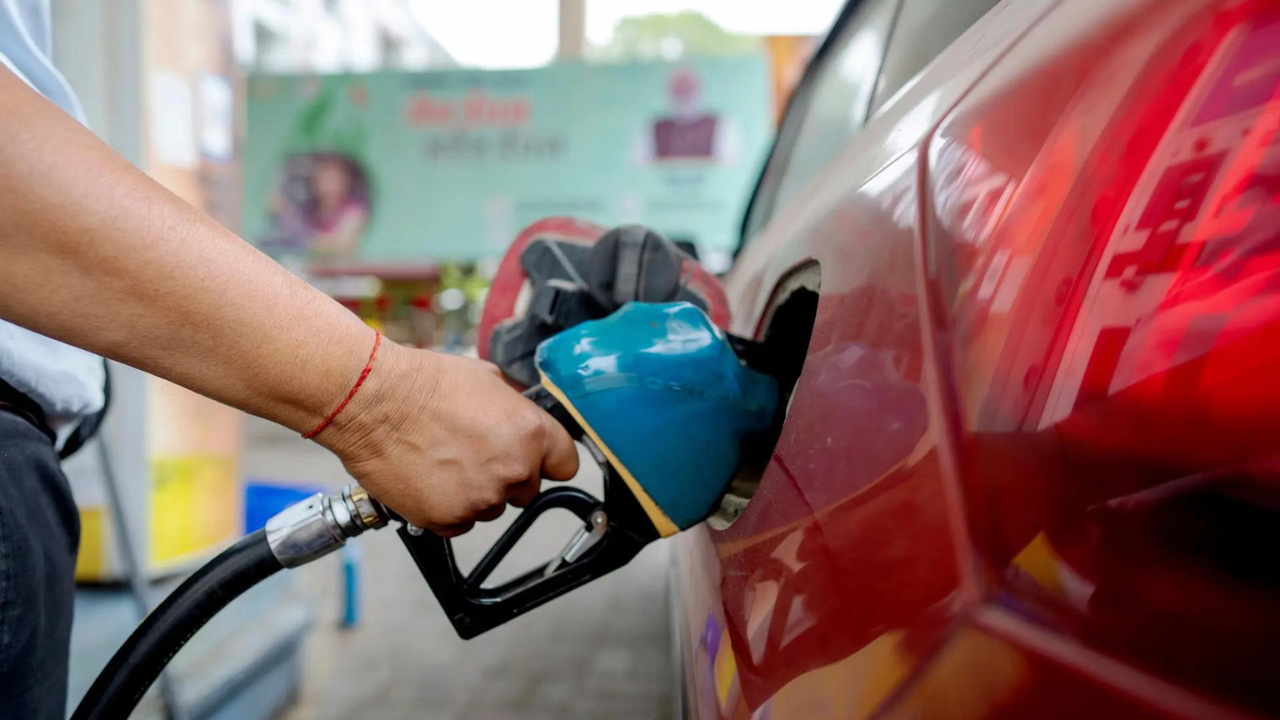
Vehicle manufacturers in India have come out in support of the government's mandatory 20% ethanol blending in petrol, known as E20, assuring the public that no engine damage has been observed in vehicles using the new fuel blend. The industry leaders, however, acknowledge a slight drop in fuel efficiency for older vehicles, attributed to the lower calorific value of ethanol compared to pure petrol.
The government's E20 mandate, aimed at reducing oil imports and cutting carbon emissions, requires all petrol sold in India to contain 20% ethanol by 2025. Carmakers have been testing their vehicles with the blend and report positive field experience. They emphasize that modern engines are designed to handle up to 20% ethanol without any adverse effects on durability or performance.
For older vehicles, the story is slightly different. Ethanol has about 33% less energy per litre than petrol, leading to a marginal drop in fuel economy — typically between 3% and 5%. Carmakers note that this is within acceptable limits and that drivers may not notice a significant change in day-to-day usage. They caution, however, that vehicles not designed for E20 should avoid prolonged use of the blend until retrofitting or replacement options are available.
Discussions are ongoing between the automotive industry and the government regarding flex-fuel vehicles, which can run on any ethanol-petrol mixture up to 85% ethanol. These vehicles, common in Brazil and the United States, offer greater flexibility and could help India achieve its ethanol blending targets more smoothly. Carmakers are exploring the feasibility of introducing flex-fuel models in the Indian market, but challenges such as cost, infrastructure, and consumer acceptance remain.
The industry's stance is a significant vote of confidence in the government's policy, which has faced skepticism from some quarters. By presenting data from extensive field trials, carmakers aim to dispel fears about engine damage and reassure consumers that E20 is a safe and viable step toward a greener future.







